
Is Diet Coke Healthy? Sugar, Sweeteners, Teeth and Caffeine
Diet Coke has almost no sugar, but it is still an acidic soft drink. What the swap does, what it does not, and how to keep it occasional.
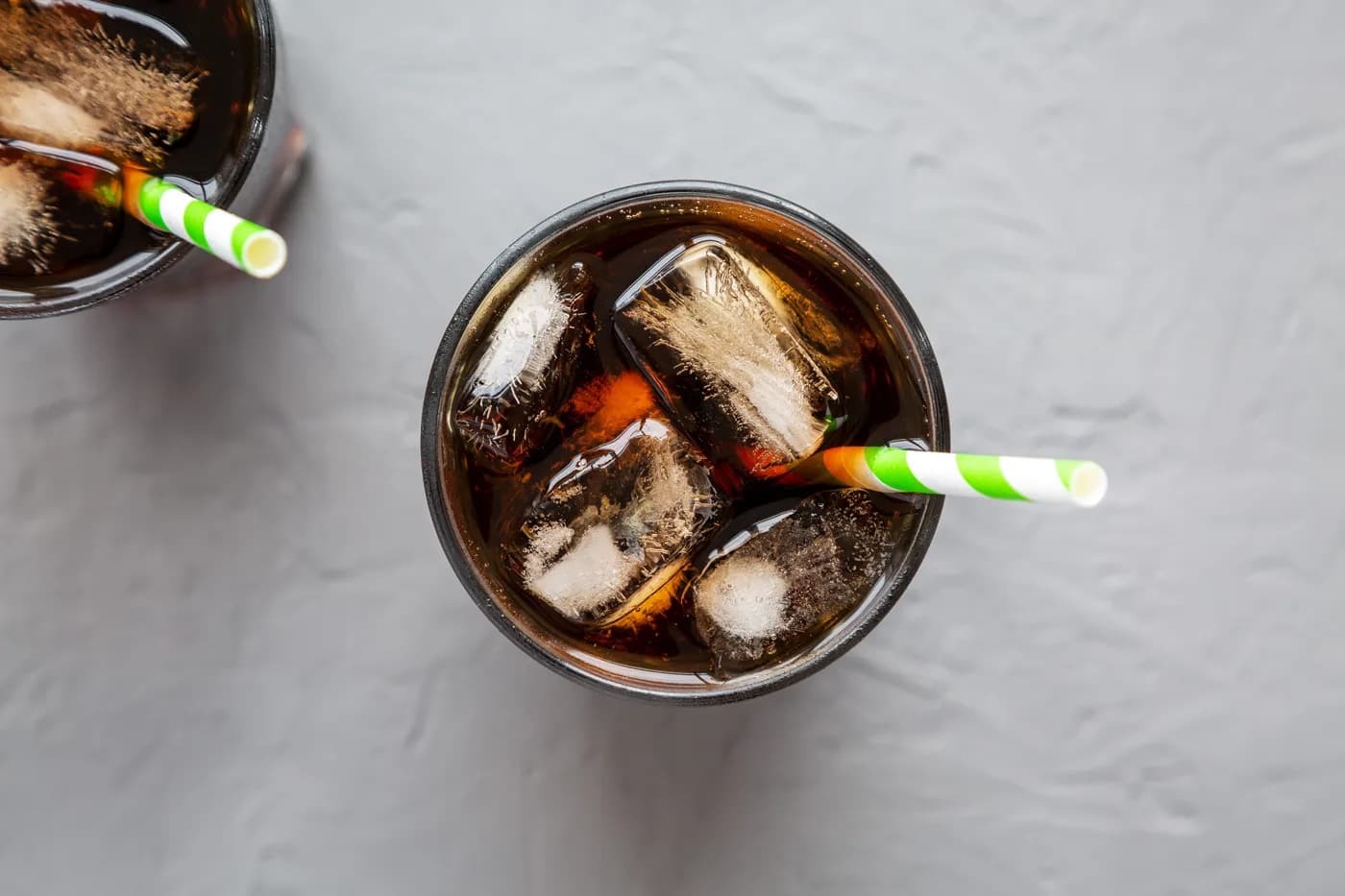
Key Takeaways
- Swapping regular cola for diet cola cuts that drink's sugar and calories.
- WHO advises against relying on non-sugar sweeteners for long-term weight control.
- Diet cola is acidic: sipping it for hours exposes teeth to more erosion.
- NHS puts a can of cola at about 40 mg caffeine; the pregnancy limit is 200 mg a day.
- People with phenylketonuria must avoid or restrict aspartame.
Diet Coke has little or no sugar and very few calories. If it replaces regular cola, it reduces the sugar and calories from that drink. It is still an acidic soft drink that offers almost no nutrition. You can have it if you enjoy it, but it is not needed for weight loss or hydration.
What is in a diet cola?
A typical diet cola contains carbonated water, acids, colour, flavour and low-calorie sweeteners. Many versions also contain caffeine. The recipe varies by product and country, so a caffeine-free can may feel different from your usual drink.
The key difference from regular cola is sugar. A regular soft drink adds sugar and calories; a diet version uses sweeteners for a similar taste with little or no sugar. If you regularly drink sugary cola, replacing some of it with a diet version lowers your sugar intake. The swap is the benefit, not a special fat-burning property. For a wider look at sweeteners, see our guide to sugar substitutes.
Approved sweeteners have safety limits based on scientific review. The US FDA considers aspartame safe for the general population at permitted levels. People with phenylketonuria (PKU), a rare inherited condition, should avoid or restrict aspartame because they cannot process phenylalanine, one of its components.
A diet drink brings no protein, fibre or meaningful amounts of the nutrients you get from food. It can sit alongside a meal, but it should not replace a meal or become your main source of fluid.
Will it help with weight management?
It depends on what it replaces. If you switch from two regular colas a day to two diet colas and keep the rest of your routine similar, you remove the sugar and calories that were in those drinks. If you simply add a diet cola to a meal you would have eaten anyway, there is no saving.
The WHO advises against using non-sugar sweeteners as a way to control body weight over the long term. Regular meals, water, movement and your overall food pattern matter far more than which sweetener is in your drink. For someone moving away from several sugary drinks a day, diet cola can be a convenient stepping stone; chilled water, unsweetened tea or lemon water are other options. Our tips on reducing sugar cravings can help with that transition.
If you have diabetes, a diet cola avoids the sugar of regular cola, but it does not make the meal carbohydrate-free. The rice, bread or dessert you have with it still counts.
What about your teeth?
Diet cola is acidic even when it contains no sugar. The American Dental Association lists diet sodas among the acidic drinks that can contribute to enamel erosion, especially when they are consumed often. The pattern of exposure matters more than a single can with lunch.
- Finish the drink within a normal period rather than nursing a bottle for hours.
- Rinse your mouth with plain water afterwards instead of brushing straight away.
- Keep brushing twice a day with fluoride toothpaste.
If your teeth are sensitive, a dentist can check whether erosion is part of the problem.
Does the caffeine matter?
Some diet colas contain caffeine and some do not. Caffeine late in the day can make sleep harder, and some people feel jittery or notice palpitations. If that sounds familiar, have it earlier or choose a caffeine-free version. Our guide to caffeine side effects explains how to judge your own limit.
During pregnancy, the NHS advises no more than 200 mg of caffeine a day and estimates a can of cola at about 40 mg. Count cola together with tea, coffee and other sources.
The bubbles can also cause burping or a bloated feeling in some people, while others have no trouble. Your own comfort is a better guide than a blanket claim that carbonation harms everyone's gut.
How to decide whether to keep it
Ask what role the drink plays in your day. Is it replacing a sugary drink, giving you caffeine, or something you reach for when thirsty? If you are thirsty, water is the easy first choice. If you want the taste, an occasional diet cola can be just that.
If you have several cans a day, change one serving first: keep the one you enjoy most and swap another for water. This is easier to stick with than a sweeping ban.
Editorial sources
Frequently Asked Questions
Related Articles

Sugar Substitutes: Types, Uses and Safety
Sugar substitutes include intense sweeteners, sugar alcohols and low-energy sugars. Compare the main types and how to choose one sensibly.


Caffeine Side Effects: How Much Is Too Much for You?
Caffeine comes from far more than coffee. See how total daily intake, timing and sensitivity shape jitters, sleep loss and other side effects.

How to Reduce Sugar Cravings: Why They Happen and What Helps
Sugar cravings are rarely just about willpower — they’re usually your body responding to blood sugar swings, poor sleep, or stress. See what actually.


Natural Sweeteners: What the Label Really Means
"Natural" on a sweetener label does not mean low sugar. See how honey, jaggery, coconut sugar, stevia and monk fruit really compare.