
Sorbitol: Uses, Digestive Effects and Label Reading
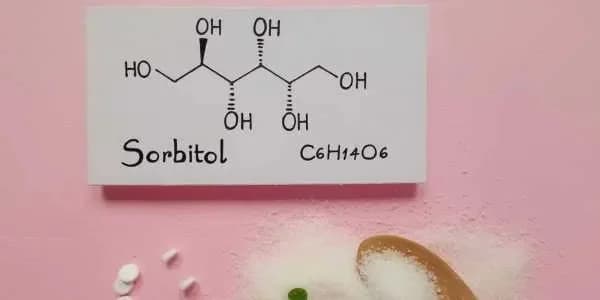
Sorbitol is a sugar alcohol used in sugar-free foods, medicines and dental products, but larger amounts commonly cause gas or loose stools.
Key Takeaways
- Sorbitol (E420) is a polyol with fewer calories than sugar, not a calorie-free sweetener.
- Its laxative effect is dose-dependent, and several sugar-free products can add up.
- Sugar-free does not mean carbohydrate-free; people with diabetes should check the whole product.
- People with IBS may be especially sensitive; low-FODMAP plans restrict polyols at first.
Sorbitol is a sugar alcohol used in sugar-free foods, medicines and dental products. It provides fewer calories than sugar and does not promote tooth decay in the same way, but larger amounts commonly cause gas or loose stools.
Where sorbitol appears
Sorbitol occurs naturally in some fruit and is manufactured for chewing gum, sweets, toothpaste, syrups and tablets. Several products consumed together can create a larger total than the label of any single item suggests. A few pieces of sugar-free gum, a "diabetic" sweet and a cough syrup on the same day can add up without anyone noticing.
Why it is used
It retains moisture, adds sweetness and provides texture, which helps keep baked goods and sweets soft. Because oral bacteria use it less readily than sugar, it is common in dental products, although brushing and fluoride remain essential.
Blood glucose still needs context
Sorbitol generally causes a smaller glucose rise than the same amount of sugar, but "sugar-free" does not mean carbohydrate-free. Flour, starch, milk solids and other sweeteners in the product still count. For people managing diabetes, the nutrition panel and portion size matter more than the front-of-pack claim.
Gas and diarrhoea
Sorbitol is incompletely absorbed in the small intestine. The remainder draws water into the bowel and is fermented by gut bacteria, which can produce bloating, cramps, urgency and loose stools. The effect is dose-dependent and varies from person to person, so one person may tolerate an amount that troubles another.
IBS and the low-FODMAP context
Sorbitol is a polyol, one of the groups restricted during the structured elimination phase of a low-FODMAP approach for irritable bowel syndrome. That diet is designed to reintroduce foods later and test tolerance, rather than to create permanent avoidance. It works best with guidance from a dietitian.
Children and accidental excess
Sugar-free sweets and liquid medicines can deliver meaningful amounts to children because of their smaller body size. Keep medicines secured, give them only as directed and do not use confectionery as a laxative remedy.
Fruit does not need blanket avoidance
Apples, pears, stone fruit and some dried fruits naturally contain sorbitol, but whole fruit also supplies fibre and nutrients. Symptoms and portions should guide decisions rather than one universal list. Someone who reacts to a large pear may manage a smaller portion, or a different fruit, perfectly well.
Reading ingredient labels
Look for sorbitol or the additive number E420, and check for other polyols such as xylitol, maltitol or mannitol, which can have similar effects. Products may carry a warning that excessive consumption can have a laxative effect. Note the serving size too, because the total eaten matters more than whether the ingredient is present.
Sorbitol in medicines
Syrups, lozenges and chewable products may use sorbitol as an inactive ingredient. People with persistent diarrhoea should review all their medicines with a pharmacist instead of stopping treatment on their own.
Finding a personal threshold
Reduce one source at a time and observe whether symptoms change. Keeping a short food and symptom diary for a week or two can make patterns clearer. Severe pain, dehydration, blood in the stools, unexplained weight loss or ongoing diarrhoea requires medical assessment rather than further experimenting with sorbitol.
Editorial sources
Frequently Asked Questions
Related Articles
What Is Maltodextrin? Uses, Blood Sugar and Safety
Maltodextrin is a rapidly digested carbohydrate made by partially breaking down starch from corn, rice, potato, wheat or another source.


Stevia: Benefits, Uses & Ayurvedic Properties
Stevia (Madhupatra) is a natural, calorie-free sweetener with powerful Ayurvedic benefits for blood sugar regulation, weight management, liver health.


Jaggery vs Sugar: Which Sweetener Is Actually Healthier?
Jaggery is often seen as the natural, guilt-free option, but nutritionally that’s only partly true — both are concentrated carbohydrates that affect.