
Star Fruit Benefits: Uses and Kidney Safety
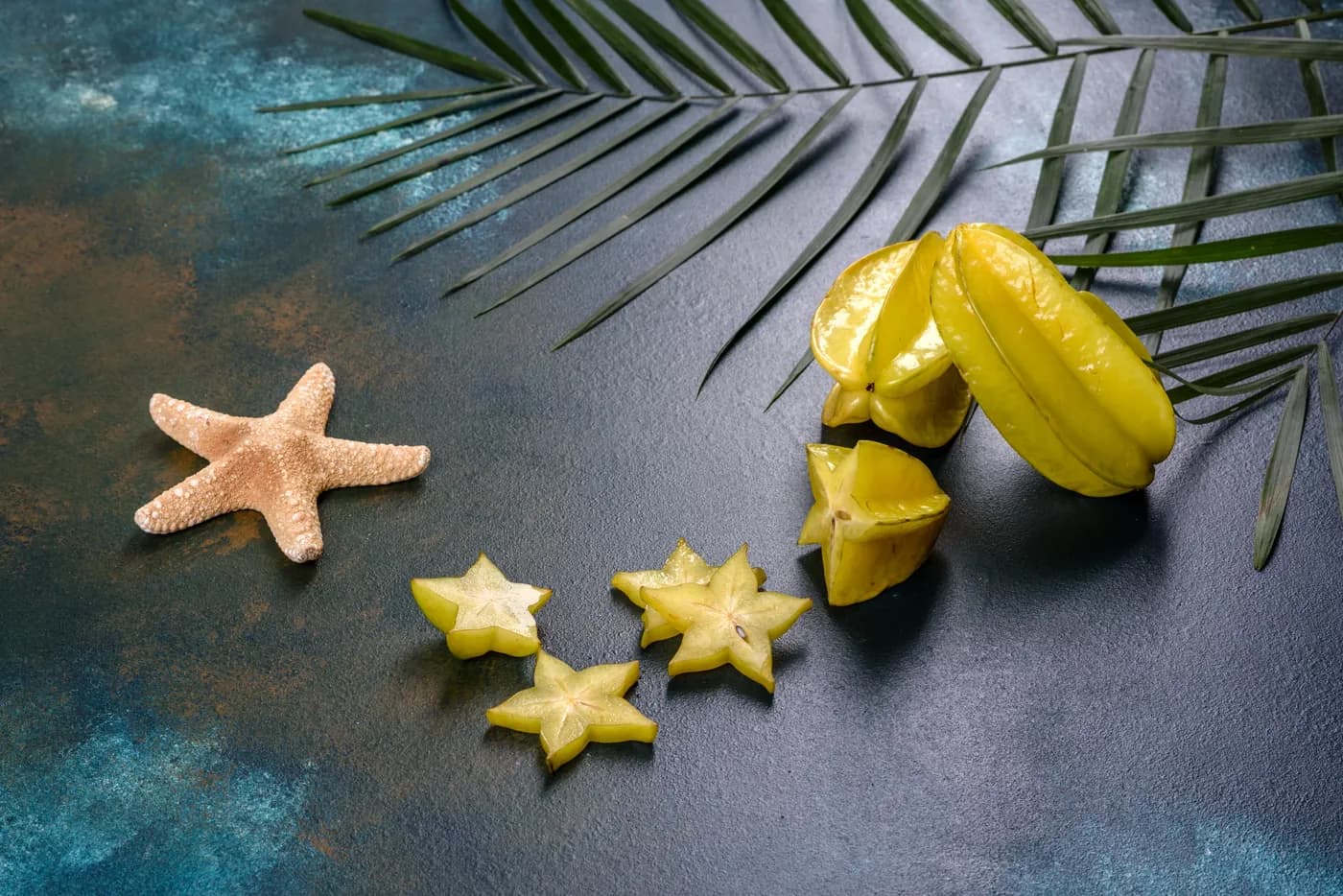
Star fruit, or carambola, is a crisp tropical fruit with ridged sides that form stars when sliced. It ranges from sharply sour to mildly sweet.
Key Takeaways
- Star fruit, or carambola, is a crisp sweet-tart fruit that provides water, vitamin C and fibre.
- Eat ripe slices fresh, add them to fruit chaat or salads, or cook sour fruit into chutney.
- People with kidney disease should avoid star fruit in every form because of its toxin caramboxin.
- Hiccups, vomiting or confusion after eating it need urgent medical care if kidney function is poor.
Star fruit, or carambola, is a crisp tropical fruit with ridged sides that form stars when sliced. It ranges from sharply sour to mildly sweet. This guide covers what it provides, how to use it and the kidney warning every reader should know before enjoying star fruit benefits.
What star fruit provides
Star fruit, known in Hindi as kamrakh, has a crisp, juicy texture and a sweet-tart taste. It provides water, vitamin C, fibre and several plant compounds while remaining relatively low in energy. It can be sliced into salads, eaten fresh or used as a garnish.
People with kidney disease should avoid it because compounds in star fruit can cause serious neurological effects when the kidneys cannot clear them properly. This warning is covered in detail below.
Sweet and sour varieties
Varieties range from small, sharply sour fruit to larger, sweeter types. Sour fruit is usually better cooked into chutney or pickle, while sweet, fully ripe fruit is pleasant eaten raw. Star fruit also contains oxalic acid, and sour varieties tend to contain more of it, which is another reason to keep portions moderate and avoid large amounts of concentrated juice.
Possible star fruit benefits
- Vitamin C, fibre and water in a relatively low-energy fruit.
- Variety in the fruit bowl, which helps a diet include a wider range of plant compounds.
- Acidity and visual appeal that can brighten salads, chaat and plates without added sugar.
These star fruit benefits are those of a fruit eaten as part of a varied diet. Star fruit is not a treatment for any condition.
Fresh star fruit, juice and preserves
Star fruit is usually eaten fresh, but it also appears in juice, dried slices, chutney and preserves. Juice contains less fibre and makes it easy to consume far more fruit than you would eat whole, while preserves can add considerable sugar. The kidney warning applies to carambola in every form, so processing does not make it safe for someone with kidney disease.
How to cut and serve it
Choose fruit that is firm, glossy and mostly yellow; a little green on the ridges is fine, but avoid fruit with large brown, soft or bruised areas. Wash it under running water, trim the thin brown edge along each ridge and cut off both ends. Slice it crosswise into stars and remove any seeds. The skin is thin and edible, so peeling is not needed.
Using carambola in Indian food
Ripe slices work well in fruit chaat with a pinch of chaat masala, black salt and lemon. Sour kamrakh is traditionally used in chutneys and pickles, where its sharpness balances spices. Thin slices can also brighten a cucumber or sprout salad, or be added to a fruit platter. Start with a small amount when trying it for the first time, as its tartness can surprise people used to sweeter fruit.
The kidney warning that matters
People with kidney disease, including those on dialysis, should avoid star fruit and its juice completely. Star fruit contains a neurotoxin called caramboxin, which healthy kidneys can clear but damaged kidneys cannot. When it builds up, it can cause persistent hiccups, vomiting, weakness, confusion and seizures, and severe cases can be life-threatening. Anyone with reduced kidney function who develops these symptoms after eating star fruit needs urgent medical care.
Its oxalate content also matters. Case reports have linked large amounts of sour star fruit or its juice, particularly on an empty stomach, to kidney injury, including in some people without known kidney disease. A few slices as part of a meal is a very different exposure from drinking several glasses of juice.
Allergy to star fruit is possible, as with any fruit. If you have kidney problems, a history of kidney stones or take regular medicines, ask your doctor before including it.
Buying and storing
Firm, slightly underripe fruit will ripen at room temperature over a few days. Once ripe, store it in the fridge and eat it within a few days. Keep cut fruit covered in the fridge and use it the same or next day.
How it fits a balanced routine
For healthy adults, star fruit is an occasional fruit to enjoy for its crunch and colour, alongside a wide range of other fruits and vegetables. It does not need to be eaten daily. Most star fruit benefits come from whole fruit in moderate portions, so prefer slices over juice, and skip it entirely if your kidney function is reduced.
Editorial sources
Frequently Asked Questions
Related Articles
Healthy Fruits: How to Choose Variety, Portions and Seasonal Options
All whole fruits can contribute water, fibre, vitamins and plant compounds. The healthiest choice is usually a varied, affordable pattern.


Vitamin C Foods: Simple Indian Sources and Meal Ideas
Discover vitamin C-rich Indian foods, easy meal ideas, simple cooking tips, deficiency signs and safe supplement guidance to follow.

Dragon fruit benefits: what research really shows
Dragon fruit is nutritious, but many claims go too far. See what human research says about blood sugar, heart health, digestion and safety.