
Stinging Nettle: Uses, Forms and Possible Benefits
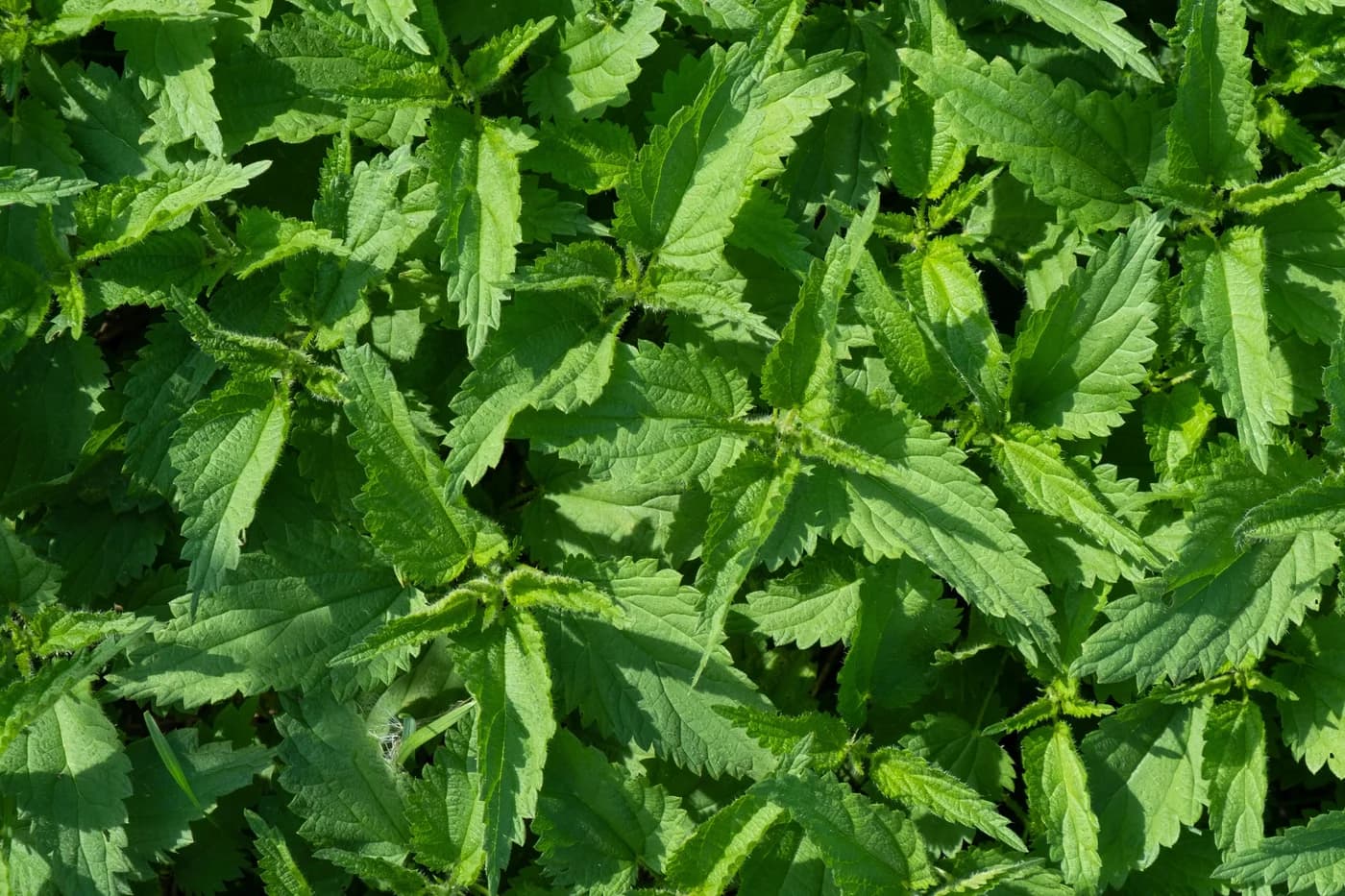
Stinging nettle, or Urtica dioica, is a leafy plant covered with fine hairs that can irritate skin.
Key Takeaways
- Fresh nettle stings, so it must be identified and handled correctly, ideally with gloves.
- Cooking or drying removes the sting but not every safety concern.
- Leaf tea, cooked leaves and root extracts are different products with different evidence.
- Evidence for allergy, joint and urinary claims is limited and does not replace diagnosis.
Stinging nettle, or Urtica dioica, is a leafy plant covered with fine hairs that can irritate skin. Cooked young leaves are used as food in some regions, while dried leaves, tea, root extracts and capsules are sold as herbal products. Stinging nettle benefits depend heavily on which plant part and preparation is being discussed.
Potential benefits
- Cooked leaves can add leafy-green variety where nettle is traditionally eaten.
- Tea provides a warm unsweetened drink for people who enjoy its grassy flavour.
- Root extracts may modestly improve some urinary symptom scores in selected men.
- Small studies have explored inflammation and allergy symptoms, but results are uncertain.
The plant behind the name
Nettle grows wild in many places and can be confused with other plants. The hairs release irritating chemicals when touched, causing a stinging rash that usually settles on its own. Gloves help during handling, but safe use also requires confident identification and knowledge of local contamination, pesticides and animal waste.
From fresh leaf to tea, capsule or extract
Dried leaf tea is not equivalent to a root capsule. Some supplements combine nettle with saw palmetto, minerals or other herbs, making effects harder to attribute. Check the botanical name, plant part and amount instead of relying only on a green leaf image. Any claim about stinging nettle benefits should name the form it refers to.
Cooking nettle as a leafy vegetable
Young leaves may be blanched and used in soup, saag-style dishes or fillings. Heat wilts the hairs and removes the sting. Wash with clean water, cook thoroughly and avoid serving raw foraged nettle in a smoothie. The flavour is earthy and can pair with potato, pulses or grains.
When cooking fresh leaves, wear gloves, remove tough stems and blanch in plenty of water before using them like spinach. Recipes and traditional knowledge vary, so first-time foragers should learn from a competent local guide.
Why root and leaf research differs
Research on root preparations often concerns urinary symptoms associated with benign prostate enlargement. Leaf studies examine different questions, including joint discomfort or seasonal allergy. Evidence remains insufficient to replace diagnosis or prescribed care, particularly when urinary symptoms could have several causes. Stinging nettle benefits from a culinary serving cannot be assumed to match a standardised root extract used in a clinical study.
Preparing and storing nettle tea
For tea, follow the package amount and steeping directions rather than making an increasingly concentrated brew. The taste is grassy and can be softened with mint or lemon if suitable. Tea contributes fluid but is not a substitute for treatment of anaemia, urinary infection, allergy or arthritis. Loose dried leaves should be stored dry in a closed container and discarded if damp, mouldy or infested.
Buying or foraging more carefully
Choose traceable packaged products with batch and expiry information. Foraging beside roads, industrial land or sprayed fields can expose the plant to contaminants. Do not assume wild means cleaner, and never harvest where permission or species identification is uncertain.
When a herbal product needs review
Nettle may affect blood pressure, blood glucose, fluid balance or medicines, although clinical relevance varies. Anyone taking medicines for these conditions should check with a doctor or pharmacist before using nettle supplements regularly. Pregnancy and breastfeeding need caution. Seek assessment for urinary retention, blood in urine, fever, severe pain, facial swelling or breathing difficulty rather than increasing a herbal dose.
Weighing stinging nettle benefits sensibly means matching the form to a clear purpose, choosing a traceable product and stopping if new symptoms appear.
Editorial sources
Frequently Asked Questions
Related Articles
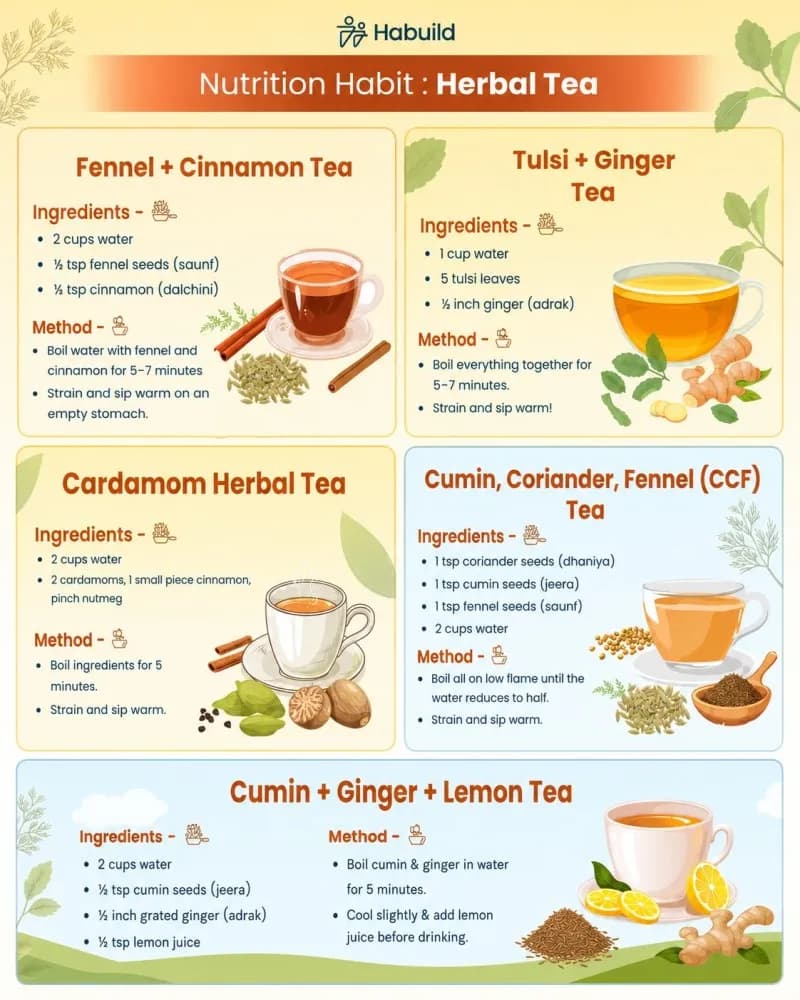
Herbal Tea Recipes: 5 Simple Blends for Daily Routine
These five herbal tea blends use common Indian kitchen ingredients like fennel, cinnamon, tulsi, ginger, and cardamom — light, warm drinks, not medicine..

Antioxidant Rich Foods: A Simple Guide to Eating More of Them
Antioxidants protect your cells from everyday oxidative stress caused by pollution, sun exposure, and normal metabolism. See the easiest foods to build a.

Iron Rich Foods: The Complete Vegetarian Food List
Lentils, chickpeas, dark leafy greens, jaggery, and seeds cover the full daily iron requirement for most people — no meat or fish needed. See the.