
Taurine Benefits, Food Sources and Supplement Safety
What taurine does, where it comes from, how it differs from caffeine in energy drinks and what to check before taking a supplement.
Key Takeaways
- The body makes taurine, and meat, fish and dairy also supply it.
- Most healthy adults, including vegans, do not need a taurine supplement.
- Taurine is not a stimulant; energy-drink effects come mostly from caffeine and sugar.
- High-dose or long-term supplements need more safety data and individual review.
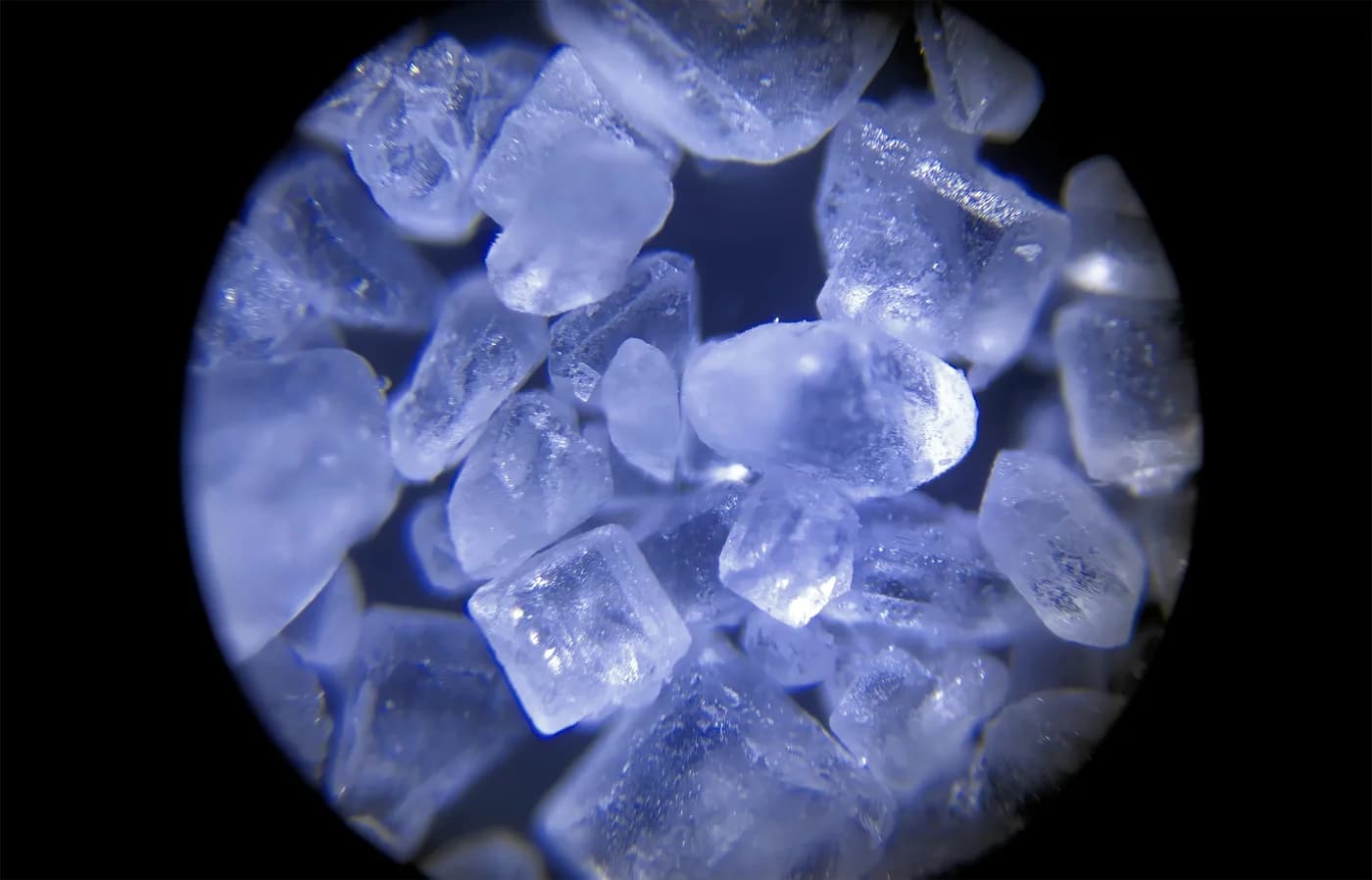
Taurine is an amino sulphonic acid that the body makes and that is found mainly in animal-derived foods. It is also added to many energy drinks, where it sits alongside caffeine and sugar. This guide explains what taurine does, where it comes from and what to consider before trying a supplement.
What taurine is and where it comes from
Taurine is involved in bile-acid formation, cell-fluid balance and functions in the heart, muscles, eyes and nervous system. The body can make taurine, and omnivorous diets also provide it through meat, fish, shellfish and dairy. Plant foods contain little, yet because the body produces its own, healthy vegan adults are not routinely advised to supplement for that reason alone.
Infants are a special group. Commercial infant formulas are designed around regulated nutritional requirements, and caregivers should never add a taurine supplement independently.
Physiological importance is not proof of supplement benefit
A substance can be essential to normal physiology without extra intake improving a body that already has enough. Research is exploring taurine for exercise, ageing and cardiometabolic health, but preparations, doses and study populations vary. Interesting trial results do not establish a universal need or prove that a supplement extends life. People with a diagnosed condition should not replace standard treatment with taurine.
If tiredness or poor performance is the concern, review sleep, total energy intake, iron, vitamin B12, training load and illness rather than assuming taurine is missing. A targeted assessment is more useful than a broad energy promise.
Taurine is not the "energy" in an energy drink
Taurine is not a stimulant and does not act like caffeine. The alert feeling from many energy drinks comes largely from caffeine, while sugar adds energy in the nutritional sense. European food-safety assessors have concluded that taurine at the levels found in energy drinks is not a safety concern for regular consumers, and that reported harms from very high energy-drink intake are more likely linked to caffeine.
Palpitations, anxiety, tremor or poor sleep after an energy drink therefore cannot be blamed on, or credited to, taurine alone. Mixing high-caffeine drinks with alcohol or intense exercise creates risks that a taurine headline overlooks.
Reading the full ingredient list
- Check caffeine and sugar on any combined product, and note when a can holds more than one serving.
- Count caffeine from every source that day, including coffee, tea, cola, pre-workout powders and some medicines.
- Do not stack energy drinks with pre-workout products.
- Choose a product by its complete formula, not its most scientific-sounding ingredient.
Athletic performance claims
Some studies report small performance or recovery effects, while others do not. Training status, dose, exercise type and the outcome measured all affect results. A supplement cannot replace progressive training, adequate carbohydrate, protein, fluids and sleep. Athletes who decide to use a supplement should choose products tested for banned-substance contamination.
Before trying a supplement
Ask what outcome you expect, whether a clinical need exists and how improvement would be measured. Check the amount per serving and avoid proprietary blends. Third-party testing can help verify contents but does not prove effectiveness. Start only one new supplement at a time, and record your medicines, caffeine intake and reason for use so that changes in sleep, training or diet are not mistaken for an effect. Avoid starting a new product just before a competition, long journey or demanding workday.
If a supervised trial is reasonable, keep the dose stable and set a review date. Stop if there is no meaningful improvement or if side effects appear, and do not escalate the amount because marketing promises rapid results.
Safety considerations
Safety data for prolonged high-dose supplementation are limited, and evidence is less certain for pregnancy, breastfeeding, children and people with kidney, liver or heart disease. Taurine may interact with treatment or affect blood pressure. Discuss use with a doctor or pharmacist, bring the exact label rather than only the brand name, and stop for significant new symptoms. Keep supplements away from children.
The bottom line
Taurine is scientifically interesting but not a reason for every healthy adult to buy a supplement. Normal body production and a varied diet are sufficient for most people, and the full product and personal context matter more than the word taurine on a label.
Editorial sources
Frequently Asked Questions
Related Articles

Caffeine Side Effects: How Much Is Too Much for You?
Caffeine comes from far more than coffee. See how total daily intake, timing and sensitivity shape jitters, sleep loss and other side effects.

Amino Acids: Types, Functions, Vegetarian Sources and Safety
Nine amino acids are called essential because the body cannot make enough of them and must get them from food. Learn vegetarian sources.


Vegan Diet: Nutrients, Meal Planning and Common Mistakes
How to plan vegan meals that cover B12, calcium, iodine, iron, omega-3 and protein, with a sample Indian day and mistakes to avoid.