
Vegan Diet: Nutrients, Meal Planning and Common Mistakes
How to plan vegan meals that cover B12, calcium, iodine, iron, omega-3 and protein, with a sample Indian day and mistakes to avoid.
Key Takeaways
- Vitamin B12 must come from fortified foods or a supplement; plants are not reliable.
- Build each meal on a grain, a pulse or soy food, vegetables, and nuts or seeds.
- Plan calcium, vitamin D, iodine, iron and omega-3 deliberately, not by chance.
- Pregnancy, children and illness call for a dietitian-guided vegan plan.
A well-planned vegan diet can support health when it is varied, provides enough energy and is deliberately supplemented where necessary. It is not automatically balanced, because chips, sugary drinks and refined foods can also be vegan. The central skills are building satisfying meals, securing vitamin B12 and planning for the nutrients that become less predictable without dairy, eggs, fish and meat.
Build a balanced vegan plate
Start with a grain or starchy food, add a substantial pulse or soy serving, include vegetables and finish with nuts, seeds or a suitable oil. This structure provides carbohydrate, protein, fibre and fat. Expensive powders are optional; dal, rajma, chana, tofu and familiar grains can form the foundation.
Vitamin B12: the one you cannot skip
Unfortified plant foods do not reliably provide active vitamin B12. Use a dependable supplement or enough fortified foods, following professional guidance on form and dose. Spirulina, fermented vegetables and traces from soil are not safe plans. Deficiency can harm blood and nerves, sometimes before anaemia becomes obvious.
Protein across the day
Lentils, beans, chickpeas, tofu, tempeh, soy milk, peanuts, seeds and grains together supply all the essential amino acids over the day. Exact combining at each meal is unnecessary, but portions matter. Athletes, older adults and people with small appetites may need more concentrated choices such as tofu, soy chunks or soy milk.
Iron and zinc
Plant iron is absorbed less predictably than the iron in meat. Pair pulses and greens with vitamin C-rich fruit or vegetables, and avoid tea immediately with iron-rich meals if your iron status is low. Soaking, sprouting and fermentation can improve mineral availability. Iron supplements should follow a blood test, because excess iron can also cause harm.
Calcium and vitamin D
Use calcium-set tofu and fortified plant drinks or yoghurts, checking the label for both calcium and vitamin D. Sesame, ragi and certain greens also contribute, though absorption varies. Vitamin D may still need a supplement depending on sun exposure, risk factors and blood results.
Iodine and omega-3
Iodised salt offers a measured iodine source, while seaweed can be extremely variable and sometimes excessive. Flax, chia, hemp seeds and walnuts provide ALA omega-3. Because the body converts ALA to the longer-chain forms only partly, people who are pregnant or have higher needs may discuss an algae-derived DHA/EPA supplement with a qualified professional.
When vegan meals fill you up too quickly
High-fibre meals can become bulky before they supply enough energy. Children, athletes and underweight adults may benefit from nut butters, tahini, avocado, tofu, oils and smoother pulse preparations. Persistent weight loss, fatigue or missed periods is not a sign of successful clean eating and needs medical attention.
A simple vegan day without specialty products
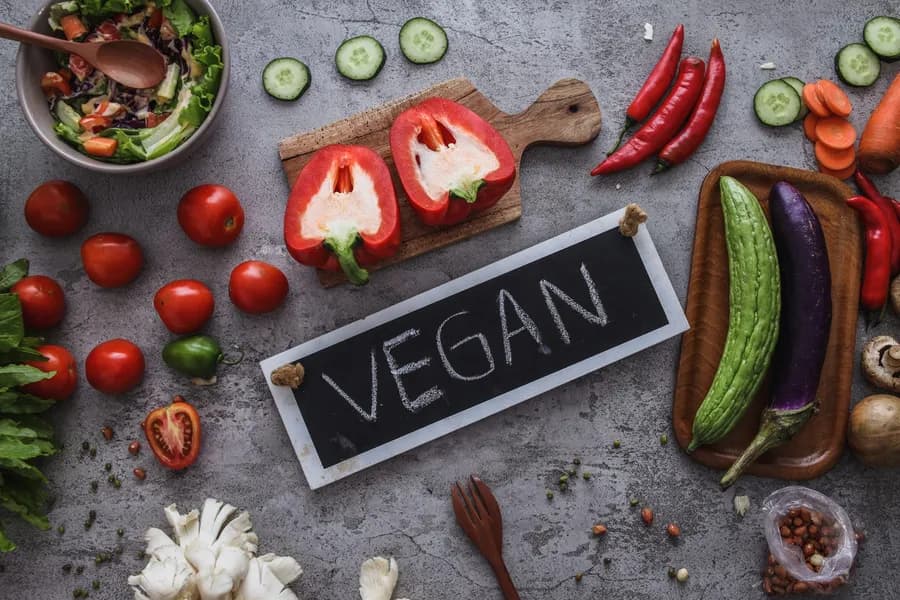
- Breakfast: oats cooked in fortified soy drink with fruit and chia seeds.
- Lunch: rajma with rice, sabzi and salad.
- Snack: roasted chana, peanuts, or fruit with soy yoghurt.
- Dinner: tofu bhurji with roti and vegetables.
Add a reliable B12 source and check calcium, vitamin D and iodine across the week. This example is not a prescription, but it shows that ordinary Indian foods can do most of the work. Supplements fill defined gaps; they do not need to turn the diet into a shelf of powders.
Common vegan diet mistakes
- Relying on vegan biscuits, chips and mock meats instead of pulses, grains and vegetables.
- Skipping B12 because you feel fine.
- Assuming "plant-based" means vegan. Check labels for milk derivatives, honey, gelatine, animal-derived vitamin D and capsule shells.
- Eating too little overall, especially with very high-fibre meals.
- Using seaweed as the main iodine source instead of iodised salt.
- Taking iron or other high-dose supplements without testing.
Keep it easy at home and outside
Plan two reliable breakfasts, several pulse or soy mains and portable snacks before exploring complex recipes. Batch-cook beans, freeze portions and keep fortified staples visible. At restaurants, ask directly whether dairy is used in the gravy, whether bread is brushed with butter and whether desserts contain gelatine or milk, then build the meal around a pulse or soy dish. An accidental exposure does not erase the overall pattern; preparation works better than purity contests.
Pregnancy, childhood and complex illness all benefit from planning with a registered dietitian.
Editorial sources
- British Dietetic Association: Vegetarian, vegan and plant-based diet
- NIH Office of Dietary Supplements fact sheets: Vitamin B12, Iodine, Iron and Calcium
- Academy of Nutrition and Dietetics: Food Sources of 5 Important Nutrients for Vegetarians
Frequently Asked Questions
Related Articles
Vegan Diet Basics: A Beginner’s Guide to Going Vegan
A vegan diet excludes all animal products, including dairy, eggs, honey, and ghee — meaningfully stricter than the vegetarian diets most Indian.

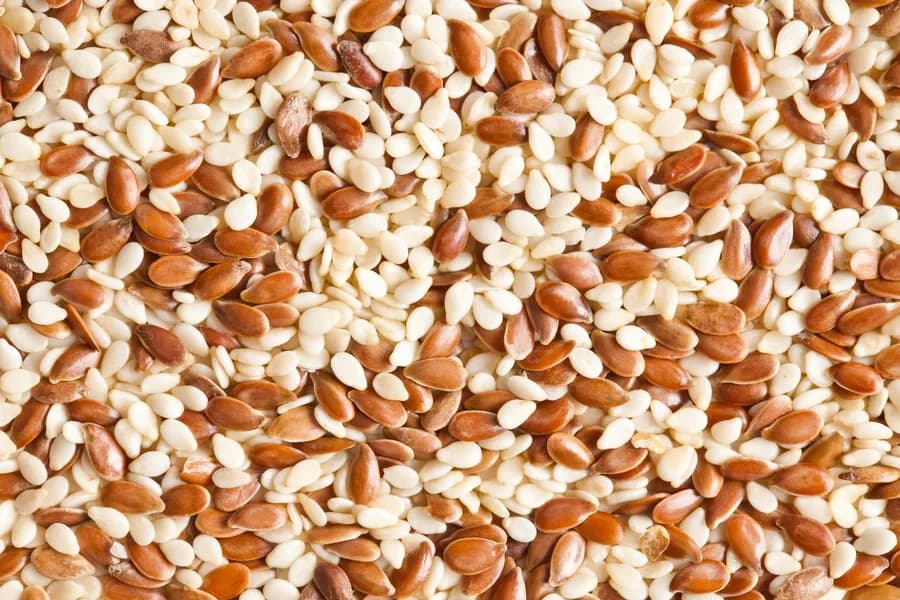
Vegan Omega 3 Sources: Best Plant-Based Options
Flaxseed, chia seeds, and walnuts make vegan omega-3 intake entirely achievable, with algae-based supplements rounding out the options. See how each one.
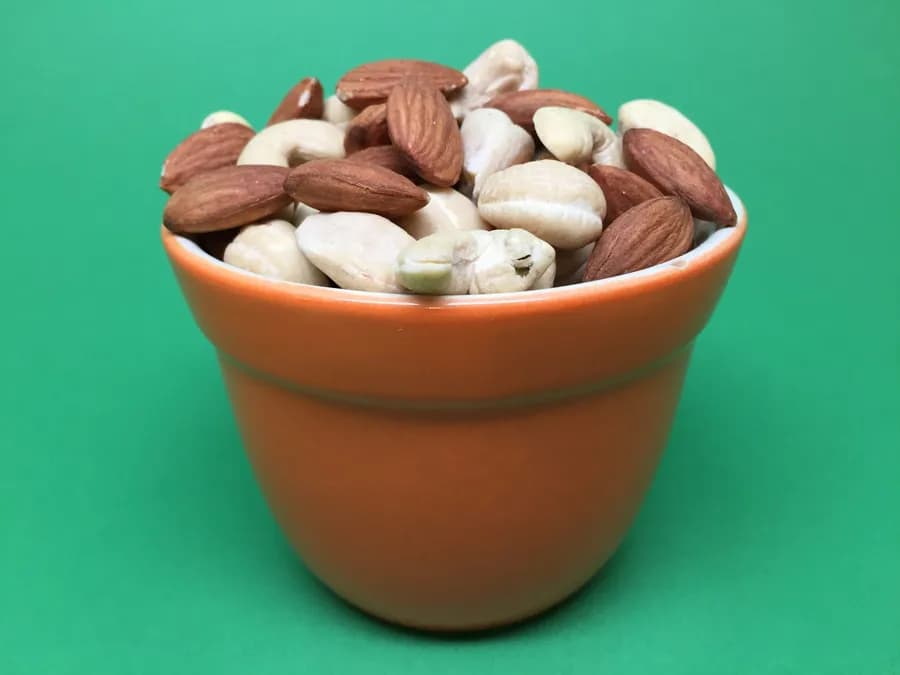
Zinc Rich Foods: The Best Vegetarian and Vegan Sources
Your body can’t store zinc for long, so it needs a steady daily supply from food. See the best vegetarian and vegan sources — no meat or seafood required.
