
Tofu vs Paneer: Protein, Calcium, Fat and Best Uses
How tofu and paneer compare on protein, calcium, fat, tolerance and cooking, and why alternating them often works better than picking a winner.
Key Takeaways
- Both tofu and paneer provide complete protein; amounts vary with moisture and brand.
- Calcium-set tofu can be calcium-rich; paneer calcium varies with the method.
- Paneer is usually higher in saturated fat; tofu has more unsaturated fat.
- Choose by allergy, lactose tolerance, vegan needs, recipe and the rest of the plate.
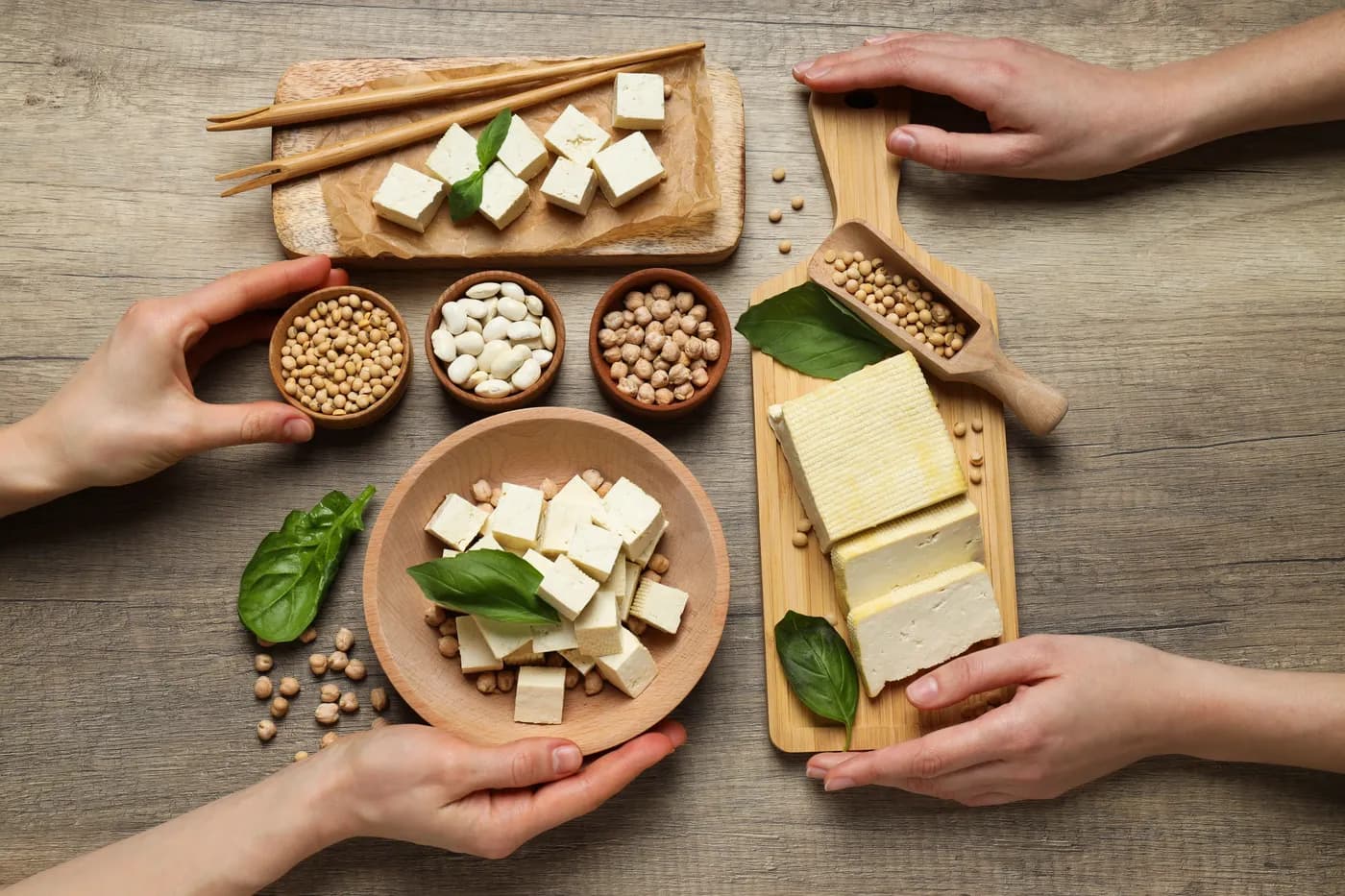
Tofu and paneer are both useful vegetarian proteins, yet they come from different foods. Tofu is made from soy milk; paneer is made by curdling dairy milk. Protein, calcium, fat, texture and environmental footprint vary by product and method. The better choice depends on your dietary pattern, the label, the recipe, your tolerance and the rest of the plate, not on a universal winner.
How tofu and paneer are made
Tofu forms when soy milk is coagulated and pressed into blocks ranging from silken to extra-firm. Paneer forms when heated milk is curdled with acid and the curds are pressed. Water content changes the nutrition per 100 grams, so compare the actual product rather than one generic online table.
Which gives you more protein?
Both provide all the indispensable amino acids. Firm tofu and paneer commonly contain substantial protein, but exact amounts differ with moisture. Paneer is not automatically twice as powerful, and tofu is not an incomplete protein. Portion size, total daily intake and how protein is spread across meals matter more than small differences between brands.
Which is lighter?
Full-fat paneer is usually more energy-dense and higher in saturated fat. Tofu commonly contains less total fat, and a larger share of it is unsaturated. Low-fat paneer changes the comparison. Someone who needs extra energy may value paneer's richness, while someone managing saturated fat or cholesterol may prefer tofu more often.
Which has more calcium?
Tofu set with calcium salts can be calcium-rich, while tofu made with other coagulants may provide less. Paneer's calcium varies because some is lost in the whey and recipes differ. Read labels when available, and use curd, ragi, sesame, greens or fortified drinks to diversify calcium sources.
Iron, B12 and other nutrients
Tofu can contribute iron, while paneer may provide some vitamin B12 depending on the milk and portion. Neither covers every nutrient. Vegans still need a reliable B12 source, and people with anaemia should not self-treat by simply doubling their tofu or paneer.
Digestion, allergy and tolerance
Paneer contains milk protein and may retain some lactose, so tolerance varies. It is unsafe for anyone with a milk-protein allergy, even if lactose is low. Tofu is unsuitable for people with a soy allergy. Most people with treated thyroid disease can eat ordinary soy foods; the timing of thyroid medicine should follow clinical guidance.
Which works better in your recipe?
Firm tofu absorbs marinades and works in bhurji, stir-fries, curries and grilled dishes. Pressing it first improves firmness. Paneer keeps a rich dairy flavour and browns well in tikka or gravies. Overcooking either can make it rubbery, so choose by the texture the recipe needs.
How much should go on the plate?
A palm-sized portion is a practical starting point, adjusted for appetite and protein goals. Surround it with vegetables and a suitable portion of rice or roti. A deep-fried preparation or cream-heavy gravy changes the meal more than whether the central cube began as soy or dairy.
What about homemade versions?
Homemade paneer varies with milk fat, pressing time and how much whey drains away. Homemade tofu varies with soy concentration, coagulant and firmness. If exact protein or calcium matters for a clinical or athletic plan, a labelled product offers more dependable numbers. Use clean equipment, refrigerate promptly and discard batches that smell sour or feel slimy.
So which should you choose?
Tofu suits vegan diets and usually has a lower saturated-fat profile. Paneer is often more familiar and widely available. Price, local production, packaging and food waste also matter. To decide, make one tomato-onion gravy and use it with browned tofu one day and paneer another, keeping the sides the same. Compare taste, fullness, digestion, cost and preparation time. Many households end up using tofu for everyday meals and paneer for occasional richer dishes, or the reverse. Alternating them adds variety; health does not require turning two useful foods into rivals.
Editorial sources
- USDA FoodData Central: tofu and paneer-style cheese profiles
- NIH Office of Dietary Supplements fact sheets: Calcium and Iron
- American Heart Association: Saturated Fat
Frequently Asked Questions
Related Articles
Soybean Nutrition: Protein, Uses and Safety
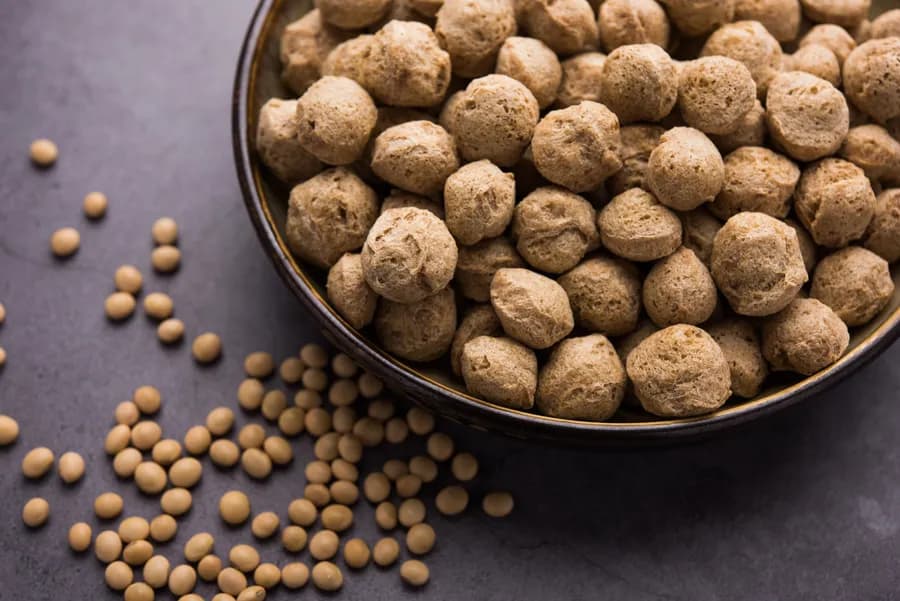
Soybeans provide high-quality plant protein, fibre, unsaturated fat, iron and other nutrients.

Protein-rich vegetarian foods: 1/4th plate habit
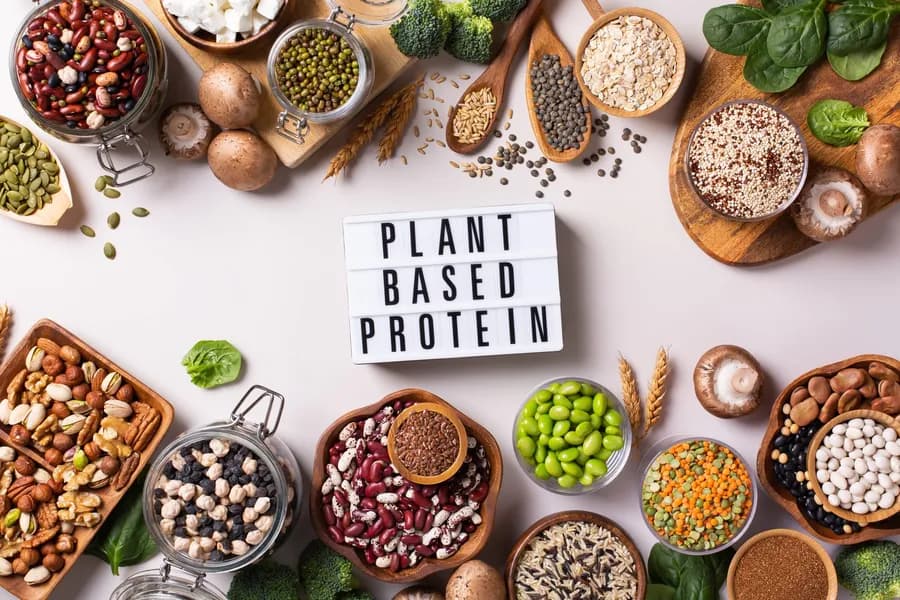
Explore protein, carbohydrates, healthy fats and meal planning for strength training, muscle building and recovery.

Complete protein for vegetarians: easy food pairs
Vegetarian meals can deliver complete protein too, once you know which everyday food pairs to combine. See the simple combinations that make it easy.
