
Soybean Nutrition: Protein, Uses and Safety
Soybeans provide high-quality plant protein, fibre, unsaturated fat, iron and other nutrients.
Key Takeaways
- Soybeans provide complete plant protein, fibre, unsaturated fat, iron and other nutrients.
- Tofu, tempeh, soy milk, edamame and textured soy differ in protein, sodium and fortification.
- Normal soy intake is not shown to feminise men or harm the thyroid in adults with enough iodine.
- Soy allergy can be serious, and levothyroxine timing may need professional guidance.
Soybeans provide high-quality plant protein, fibre, unsaturated fat, iron and other nutrients. Tofu, tempeh, soy milk and textured soy differ in processing and fortification. This guide examines soybean nutrition with practical context and without exaggerated promises.
One bean, many very different foods
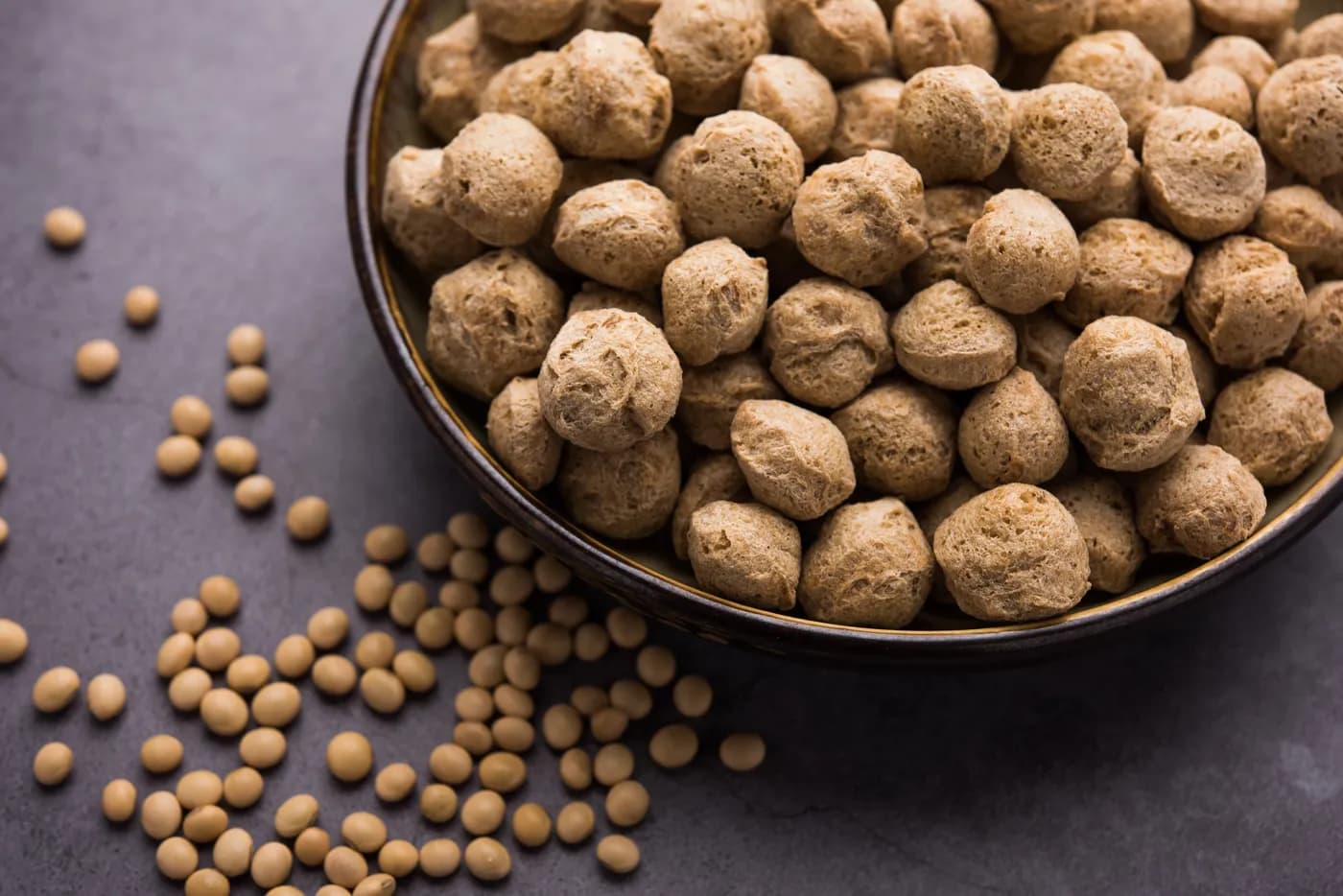
Soy reaches Indian kitchens in many forms: whole cooked soybeans, green edamame, soya chunks and granules, tofu, tempeh, soy milk and soy flour mixed into atta. Each is made differently. Tofu is set from soy milk, tempeh is fermented whole beans, and soya chunks are made from defatted soy flour, so they are high in protein but contain little of the bean's original fat. Regular soy foods can support a balanced vegetarian diet, but concentrated soy supplements are not equivalent to whole soy foods.
Protein is a major strength of soy
Soy supplies all essential amino acids and can make vegetarian meals easier to balance. Whole soybeans and edamame also provide fibre; tofu and tempeh vary with processing; soy milk may be fortified with calcium, vitamin D and vitamin B12. Soybean nutrition therefore depends on the actual product and portion rather than the word "soy" alone.
Evidence does not support the common claim that normal soy-food intake feminises men. Soy isoflavones are not identical to human oestrogen and their effects are more complex than social-media claims suggest. Concentrated isoflavone supplements are a different exposure and should not be treated as equivalent to tofu, soy milk or cooked beans.
Match the form to the meal
- Use tofu or tempeh in stir-fries.
- Choose calcium-fortified unsweetened soy milk.
- Add cooked soybeans or edamame to salads.
- Compare sodium in textured or packaged products.
Use tofu in bhurji or stir-fries, add tempeh to a bowl, cook edamame as a snack, or use textured soy in keema-style dishes. Unsweetened fortified soy milk can replace dairy milk for many adults, but shake the pack because added calcium may settle. There is no need for every soy product to appear in the same day.
What to compare on the label
Check protein, calcium and vitamin B12 where relevant, as well as added sugar and sodium. A flavoured soy drink can contain much more sugar than an unsweetened version. Textured soy, sauces and ready meals may be salty. Choose a portion that fits appetite and the other protein foods in the day.
When choosing plant milk, look for calcium and vitamin B12 fortification, protein per serving and added sugar. Plant milks are not nutritionally interchangeable, and many almond, oat or coconut drinks contain far less protein. For young children, infant feeding and milk replacement require paediatric guidance rather than an adult beverage chosen from the supermarket shelf.
Important limits to remember
Soy allergy can cause hives, vomiting, swelling or breathing difficulty; severe symptoms need urgent care. Raw mature soybeans must be cooked properly. Kidney disease can require an individual protein, potassium or phosphorus plan.
Soy chunks should be rehydrated and cooked according to the pack, while tofu should remain refrigerated and be used promptly after opening. Drain and store leftovers in a clean covered container.
Soy and thyroid health
Normal soy foods are generally compatible with thyroid health when iodine intake is adequate. The practical concern is that soy can affect absorption of levothyroxine if taken too close to the medicine. Follow the timing given by a clinician or pharmacist instead of eliminating a nutritious food unnecessarily.
Soy foods and breast cancer concerns
Soy foods are not the same as high-dose supplements. People with a history of hormone-sensitive cancer should discuss supplements and major dietary changes with their oncology team, but ordinary food decisions should be based on individual advice rather than fear-driven claims.
Fermented soy can offer different flavour and texture, but fermentation does not turn it into a cure. Likewise, "non-GMO" and organic labels describe production choices, not superior protein or guaranteed health outcomes.
Digestive comfort can improve gradually
Whole soybeans can cause gas when a person suddenly eats a large amount. Begin with a familiar portion, cook beans thoroughly and increase fibre gradually. Fermented forms or firm tofu may feel different, but tolerance is individual. Soybean nutrition remains available across several forms, so there is no need to force the one that repeatedly causes discomfort.
Protein planning with soy across the week
Soy can appear in meals without taking over the menu. Tofu bhurji at breakfast, edamame in a salad, tempeh in a stir-fry or textured soy in a curry can each provide protein, but they do not need to be combined. Alternate soy with dals, chickpeas, kidney beans and other suitable proteins to widen flavour and nutrient variety.
A soy-based burger or nugget can still be high in sodium and should be assessed as a complete product. Choose soy because it works in the meal, not because it has been marketed as a hormone cure, muscle shortcut or mandatory vegetarian food.
A balanced conclusion on soy
Soybean nutrition makes soy a valuable protein option, especially in vegetarian and vegan diets. It is still one option among pulses, dairy, eggs, nuts, seeds and other proteins.
Choose the forms you enjoy, pay attention to fortification and salt, and vary the rest of the plate. There is no need to eat soy at every meal or avoid it because of hormone myths.
If allergy, thyroid medication, kidney disease or cancer treatment complicates the choice, use personalised advice rather than a blanket rule. For most people, ordinary soy foods can fit comfortably into a varied diet.
Editorial sources
Frequently Asked Questions
Related Articles
Protein in Soya Chunks: How Much Is Really in There?
Protein in soya chunks is roughly 52g per 100g dry — one of the most concentrated vegetarian protein sources around, though the number changes once you.

Vegetarian protein: needs, myths and meal planning
Vegetarian meals can provide enough protein. Learn practical needs, simple Indian food sources, common myths and an easy meal-planning method.

High-Fibre Foods: Simple Indian Meal Ideas
Find high-fibre Indian foods, easy meal ideas, gradual intake tips and practical advice for constipation and daily health.