
Vegan Diet Basics: A Beginner’s Guide to Going Vegan
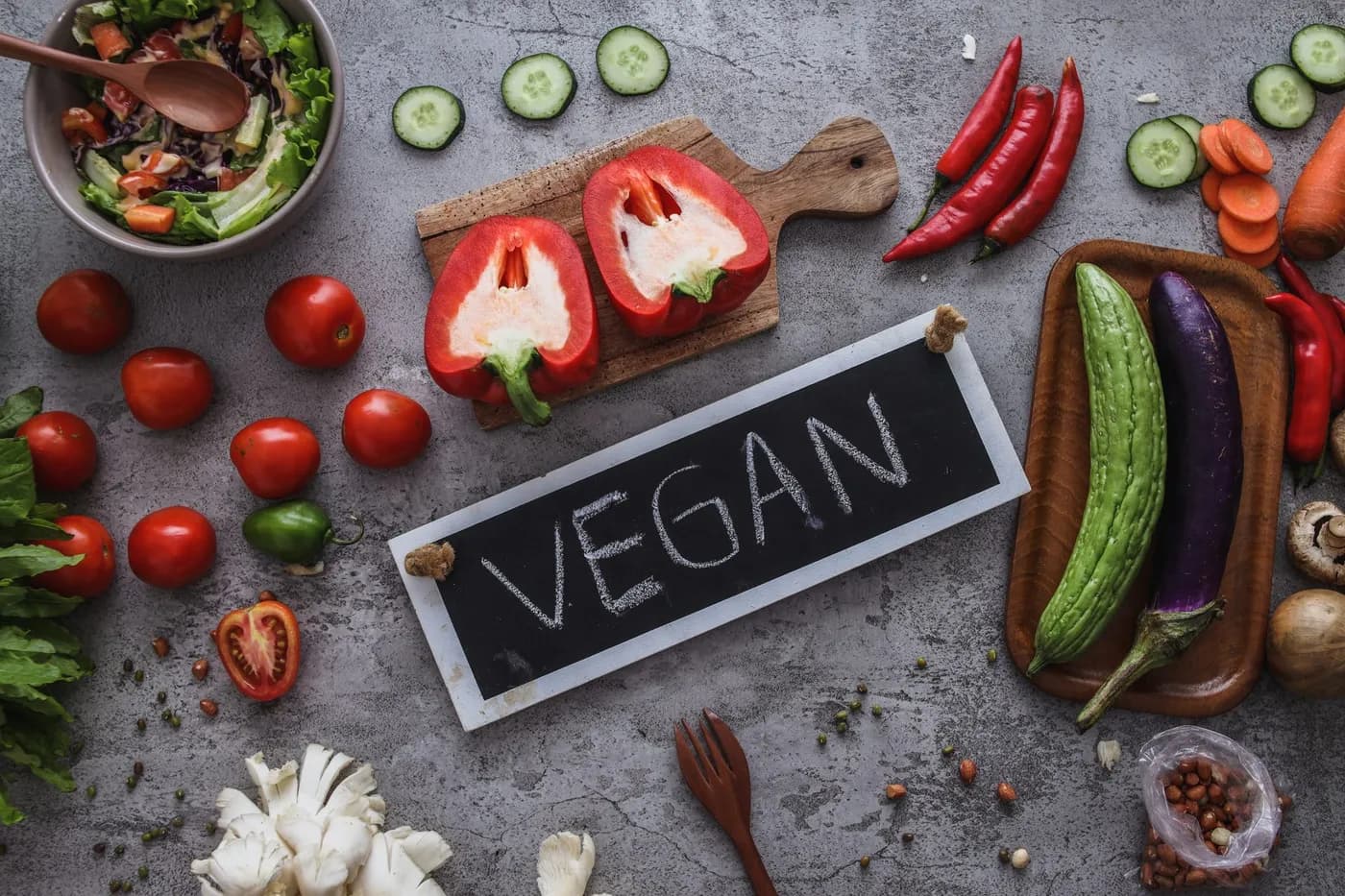
A vegan diet excludes all animal products, including dairy, eggs, honey, and ghee — meaningfully stricter than the vegetarian diets most Indian.

Key Takeaways
- Excludes dairy, eggs, honey, and ghee – stricter than most Indian vegetarian diets.
- B12 is the nutrient of greatest concern since it’s found almost exclusively in animal products.
- Pairing iron-rich plant foods with vitamin C improves absorption of non-heme iron.
- Sesame seeds, ragi, and fortified plant milks replace dairy as calcium sources.
- Protein works best from a mix of lentils, legumes, soy, and seeds across the day.
Getting the vegan diet basics right from the start makes the transition far smoother — a vegan diet excludes all animal products, including dairy, eggs, honey, and ghee, which makes it meaningfully stricter than the vegetarian diets most Indian households already follow. With a bit of planning around a handful of key nutrients, it’s entirely possible to eat well on a fully plant-based diet.
Vegan Diet Basics at a Glance
- What’s included: Vegetables, fruits, whole grains, legumes, lentils, nuts, seeds, and plant oils form the base of a vegan plate.
- What’s excluded: Dairy (milk, curd, paneer, ghee), eggs, honey, and any product derived from animals.
- Protein sources: Lentils (dal), chickpeas, rajma, soy products like tofu and soy chunks, peanuts, and other legumes replace dairy and eggs as protein sources.
- Nutrients to watch: Vitamin B12, iron, calcium, omega-3 fatty acids, and protein need more deliberate planning than on a vegetarian diet.
- Common Indian vegan swaps: Plant milk instead of dairy milk, tofu instead of paneer, and coconut or cashew-based curd substitutes.
Why Vegan Is Stricter Than a Typical Indian Vegetarian Diet
Most vegetarian diets in India still include dairy — milk, curd, paneer, and ghee are staples in daily cooking, and they quietly supply a lot of the calcium, vitamin B12, and protein in a vegetarian’s diet. A vegan diet removes all of that, which is why simply “going vegetarian, minus dairy” isn’t quite as complete as it sounds without also finding replacement sources for what dairy used to provide. Getting these vegan diet basics right early prevents small nutrient gaps from becoming bigger problems months later.
Key Nutrients on a Vegan Diet Basics Checklist
Vitamin B12 is the nutrient of greatest concern, since it’s found almost exclusively in animal products and isn’t reliably present in plant foods. Fortified foods, such as plant milks and nutritional yeast, or a B12 supplement are generally necessary on a fully vegan diet. Getting this right is one of the non-negotiable vegan diet basics, since deficiency symptoms can take months to show up.
Iron from plant sources — lentils, chickpeas, spinach, pumpkin seeds — is less easily absorbed than iron from animal sources, so pairing iron-rich foods with vitamin C, like lemon on your dal or amla, improves absorption.
Calcium typically comes from dairy in an Indian diet, so vegans need to look to sesame seeds (til), ragi, fortified plant milks, and leafy greens like spinach and moringa to meet daily needs.
Omega-3 fatty acids need a bit more deliberate sourcing on a vegan diet — flaxseed, chia seeds, and walnuts provide the plant form, ALA, which the body converts to the more usable EPA and DHA forms, though only in small amounts.
Protein is achievable through a combination of lentils, legumes, soy, nuts, and seeds across the day, since individual plant proteins are generally less complete than animal proteins on their own. Nailing this is one of the last vegan diet basics to lock in, but it’s very achievable with a bit of variety.
If you want to go deeper on the omega-3 piece, Vegan Omega-3 Sources breaks down the best ALA-rich picks and when the ALA-to-EPA/DHA conversion actually becomes a concern. And for building out vegan-friendly meals beyond the basics above, High Protein Vegetarian Foods has a fuller list of plant sources worth rotating through.
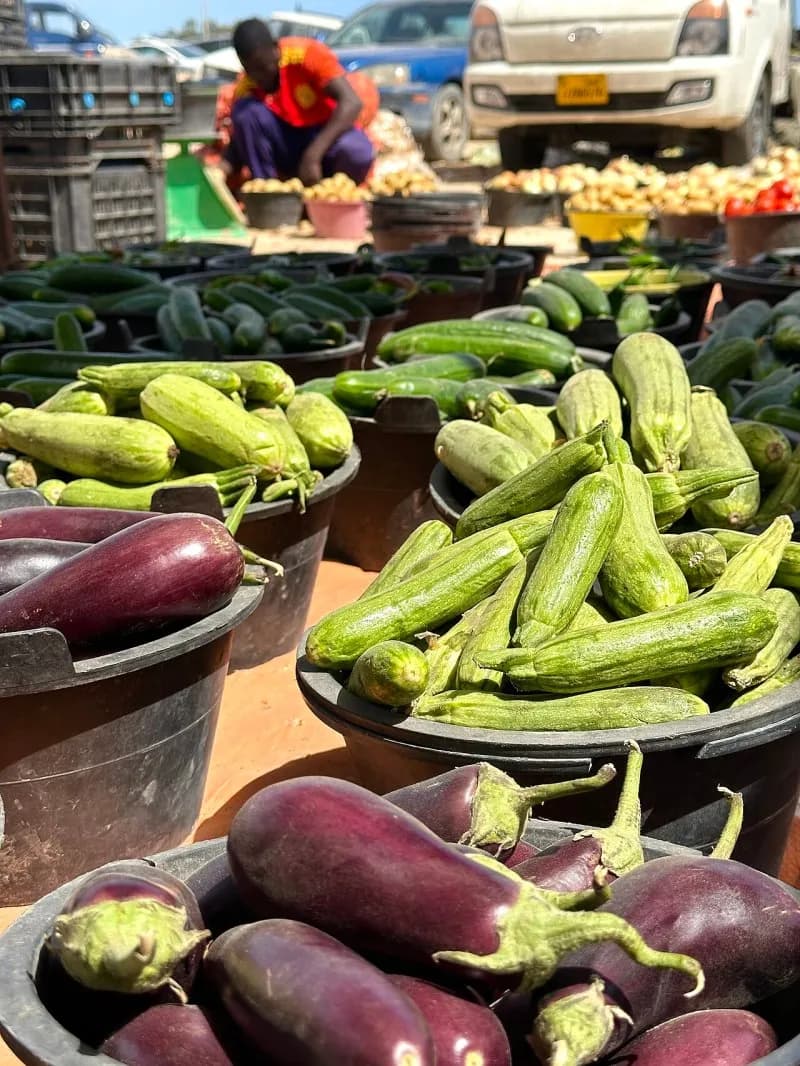
Photo: Mhmd.abdrzg, CC BY-SA 4.0, via Wikimedia Commons
Practical Tips for Starting a Vegan Diet in India
With the vegan diet basics covered, practical execution in an Indian kitchen comes down to a few swaps rather than a total overhaul. Indian cuisine already has a strong plant-based backbone — dals, sabzis, rice, and rotis are naturally vegan once dairy and ghee are removed. Start by replacing ghee with plant oil in your regular cooking, swapping dairy milk for soy, oat, or almond milk in tea and coffee, and using tofu or besan-based preparations in place of paneer dishes. Rather than switching everything overnight, transitioning meal by meal — starting with breakfast, then lunch — tends to be easier to sustain than an abrupt full switch.
Who Should Be Cautious About a Fully Vegan Diet
A well-planned vegan diet works for most people, but a few groups need extra care with the vegan diet basics before jumping in without guidance. Pregnant and breastfeeding women have higher needs for B12, iron, calcium, and protein, and should plan a vegan diet with a doctor or dietitian rather than adjusting on their own. Growing children and teenagers also need more protein and micronutrients per kilogram of body weight than adults, so a vegan diet for a child works best with professional input on portions and supplements. Anyone with a diagnosed iron-deficiency or B12-deficiency condition should get levels checked periodically after switching, since the earliest signs of a gap are easy to miss. None of this rules vegan eating out for these groups — it just means the vegan diet basics deserve a bit more planning rather than less.
Common Mistakes When Switching to Vegan
- Assuming “vegan” automatically means healthy: Fries, sugary drinks, and refined snacks can technically be vegan while still being poor nutrition — the vegan diet basics are about balance, not just excluding animal products.
- Skipping the B12 conversation: Because B12 isn’t reliably present in plant foods, treating supplementation as optional rather than essential is one of the most common gaps in an otherwise well-planned vegan diet.
- Not replacing dairy’s nutrients, only its taste: Swapping to plant milk without checking it’s fortified with calcium and B12 misses one of the key vegan diet basics — matching what dairy used to quietly provide.
- Under-eating overall: Plant foods are often less calorie-dense, so portions sometimes need to be larger to meet daily energy needs, especially for very active people.
Myths vs Facts About Vegan Diet Basics
Myth: A vegan diet can’t provide enough protein. Fact: Lentils, legumes, soy, nuts, and seeds together provide ample protein — this is one of the more reassuring vegan diet basics once meals are planned with some variety.
Myth: All vegan food is automatically low in fat and sugar. Fact: Vegan biscuits, chips, and desserts can be just as processed as their non-vegan counterparts — packaging that says “vegan” isn’t the same as saying “healthy.”
Frequently Asked Questions
Related Articles

Diet for Strength Training: a Practical Eating Guide for Muscle and Recovery
Explore protein, carbohydrates, healthy fats and meal planning for strength training, muscle building and recovery.
Best Diet Plan for Muscle Building
A consistent supply of protein, quality carbohydrates, and healthy fats repairs muscle tissue and fuels workouts — training is only half the equation. See what the right nutrition looks like.

Strength Training Diet: Nutrition Guide for Better Results
Discover the best strength training diet to fuel your workouts, build muscle, and improve performance. Start your 14-day free trial trial with Habuild today.