
Vegan Omega 3 Sources: Best Plant-Based Options
Flaxseed, chia seeds, and walnuts make vegan omega-3 intake entirely achievable, with algae-based supplements rounding out the options. See how each one.
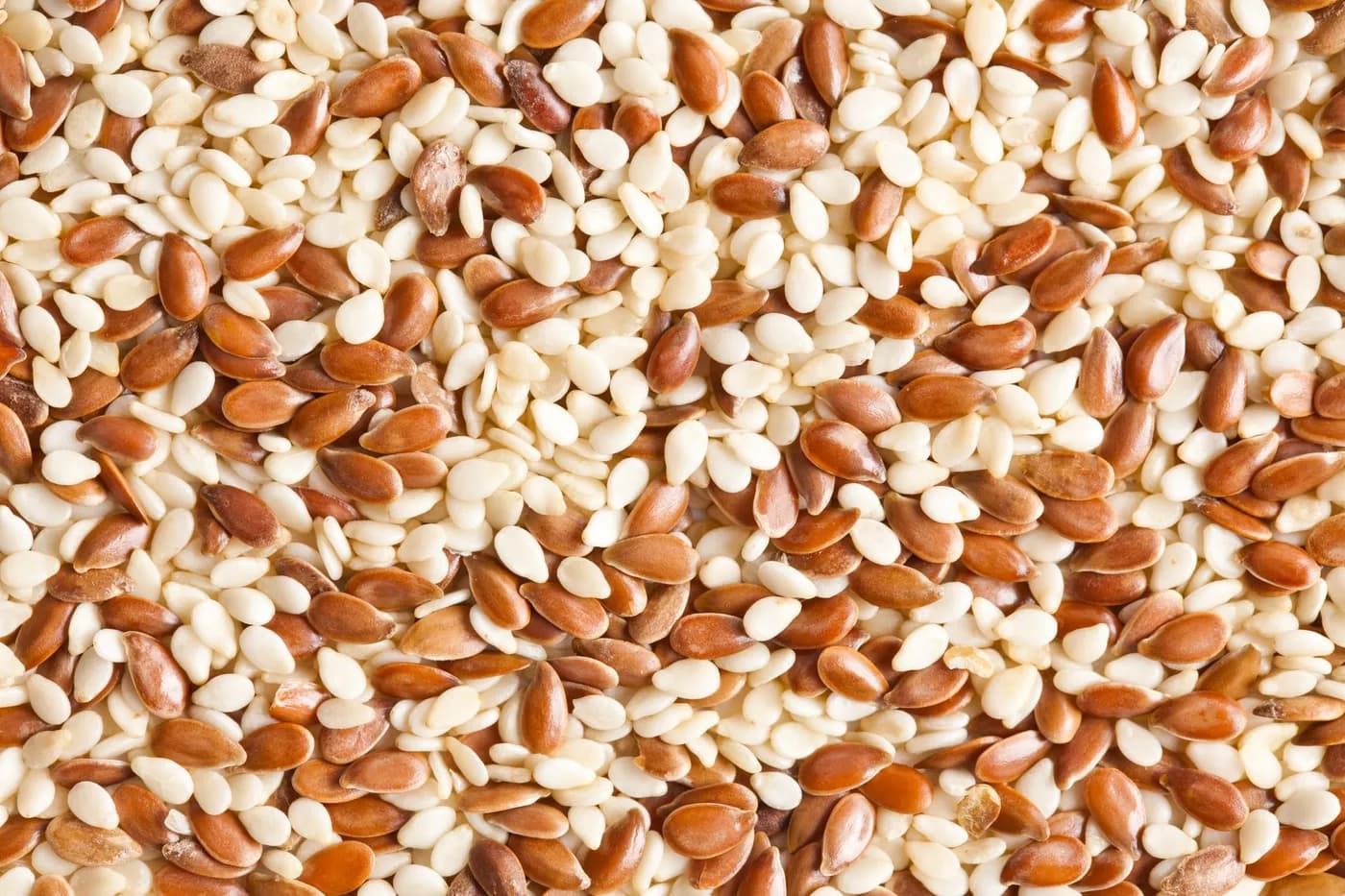
Key Takeaways
- Flaxseed, chia, and walnuts provide ALA, a precursor the body converts to EPA and DHA.
- That conversion is inefficient – only about 5-10% converts to EPA, less than 5% to DHA.
- Whole flaxseed passes through mostly undigested – grinding it is essential.
- Algae-based supplements are the only vegan source of ready-made EPA and DHA.
- Rotating between multiple plant sources works better than relying on just one.
Vegan omega 3 sources take a bit of intentional planning, but flaxseed, chia seeds, and walnuts make it entirely achievable, with algae-based supplements rounding out the options. Understanding how each one works helps you actually meet your omega-3 needs from plants alone.
Vegan Omega 3 Sources at a Glance
- Flaxseed: One of the richest plant sources of ALA (alpha-linolenic acid); best consumed ground, since whole seeds pass through largely undigested.
- Chia seeds: Similar ALA content to flaxseed, easy to add to smoothies, curd, or overnight oats without needing to grind them.
- Walnuts: A convenient snack-form source of ALA, with roughly 2.5 grams per small handful.
- Algae-based supplements: The only vegan source of pre-formed EPA and DHA, the two omega-3 forms your body actually uses most.
- Hemp seeds and soybean oil: Smaller contributors of ALA that can add up as part of a varied plant-based diet.
Why Vegan Omega 3 Sources Aren’t the Same as Fish Omega-3
Fish and fish oil provide omega-3 mainly as EPA and DHA, the forms your brain, eyes, and cardiovascular system use directly. Plant sources like flaxseed, chia, and walnuts instead provide ALA, a precursor that the body has to convert into EPA and DHA through a multi-step metabolic process. Here’s the honest catch: that conversion is quite inefficient. Depending on individual factors, only a small percentage of ALA — commonly estimated at somewhere around 5-10% for EPA and less than 5% for DHA — actually gets converted. This means that even generous amounts of flaxseed or walnuts may not fully replace the direct EPA and DHA you’d get from fish. That gap is exactly why relying on just one or two vegan omega 3 sources isn’t always enough on its own.
Where Algae-Based Supplements Fit In
Because ALA conversion is so limited, algae-based omega-3 supplements are worth considering for anyone who doesn’t eat fish — they’re derived directly from the same microalgae that fish themselves get their omega-3 from, so they supply ready-made EPA and DHA rather than relying on your body to convert it. For strict vegans, vegetarians who don’t eat fish, or anyone simply looking to be thorough about long-term omega-3 status, an algae supplement is a more direct route than piling on more flaxseed. It’s a reasonable, evidence-based addition rather than an essential one for everybody — but it’s the most direct vegan answer to the EPA and DHA gap. Algae supplements are worth treating as one more entry on your list of vegan omega 3 sources, not a replacement for the others.
Photo: Sanjay Acharya, CC BY-SA 3.0, via Wikimedia Commons
Building Vegan Omega 3 Sources Into Daily Meals
A tablespoon of ground flaxseed in your morning oats or smoothie, a spoon of chia seeds soaked overnight, and a small handful of walnuts as a snack together provide a meaningful daily dose of ALA. Rotating between these rather than relying on just one keeps the routine easy to sustain, and using a bit of walnut or flaxseed oil in cold preparations, rather than high-heat cooking that can degrade the fats, adds another small contribution. If you want more certainty around EPA and DHA specifically, that’s where an algae supplement becomes a useful addition to an otherwise plant-based routine.
If you’re trying to decide which of flaxseed or chia to lean on more day to day, Chia Seed Versus Flaxseed compares the two beyond just omega-3 content. And if omega-3 is just one piece of a bigger transition, Vegan Diet Basics covers the other nutrients — B12, iron, calcium — worth planning around at the same time.
Who Should Pay Extra Attention to Vegan Omega 3 Sources
Most people can meet their omega-3 needs through a varied plant-based diet, but a few groups benefit from being more deliberate about vegan omega 3 sources. Pregnant and breastfeeding women have higher DHA needs to support the baby’s brain and eye development, so relying only on flaxseed or walnuts without considering an algae-based supplement is worth discussing with a doctor. People with existing heart conditions, or a family history of them, are another group where a doctor may specifically recommend a direct EPA and DHA source rather than ALA alone, since the conversion rate is genuinely limited. Strict vegans who don’t eat any fish, eggs, or dairy have the narrowest set of options, which is exactly why algae-based supplements exist as a category — as one of the few truly complete vegan omega 3 sources available.
Common Mistakes People Make With Vegan Omega 3 Sources
- Eating whole flaxseeds instead of ground: Whole flaxseeds largely pass through the digestive system undigested, so the ALA inside never gets absorbed — grinding them first is essential.
- Assuming any plant oil counts: Not all plant oils are meaningful vegan omega 3 sources; sunflower or regular vegetable oil, for instance, contributes very little ALA compared to flaxseed or walnut oil.
- Cooking flaxseed or walnut oil at high heat: These oils are best used in cold preparations like salad dressings, since high heat can degrade their delicate fats.
- Overestimating ALA-to-DHA conversion: Expecting a spoon of flaxseed to fully replace a direct EPA/DHA source overstates how efficiently the body actually converts ALA.
- Ignoring supplements out of habit rather than need: Some vegans skip a supplement simply because it feels unnecessary, without checking whether their actual diet variety covers the gap.
Myths vs Facts About Vegan Omega 3 Sources
Myth: Flaxseed alone covers all your omega-3 needs. Fact: Flaxseed provides only ALA, which converts inefficiently to EPA and DHA — for that reason, it’s best treated as one part of a broader mix of vegan omega 3 sources rather than the whole answer.
Myth: Algae supplements are a last resort, not a real source. Fact: Algae supplements are actually the most direct of all vegan omega 3 sources, since they provide ready-made EPA and DHA rather than relying on conversion at all.
Frequently Asked Questions
Related Articles
How to Get Enough Protein on a Vegetarian Diet
Learn how protein rich vegetarian foods support energy, strength and fullness. Use the perfect plate habit with greens, grains and protein.

Healthy fats: why your body needs fat
Healthy fats help your body absorb vitamins and support brain, hormones, joints, cells and daily meals. Learn simple vegetarian sources and habits.
