
Vitamin A Food Sources: The Best Vegetarian & Plant-Based Foods
Carrots, sweet potato, spinach, mango, and papaya supply beta-carotene that your body converts into vitamin A as needed. See a complete vegetarian and.
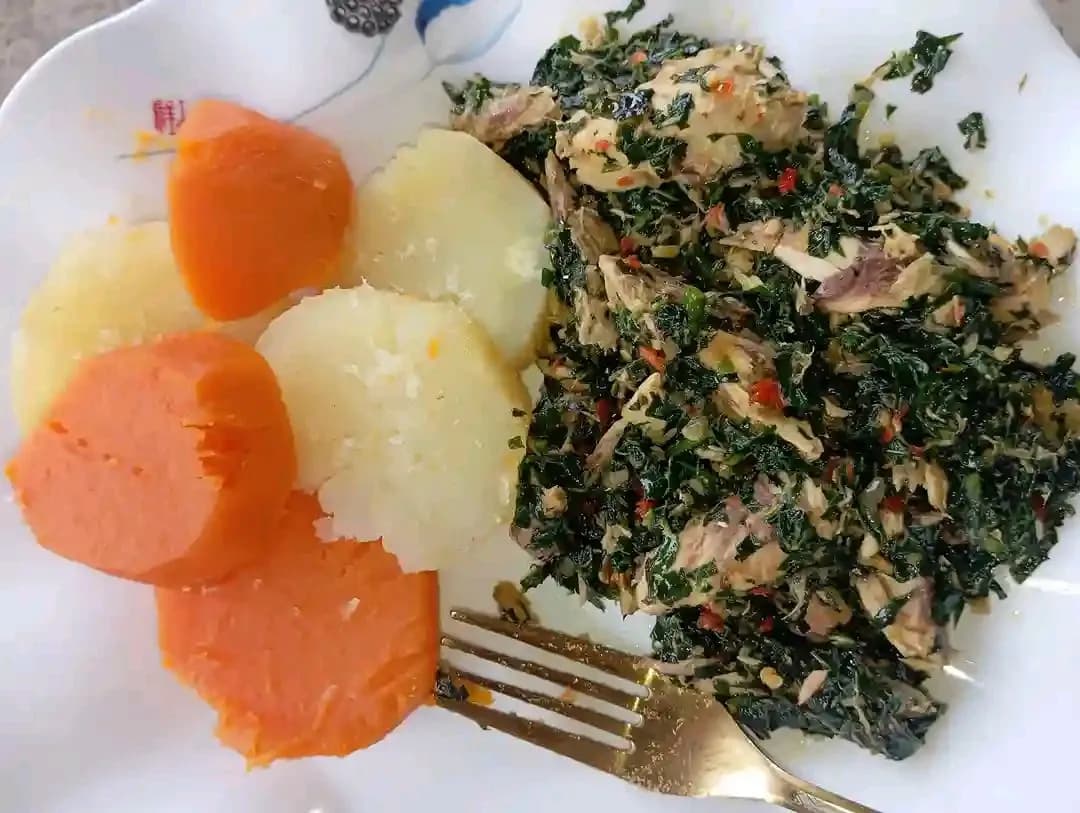
Key Takeaways
- Carrots, sweet potato, spinach, and mango supply beta-carotene the body converts as needed.
- A varied vegetarian plate can fully meet vitamin A needs without any animal foods.
- Sweet potato and carrots each come close to covering a full day’s requirement alone.
- Cooking carrots, spinach, and pumpkin lightly actually improves beta-carotene absorption.
- Animal-source retinol is far more concentrated, which is why its limits are tighter.
The best vitamin A food sources are colourful, everyday plant foods — carrots, sweet potato, spinach, mango, pumpkin, papaya and red bell peppers — which supply beta-carotene that your body converts into vitamin A exactly as needed. This plant route, also called provitamin A, is complete on its own: a varied vegetarian plate built around these foods can fully meet the daily requirement without any animal foods at all.
Vitamin A food sources at a glance
Plant sources (beta-carotene, provitamin A) — the complete answer for most people: – Carrots – Sweet potato – Pumpkin – Spinach and other dark leafy greens (methi, palak) – Mangoes – Papaya – Red and yellow bell peppers – Apricots (fresh and dried)
Eaten regularly, and with a little fat to help absorption, these foods alone cover the daily vitamin A requirement for almost everyone.
A quick note on animal sources: animal foods — dairy, eggs, and especially liver — contain preformed vitamin A, or retinol, which the body can use directly without conversion. Retinol is far more concentrated than beta-carotene, which is why animal-source vitamin A comes with much tighter serving limits. It’s useful context if you eat non-vegetarian, but it isn’t something you need to seek out.
A closer look at the top plant sources, gram for gram
These are the vitamin a food sources worth prioritizing, ranked by how much they deliver per 100g:
| Food (per 100g) | Approx. Vitamin A | Type |
| --- | --- | --- |
| Sweet potato, boiled | ~960 mcg RAE | Beta-carotene |
| Carrot, raw | ~835 mcg RAE | Beta-carotene |
| Spinach, cooked | ~570 mcg RAE | Beta-carotene |
| Pumpkin, cooked | ~430 mcg RAE | Beta-carotene |
| Red bell pepper | ~157 mcg RAE | Beta-carotene |
| Mango | ~54 mcg RAE | Beta-carotene |
| Papaya | ~47 mcg RAE | Beta-carotene |
Sweet potato and carrots are the standout everyday sources — a single serving of either comes close to covering the full day’s requirement on its own. This is exactly why they’re usually the first two vitamin a food sources people reach for when planning a meal.
How to build a day of meals around vitamin A food sources
You don’t need to eat liver or exotic ingredients to hit your target. A simple Indian day might look like: methi or palak sabzi with lunch, a carrot-and-cucumber salad, a mid-morning mango or papaya, and a splash of milk or ghee through the day. Cooking carrots, spinach and pumpkin lightly (rather than eating them raw and whole) actually improves beta-carotene absorption, since cooking breaks down plant cell walls.
For the RDA figures and why the plant route (beta-carotene) is considered the safer daily habit for most people, see our companion piece on vitamin A beta carotene benefits.
Photo: Muktee1494, CC BY-SA 4.0, via Wikimedia Commons
Common mistakes when choosing what to eat
Getting your vitamin a food sources right also means avoiding a few common slip-ups:
- Assuming all vitamin A foods are equal — beta-carotene from plants and preformed vitamin A from animal foods aren’t measured or absorbed the same way; know which bucket a food falls into.
- Skipping fat entirely — vitamin A is fat-soluble, so eating carrots or spinach with zero fat (say, a bone-dry salad) reduces how much you actually absorb. A drizzle of ghee or oil helps.
- Relying only on raw carrots for children — young kids often can’t break down raw vegetable fibre well; lightly cooked and mashed versions absorb better.
Vitamin A rarely works alone — it’s worth pairing these foods with other antioxidant-rich choices, so take a look at our guides on vitamin C benefits and vitamin E benefits to round out the picture, alongside our deeper dive on vitamin A beta-carotene benefits for the science behind why the plant route is the safer daily habit.
Who Should Be a Little More Careful
Most people get all the vitamin A food sources they need from a varied vegetarian diet without a second thought, but a few groups should pay closer attention. Pregnant women are usually advised to avoid liver and high-dose vitamin A supplements altogether, since excess preformed vitamin A (retinol) has been linked to birth defects when taken in large amounts — the beta-carotene in plant-based vitamin a food sources like carrots and spinach doesn’t carry this risk, because the body only converts as much as it actually needs. People with liver disease should also be cautious with vitamin A supplements, since this fat-soluble vitamin is stored in the liver and can build up if the organ isn’t clearing it normally. And if you’re already taking a multivitamin, it’s worth checking the label before adding a separate vitamin A supplement on top, since it’s the stacking of multiple concentrated sources — not carrots or spinach — that tends to cause problems.
Myths vs Facts About Vitamin A Food Sources
Myth: You need to eat liver or eggs to get enough vitamin A. Fact: A vegetarian diet built around everyday vitamin a food sources — carrots, sweet potato, spinach, mango, pumpkin — comfortably covers the daily requirement for most healthy adults, no animal foods required.
Myth: Raw vegetables give you more vitamin A than cooked ones. Fact: Light cooking actually improves how much beta-carotene your body can absorb from these vitamin a food sources, since heat breaks down the plant cell walls that otherwise lock the nutrient in.
Myth: More vitamin A is always better for you. Fact: That’s broadly true for beta-carotene from plants, which the body regulates and converts only as needed, but it isn’t true for concentrated retinol from supplements or liver, where excess amounts can accumulate and cause harm over time.
Frequently Asked Questions
Related Articles
How to Get Enough Protein on a Vegetarian Diet
Learn how protein rich vegetarian foods support energy, strength and fullness. Use the perfect plate habit with greens, grains and protein.


How to Digest Food Fast: 7 Natural Methods That Work
Slow digestion produces bloating, fatigue, and discomfort — movement, position, and dietary tweaks speed up digestive transit. See 7 natural methods that
