
Vitamins to Balance Hormones for Females: What Actually Helps
‘Hormone balance’ gets used loosely in marketing, but B vitamins, magnesium, omega-3s, and vitamin D do support the systems involved in hormone.


Key Takeaways
- ‘Hormone balance’ is a complex feedback loop, not something one vitamin can fix alone.
- B vitamins, magnesium, omega-3s, and vitamin D support the systems, not replace diagnosis.
- Conditions like PCOS or thyroid disorders need blood tests, not a supplement blend off a shelf.
- Correcting a genuine deficiency can meaningfully ease period-related symptoms and mood.
- High doses of some vitamins, like B6, can cause their own problems over time.
Vitamins to balance hormones for females are a popular wellness topic, but “hormone balance” is often used loosely in marketing without much explanation. Some nutrients — B vitamins, magnesium, omega-3s, and vitamin D — genuinely support the systems involved in hormone production, but they work alongside proper diagnosis, not as a replacement for it.
Vitamins to Balance Hormones for Females: The Quick List
- B vitamins (B6, B12, folate): support estrogen metabolism and steady energy
- Magnesium: linked to easier PMS symptoms and better sleep quality
- Omega-3 fatty acids: support inflammation control and may ease period pain
- Vitamin D: functions more like a hormone itself; linked to menstrual and thyroid health
- Zinc and vitamin E: sometimes discussed for cycle regularity, though evidence is more limited
Why “Hormone Balance” Is a Complicated Term
Hormones like estrogen, progesterone, thyroid hormones, insulin, and cortisol are regulated by tightly connected feedback loops between your brain, ovaries, thyroid, and adrenal glands. No single vitamin or supplement “balances” all of this the way wellness marketing often implies. When something genuinely goes wrong — PCOS, thyroid disorders, perimenopause, or insulin resistance — the underlying cause needs blood tests and a proper diagnosis, not a supplement blend bought off a shelf. This is exactly why searches for vitamins to balance hormones for females often turn up oversimplified answers that skip over this complexity.
This isn’t to say nutrition doesn’t matter. Chronic deficiencies in B vitamins, magnesium, or vitamin D can genuinely make period-related symptoms, energy, and mood harder to manage, and correcting a real deficiency often helps. The honest framing is that vitamins to balance hormones for females work best as support for a system that’s already functioning reasonably well, filling in nutritional gaps rather than reversing a diagnosed condition.
Photo: Stacy Spensley, CC BY 2.0, via Openverse
How to Use Vitamins to Balance Hormones for Females Sensibly
Start with food rather than supplements: dairy and fortified foods for vitamin D, nuts and seeds for magnesium, flaxseed, walnuts, and chia seeds for omega-3s, and dairy, leafy greens, and whole grains for B vitamins. This covers most women’s needs without the guesswork of dosing supplements. If you suspect a deficiency — persistent fatigue, poor sleep, or symptoms that food alone isn’t fixing — a blood test can confirm it before you start supplementing, since high doses of some vitamins (like B6) can cause problems of their own over time. Choosing vitamins to balance hormones for females from whole foods first, and only supplementing a confirmed gap, is generally the safer order of operations.
Track your symptoms honestly. If your cycles are consistently irregular, PMS is severe enough to disrupt daily life, you’re losing hair, or your weight is changing without explanation, these are signs worth discussing with a doctor rather than something to self-treat with an over-the-counter hormone blend. In short, vitamins to balance hormones for females work best alongside real tracking of your symptoms, not instead of it.
This kind of nutrient troubleshooting matters even more if you’re trying to conceive — a diet to enhance fertility overlaps heavily with hormone-supportive eating — and it carries into breastfeeding too, where a diet for lactating mother leans on many of the same building blocks. A closer look at PCOS-specific eating (coming soon) will cover the pattern most commonly linked to these symptoms.
Myths vs Facts About Hormone Balance
Myth: A single “hormone balance” supplement blend can fix any symptom. Fact: these blends usually combine several vitamins and herbs at fixed doses that may not match what your body actually needs. Vitamins to balance hormones for females work best chosen individually, based on an actual deficiency, not as a pre-mixed bundle marketed with vague promises.
Myth: Hormonal acne, PMS, or irregular cycles always mean you’re deficient in something. Fact: these symptoms are just as often caused by PCOS, thyroid disorders, stress, or genetics as by a nutrient gap. Vitamins to balance hormones for females can help when a real deficiency exists, but they won’t resolve a hormonal condition that needs medical treatment.
Myth: More is always better when it comes to hormone-supporting vitamins. Fact: fat-soluble vitamins like D and E, and high-dose B6, can build up to harmful levels or cause nerve symptoms if overused. The right approach is adequate, evidence-based dosing, not maximum dosing.
Common Mistakes to Avoid
Self-diagnosing “estrogen dominance” or “low progesterone” from social media checklists and then self-treating with supplements is a common and sometimes counterproductive mistake — many of these symptom lists are not diagnostic, and taking hormone-mimicking supplements without bloodwork can occasionally worsen symptoms. Another common mistake is stopping prescribed medication (like thyroid hormone or birth control) in favour of a vitamin-only approach; vitamins to balance hormones for females are meant to complement medical treatment, not replace it. Finally, people often expect quick results — most nutrient-related improvements in energy, mood, or cycle regularity take at least two to three menstrual cycles to become noticeable, so give any dietary change a fair trial before deciding it isn’t working.
Frequently Asked Questions
Related Articles
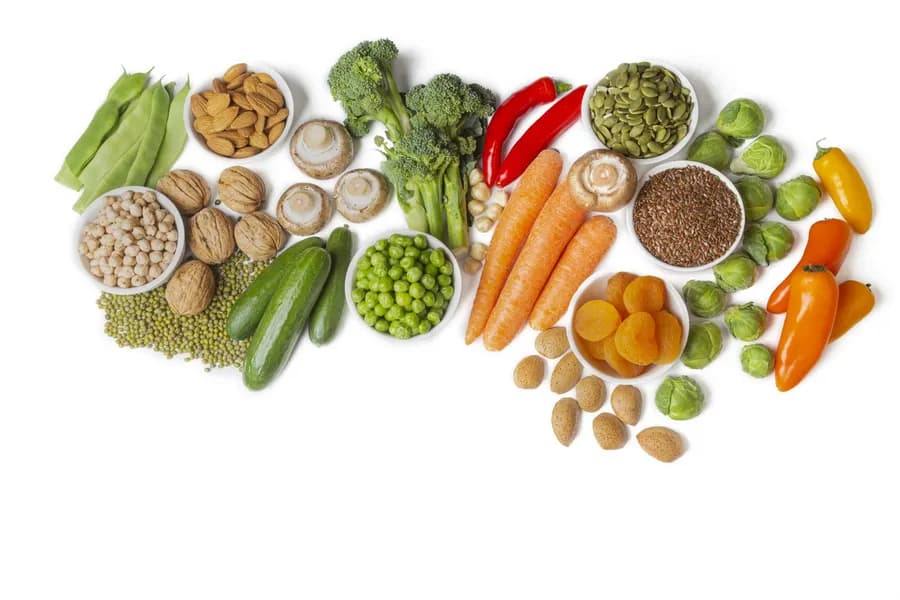
Fat soluble vitamins: why healthy fats help absorption
Vitamins A, D, E and K need fat for absorption. Learn simple Indian food pairings and how to add a little healthy fat to balanced meals.

How to Balance Chakras: A Complete Guide for Beginners
Yoga, breathwork, and daily meditation support the free flow of energy through the body’s seven primary energy centres. See the complete beginner’s guide.

Yoga Asanas for Hormonal Balance: Steps, Benefits & Precautions
Discover the best yoga asanas for hormonal balance — with step-by-step instructions, benefits, and precautions.
