
Wheatgrass Benefits: Powder, Juice and Evidence
Wheatgrass is sold as juice, powder and tablets with big promises. Here is what it contains, what evidence exists and how to use it safely.

Key Takeaways
- Wheatgrass is young wheat shoots, sold as fresh juice, frozen shots, powder or tablets.
- Typical servings are small, so its nutrient contribution is modest compared with vegetables.
- There is no good evidence that wheatgrass detoxifies the body or treats cancer.
- Raw juice can carry microbes; people with coeliac disease need certified gluten-free products.
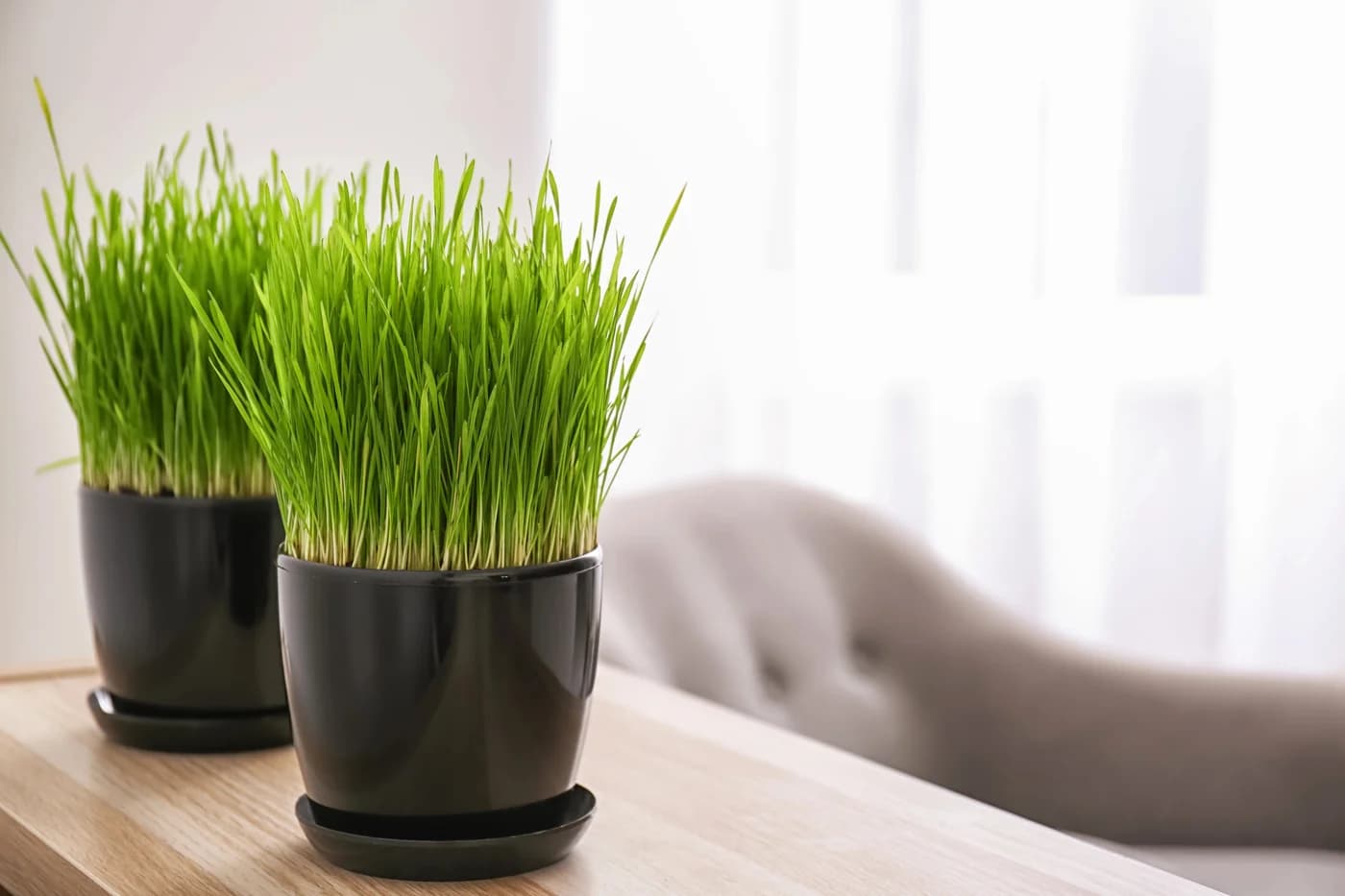
Wheatgrass is the young green shoot of the common wheat plant, harvested before the grain forms. It is sold as fresh-cut grass, pressed juice shots, frozen juice, dried powder and tablets, and it is often marketed as a concentrated "superfood" that detoxifies the body. This guide looks at what wheatgrass actually contains, what the evidence shows and how to use it safely if you enjoy it.
What wheatgrass contains
Wheatgrass contains chlorophyll, the green pigment found in all leafy plants, along with small amounts of vitamins, minerals and plant compounds. Because typical servings are small, a shot or a spoon of powder contributes far less than a generous serving of everyday vegetables such as spinach, methi or other leafy greens. Nutrient levels also vary widely between products, growing conditions and processing methods.
Fresh shots, powder and tablets
Different forms suit different people, but none guarantees purity or a health result.
- Fresh juice has a strong grassy taste and needs clean equipment, prompt refrigeration and quick use.
- Frozen shots are convenient but should be thawed in the fridge and used as the label directs.
- Powder is easy to mix into water or smoothies, but concentration varies between brands.
- Tablets are simply a measured, pressed form of the dried grass.
Whichever form you choose, follow the labelled serving. A larger amount does not give a stronger benefit and is more likely to cause nausea.
What the evidence shows
Wheatgrass has been promoted for preventing tooth decay, lowering blood pressure, easing arthritis, fighting fatigue and treating cancer. Reviews of the research note that these claims are not supported by good evidence, and wheatgrass juice has not been shown to treat cancer.
A handful of small studies have looked at specific situations, such as ulcerative colitis, people having chemotherapy and certain blood disorders. Results are preliminary or mixed and need larger, well-designed trials. Animal studies suggesting effects on cholesterol or antioxidant status do not show that a daily shot will do the same in people.
The idea that chlorophyll "cleans the blood" or removes toxins is not supported. The liver and kidneys clear waste products continuously, and no single drink is needed to help them do so.
Gluten and coeliac disease
Gluten is found in the wheat grain, not in the young leaves, so pure wheatgrass cut before seed heads form should not contain gluten. In practice, seeds, cross-contact and processing can introduce it. People with coeliac disease should only use products clearly certified gluten-free and avoid freshly grown trays or loose powders without labelling.
Hygiene and safety
Wheatgrass is grown from sprouted seeds in warm, moist conditions and juice is usually drunk raw, so mould or bacterial contamination is possible. Wash fresh grass well, clean juicers thoroughly, refrigerate juice and discard anything that smells sour or looks mouldy. People with weakened immunity, including those having chemotherapy, should avoid raw juice unless their care team agrees.
Nausea and difficulty swallowing the strong taste are the most commonly reported side effects. People who are pregnant or breastfeeding, or who take regular medicines, should speak to a doctor before using wheatgrass supplements. Tell your healthcare team about any herbal products you use.
Fitting it into a balanced routine
If you like the taste, a small serving of wheatgrass can be one of many green foods in your week. It works best as an addition to, not a replacement for, vegetables, pulses, whole grains and fruit. A bowl of palak dal, a methi paratha or a mixed vegetable sabzi will provide more fibre and nutrients than a typical wheatgrass shot, usually at lower cost.
When buying, choose a product with a clear ingredient list, serving size, batch number and expiry date. Price, colour or "detox" claims on the pack do not prove quality.
Editorial sources
Frequently Asked Questions
Related Articles
Spirulina: benefits, limits and safety
Spirulina is a blue-green supplement with protein and pigments. Learn what research shows, how to choose it safely and who should be careful.
Gluten Free Foods: A Practical Guide for Celiac Disease and Sensitivity
Indian kitchens already have a long list of naturally gluten-free options — rice, millets, pulses, and more — that can form a complete diet without.
How to Detox Body Naturally — the Honest Truth about What Actually Supports Your Liver and Kidneys
The liver, kidneys, lungs, lymphatic system, gut, and skin already remove toxins continuously — no special tea or 7-day cleanse required. See what genuinely supports that system.
