
Why You May Feel Hungry Often: Causes and What Helps
Frequent hunger usually comes from small meals, long gaps or poor sleep. Learn practical fixes and the symptoms that need a medical check.

Key Takeaways
- Small, low-protein meals and long gaps are the most common reasons for frequent hunger.
- Add dal, curd, paneer, chana or eggs and vegetables to make meals last longer.
- Poor sleep, stress and more activity can all raise appetite.
- Steroids and some antidepressants can increase appetite; never stop them yourself.
- Hunger with thirst, frequent urination or weight loss needs a diabetes check.
Feeling hungry often is usually a sign that meals are too small, unbalanced or too far apart, or that sleep, activity or stress has changed. Less often it is linked to medicines or a health condition. Noticing when hunger appears, and what comes with it, is the most useful first step.
Common everyday causes
- Small or low-protein meals: tea and biscuits for breakfast, or a plate of mostly rice with a little gravy, will not last long.
- Long gaps: a late lunch or long commute can leave you very hungry before the next meal.
- More activity: a breakfast that was enough during a quiet week may fall short once you walk or train more.
- Short or poor sleep: many people feel hungrier and find food choices harder after a bad night.
- Stress: it can push appetite up or down.
- Thirst: sometimes mistaken for hunger, though water cannot replace a meal.
Build a more satisfying plate
Add a clear protein food to the meal you already eat: dal, rajma, chana, curd, paneer, tofu or eggs. Our article on protein for cravings explains why protein helps you feel full. Add vegetables for fibre, a comfortable portion of roti, rice or another staple, and a little fat. A huge salad with little else can still leave you hungry, so the meal must contain enough food overall.
Plan around predictable gaps
If you are regularly hungry before the next meal, carry a snack. Fruit with curd, roasted chana, a handful of nuts or a small sandwich all work; see these protein-rich snacks for more ideas. There is no rule that everyone must eat every two hours or never snack. The right schedule gives you enough food and fits your day.
Sleep, stress and caffeine
Make room for adequate sleep and check whether late caffeine is cutting into it. More coffee may sharpen alertness without fixing tiredness, and persistent sleep problems deserve help. Our guide to the stages of sleep explains why good-quality rest matters.
If stress or emotions drive eating that feels out of control, or eating is followed by guilt and harsh restriction, seek support from a qualified professional. Hunger does not have to be explained away as boredom before you are allowed to eat.
Medicines and health conditions
Some medicines, including corticosteroids and certain antidepressants, can increase appetite. Tell your prescriber if hunger changed after starting or adjusting a treatment, and do not stop it yourself. Medical causes of increased appetite include diabetes, an overactive thyroid, low blood glucose, premenstrual syndrome and anxiety.
Use a short food and hunger note
For three or four days, note meal times, roughly what you ate, activity, sleep and when hunger appeared. This often reveals a skipped breakfast or extra hunger after long workouts. Change one thing, such as a fuller lunch or a planned commute snack, and review how you feel. You do not need to weigh food or count every calorie.
When to seek medical advice
See a doctor if increased appetite is new, persistent or unexplained, or if it comes with:
- increased thirst, frequent urination, blurred vision or unusual tiredness,
- unexplained weight loss despite eating more,
- other new symptoms you cannot explain.
In people taking insulin or some diabetes medicines, sudden hunger with shaking, sweating or confusion may signal low blood glucose and needs prompt action according to their treatment plan. Confusion, seizures or loss of consciousness need emergency help, and food or drink should not be given to someone who cannot swallow safely.
Editorial sources
Frequently Asked Questions
Related Articles

Protein for cravings: how protein keeps you full
Protein is one of the most reliable ways to stay full and keep cravings in check. See how a small daily habit, using everyday Indian foods, makes the.

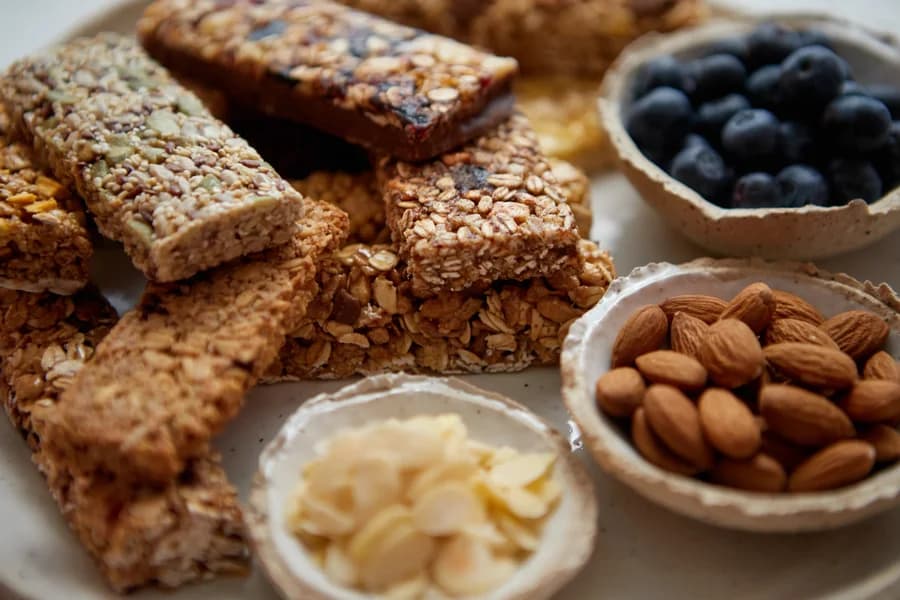
Protein-Rich Snacks: Vegetarian Ideas
A useful protein-rich snack should solve a real gap between meals, not become an extra meal added automatically.


How to Reduce Sugar Cravings: Why They Happen and What Helps
Sugar cravings are rarely just about willpower — they’re usually your body responding to blood sugar swings, poor sleep, or stress. See what actually.
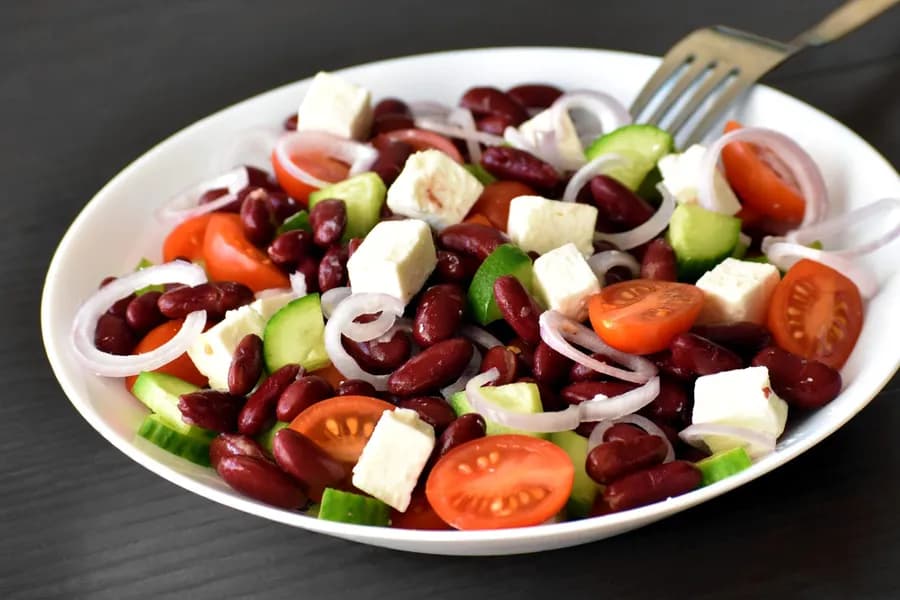
Protein-rich breakfast salad: simple vegetarian recipe
A protein-rich breakfast salad made with chickpeas, rajma, or sprouts, vegetables, peanuts, and hung curd is quick, filling, and easy to build from.