
Zero Carb Foods: What the Label Means and When It Matters
Zero carb foods are foods with no carbohydrate or such a small amount that a label may round it down.
Key Takeaways
- Truly carbohydrate-free foods are limited, especially in vegetarian diets.
- Label rounding can make a small amount of carbohydrate appear as zero.
- Low carb and nutritious are not the same claim; check fibre, protein and sodium.
- Most people do not need to remove carbohydrate completely to eat well.
Zero carb foods are foods with no carbohydrate or such a small amount that a label may round it down. Oils are genuinely carbohydrate-free, while eggs, cheese, tofu and many vegetables can contain small amounts. A zero-carbohydrate label says nothing by itself about fibre, protein, vitamins, sodium or overall food quality.
What zero really means on a label
Nutrition labels apply rounding rules and defined serving sizes. A product showing zero may still contribute carbohydrate when several servings are eaten. Read the ingredient list and total portion rather than treating the front number as an unlimited allowance.
This matters most with sweeteners, sugar-free drinks, sauces and dressings, where the stated serving can be much smaller than the amount people actually use. "Zero" describes a portion on a label, not a property of the food in any amount.
Which foods are genuinely near-zero
Very few foods contain no carbohydrate at all. Plain oils, ghee and butter are essentially carbohydrate-free, and plain water, black coffee and unsweetened tea contain negligible amounts. For non-vegetarians, plain unprocessed meat and fish are also close to zero.
Eggs contain very little, while hard cheese, paneer and tofu vary by product. Leafy vegetables, mushrooms and cucumber are low rather than zero because they contain natural carbohydrate and fibre. Their small amount should not make vegetables undesirable.
Foods commonly mistaken for zero carb
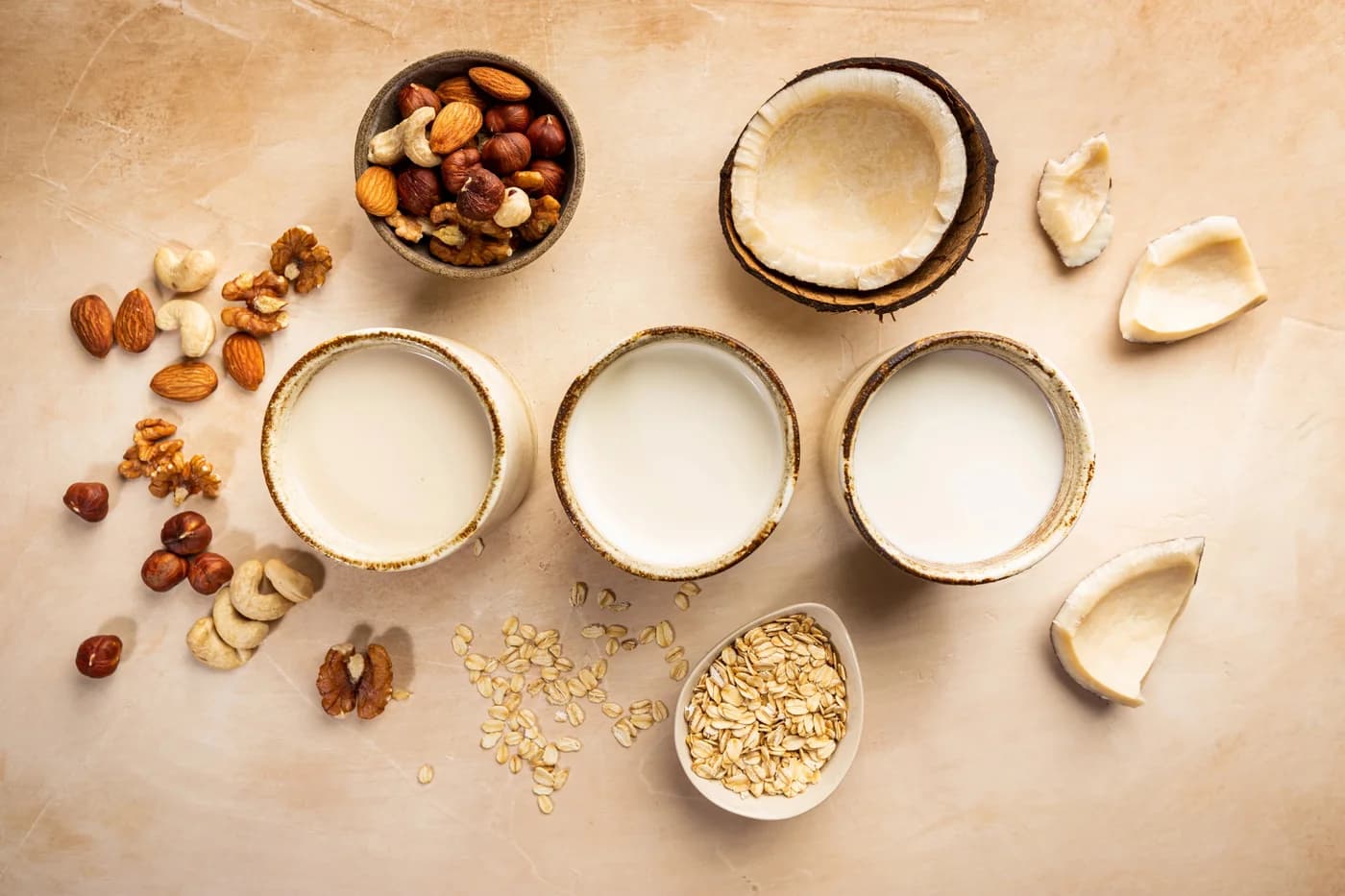
Nuts, seeds, curd, coconut, sauces and processed meat substitutes often contain carbohydrate. Flavoured yoghurt, protein bars and low-carb breads may include sweeteners, starches or fibres. Check the actual product instead of relying on a category list.
Net carbs and other label shortcuts
Net carbohydrate usually subtracts fibre and sometimes selected sugar alcohols from total carbohydrate. Definitions and digestive effects vary, and the term is not a universal medical standard. People managing diabetes should use the method recommended by their care team.
Why a zero-carb diet is rarely needed
For most people there is no health requirement to remove carbohydrate completely. Whole grains, fruit and pulses contain carbohydrate alongside fibre, vitamins, minerals and plant compounds, and the right amount depends on activity, culture, preferences, glucose management and health goals. Reducing sweet drinks, desserts and highly refined snacks is usually more practical and more sustainable than chasing absolute zero.
Where carbohydrate restriction is used medically, such as a supervised ketogenic diet for epilepsy, it is planned and monitored by a specialist team rather than built from a list of zero carb foods.
The trade-offs of eating mostly zero carb foods
A plate built only on fat and protein can become low in fibre and plant variety. Constipation is a sign to review fluids, fibre, movement and medical factors rather than simply adding more oil. Oils may be carbohydrate-free, yet adding unlimited butter or oil does not create a balanced plate, and snacks marketed as zero carb can be expensive and heavily processed.
People taking insulin or other glucose-lowering medicines should not cut carbohydrate sharply without speaking to their care team, because the risk of low blood glucose can rise. Pregnancy, kidney disease and a history of eating disorders also call for professional advice before any very restrictive plan.
Using the label sensibly
Zero carb foods are a label category, not a complete diet. Treat the zero label as one piece of information, alongside the ingredient list, serving size, fibre, protein, sodium and how processed the product is. Often the most useful choice is the least processed option that meets your actual need.
Editorial sources
Frequently Asked Questions
Related Articles
Low Carb Diet Foods List for Everyday Indian Meals
A low carb foods list shifts your plate toward protein, vegetables, and healthy fats, while going easy on rice, roti, and sugar. See what to stock up on.

Indian Keto Diet Meal Plan: A Sample Day and Food List
An Indian keto meal plan swaps rice and roti for healthy fat, moderate protein, and under 50g of carbs a day. See the macros, a sample day, and what to.
High Protein Vegetarian Foods: The Complete Indian Food List
Indian kitchens are already full of high protein vegetarian foods — dals, paneer, tofu, soy, and dairy. See the complete list, with protein counts, and.
