
Arnica Homeopathic Medicine: Uses, Evidence and Important Differences
Arnica products differ in concentration and purpose. Learn what that means for bruising claims, skin use and safe injury care.

Key Takeaways
- Homeopathic pellets and herbal arnica creams are different products.
- Reliable evidence has not shown homeopathic arnica treats bruises or injury.
- Concentrated arnica can be toxic if swallowed.
- Severe pain, unexplained bruising or loss of function needs assessment.
Arnica is often recommended for bruises, soreness or recovery after a procedure. The name appears on very different products, from highly diluted homeopathic pellets to herbal creams. Those differences matter. Reliable evidence has not established homeopathic arnica as an effective treatment for injury, and concentrated arnica can be harmful if swallowed. Before deciding whether it has a place in your care, understand which product is being discussed.
One name, several products
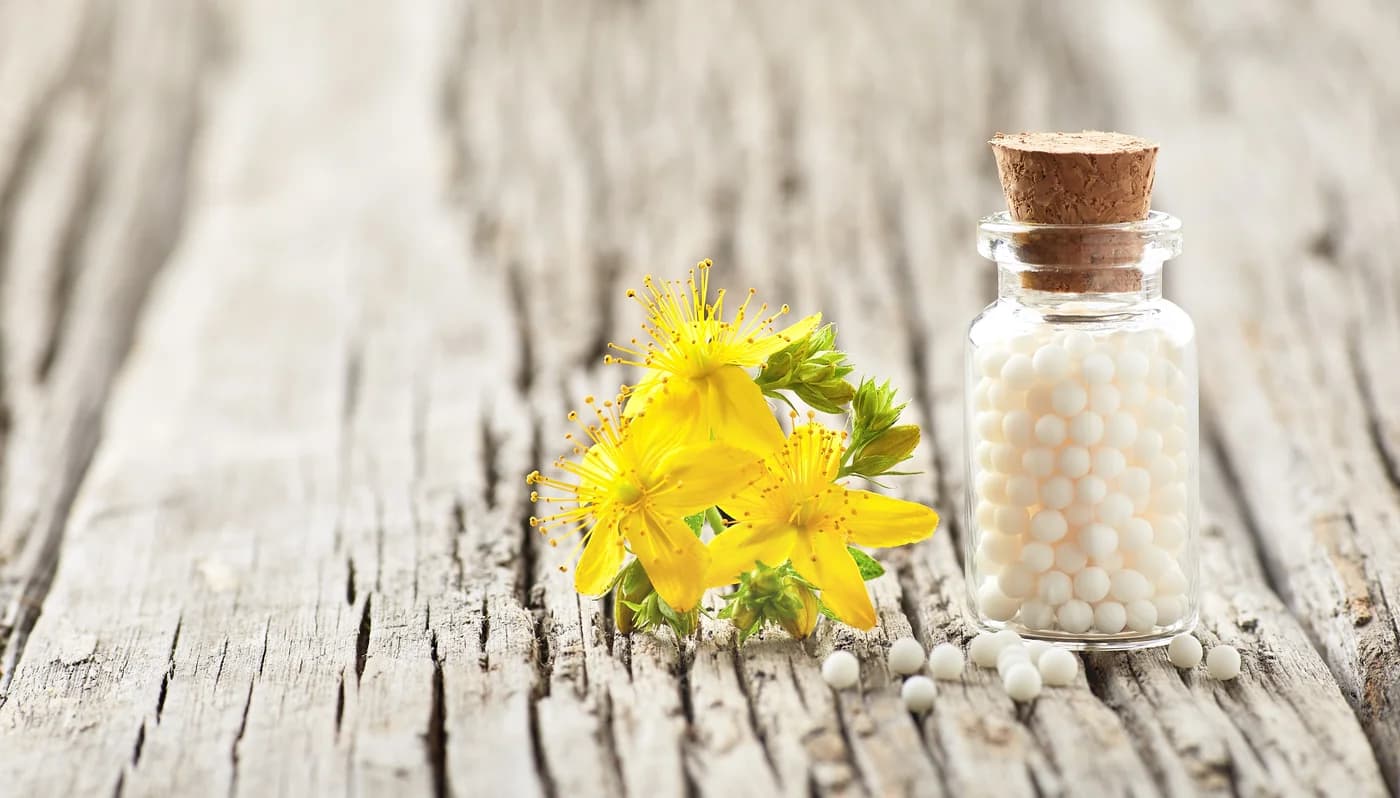
Arnica montana is a flowering plant. A herbal preparation contains plant material or extract. A homeopathic preparation is made using repeated dilution and shaking, based on the principles of homeopathy. At very high dilutions, little or none of the original substance may remain.
A cream described as arnica may contain a herbal extract, a low dilution or a combination of ingredients. A tablet or pellet labelled homeopathic is not the same as a conventional painkiller. You cannot apply research about one preparation to every bottle with arnica on it.
Arnica is also not a nutrient or a food source for a deficiency. There is no dietary need to consume it, and it does not belong in a meal plan. Advice to add arnica to food or use a small serving every day confuses a medicinal product with an ingredient.
What is it claimed to help?
Advertisements commonly mention bruising, swelling, muscle pain and recovery after dental work or surgery. Some small studies report benefits, while others do not. Differences in product, study quality and the way symptoms are measured make the overall picture uncertain. That uncertainty should be reflected in advice rather than turned into a promise of faster healing.
Homeopathy as a whole has not shown reliable evidence of effectiveness for health conditions. A personal experience of feeling better can be real without showing that the product caused it. Bruises fade, soreness settles, rest helps and other treatments may be used at the same time. A fair comparison needs to account for those changes.
This does not mean dismissing discomfort. It means choosing care that matches the injury and has a clearer chance of helping. A minor bump and a painful, deformed wrist need different responses, even if both leave a bruise.
Why bruises can be misleading
A bruise forms when small blood vessels leak under the skin. Its colour changes as the blood breaks down. The visible mark may look dramatic while the injury is minor, or a deeper injury may cause more pain than the surface suggests. Colour alone cannot tell you whether a cream has worked or whether an injury is safe to ignore.
For an uncomplicated minor bruise, protect the area and use a wrapped cold pack for short periods during the early stage. Avoid pressing hard or aggressively massaging a fresh injury. Resume comfortable movement gradually. Pain relief may be useful, with the choice depending on your health and other medicines.
Large unexplained bruises, repeated bruising without a clear cause, or bruising while taking blood-thinning medicine deserve attention. So do a head injury, severe pain, increasing swelling, numbness or difficulty using the affected limb. Arnica should not delay assessment of those problems.
Herbal arnica is not harmless to swallow
Concentrated arnica teas, tinctures and extracts can be toxic by mouth. They can cause serious digestive and other effects. Do not assume that a plant-based remedy is safe to drink, or that instructions for a diluted homeopathic product apply to a concentrated extract.
Highly diluted products may contain little active plant material, but that does not establish benefit or guarantee the quality of every product. Lower dilutions can contain measurable ingredients. A liquid may also contain alcohol, and pellets commonly use sugar-based carriers. The word natural does not resolve these differences.
If someone accidentally swallows a topical product or concentrated preparation, seek poison or medical advice promptly and keep the packaging available. Do not induce vomiting or try another home remedy to counteract it. Children should not have access to these products as if they were sweets.
What about applying it to skin?
Some people use herbal arnica gels on intact skin. The evidence for particular products and uses remains limited, and irritation or allergic dermatitis can occur. People sensitive to plants in the daisy family may be more likely to react. Stop if redness, itching or a rash develops.
Avoid broken skin, open wounds, the eyes and the mouth. A product intended for skin should not be swallowed. After surgery, follow the wound-care instructions from the treating team; adding a cream around an incision can introduce an unnecessary irritant. A request to avoid a product during healing is not something to override because it is herbal.
Pregnancy and breastfeeding require particular caution with oral herbal arnica. Use in a child also needs a product-specific decision. There is no sensible universal instruction to use arnica daily for general wellness.
A better way to plan recovery
Ask first what you are recovering from. New exercise soreness usually needs a manageable training load and recovery time. An injury may need rehabilitation. Persistent joint pain may have a cause that requires treatment. The product name should not become the diagnosis.
Once an injury has been assessed, a gradual return to activity can help rebuild confidence and function. Habuild's strength training guides may be useful for general movement ideas when they fit your recovery stage. They do not replace an injury-specific rehabilitation plan.
If arnica is already part of your routine, do not judge it only by whether symptoms eventually improve. Consider the expected natural recovery and the other care you are receiving. The useful outcome is comfortable movement and proper healing. You do not need to add an unproven remedy simply because someone else used it after a similar injury.
Editorial sources
Frequently Asked Questions
Related Articles

How to Reduce Muscle Soreness After a Workout
Muscle soreness is the body's repair signal, not a stop sign — active recovery, sleep, protein, and structured movement keep it manageable. See every meaningful recovery method.

Homeopathic Medicine for Deep Sleep: Does It Work?
Homeopathic medicine for deep sleep is low-risk and popular in Indian households, but the clinical evidence behind it is genuinely weak. See where it can reasonably fit into a sleep routine.

Neck Exercises for Pain Relief: Stretches, Routines & What Actually Works
Stretches, mobility drills, and isometric holds reduce neck tension and restore range of motion, with noticeable improvement within two to three weeks. See the routines that actually work.