
Homeopathic Medicine for Deep Sleep: Does It Work?
Homeopathic medicine for deep sleep is low-risk and popular in Indian households, but the clinical evidence behind it is genuinely weak. See where it can reasonably fit into a sleep routine.
Key Takeaways
- Names Coffea Cruda specifically for a racing, overactive mind that won’t switch off.
- States remedies are chosen by symptom character and personality, not one generic sleep remedy.
- States systematic reviews generally found no consistent effect beyond placebo for homeopathy.
- Distinguishes Nux Vomica for stress-driven sleeplessness from Ignatia Amara for grief-linked cases.
- Frames the ritual and placebo response itself as a real, if not pharmacological, effect.
- States classical homeopathic remedies are highly diluted and generally considered low-risk.
Homeopathic medicine for deep sleep is a popular home-cabinet option in India, especially for families who prefer to avoid pharmaceutical sleeping pills — but it’s worth understanding honestly what the evidence does and doesn’t support before relying on it.
Commonly used homeopathic medicine for deep sleep
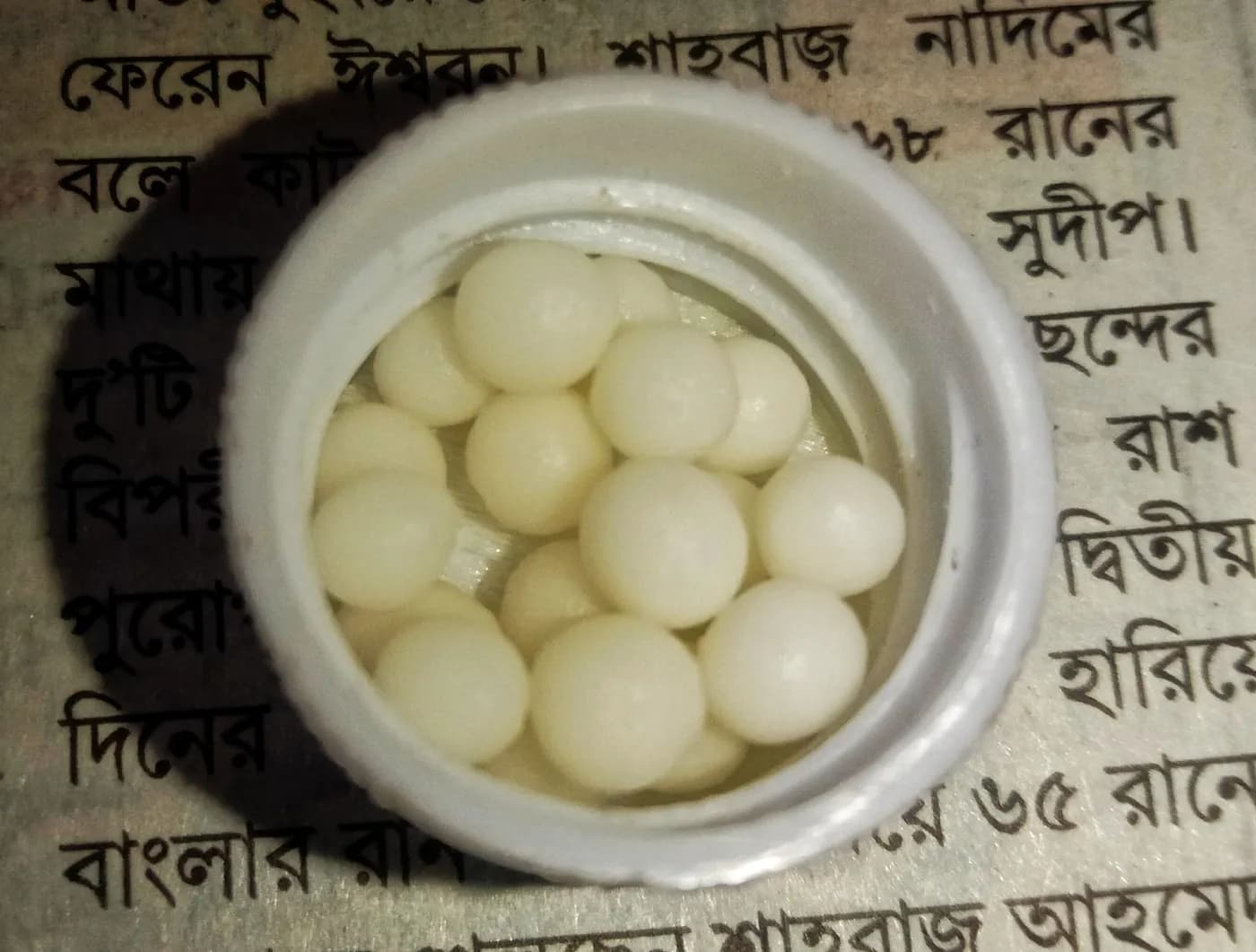
- Coffea Cruda — recommended for a racing, overactive mind that won’t switch off at bedtime
- Passiflora Incarnata — used for general restlessness and anxiety-linked sleeplessness
- Nux Vomica — commonly suggested for sleep disturbed by stress, overwork, or too much stimulant intake
- Ignatia Amara — used for sleeplessness linked to emotional upset or grief
- Kali Phosphoricum — a commonly recommended remedy for sleeplessness from mental exhaustion or nervous strain
These are usually taken as low-dose pellets under the tongue, selected based on the specific character of the sleeplessness rather than one generic “sleep” remedy, which is a core principle of how homeopathic medicine for deep sleep is traditionally prescribed.
How homeopathic medicine for deep sleep is actually chosen
Unlike conventional deep sleep medicine, where a doctor typically prescribes based on a diagnosis, homeopathic remedies are selected by matching a detailed picture of symptoms — the specific quality of the sleeplessness, what seems to trigger it, and even personality traits — to a corresponding remedy profile. This is why two people with what looks like the same problem (trouble falling asleep) might be given entirely different remedies: one whose mind races with unresolved arguments might be pointed toward Nux Vomica, while another whose sleeplessness follows grief or emotional shock might be given Ignatia Amara instead. Homeopathic practitioners consider this individualisation central to how homeopathic medicine for deep sleep is meant to work, even though it isn’t something mainstream pharmacology recognises as clinically meaningful.
Deep sleep supported by homeopathic medicine for deep sleep
What the evidence actually shows
This needs to be said plainly: the clinical evidence for homeopathic remedies, including for sleep, is very weak by mainstream scientific standards. Systematic reviews have generally found no consistent effect beyond placebo. That doesn’t mean people don’t feel it helps them — the ritual of taking a remedy, and the placebo response itself, are real psychological effects that can genuinely ease mild sleeplessness for some people. But it’s important not to mistake that for pharmacological action on sleep architecture the way an actual sedative or a well-evidenced herb like valerian has.
Where homeopathic medicine for deep sleep can reasonably fit in
For mild, occasional sleeplessness where the main goal is a calming bedtime ritual rather than a strong sedative effect, homeopathic medicine for deep sleep is low-risk (classical homeopathic remedies are highly diluted and generally safe) and some people do find it genuinely soothing as part of a routine. If you want a natural remedy with considerably more research behind its actual mechanism, ayurvedic medicine for sleep — particularly herbs like ashwagandha and jatamansi — has a stronger evidence base for people specifically looking for a non-pharmaceutical option with demonstrated physiological effects.
Homeopathic medicine for deep sleep vs. other natural options
If your main goal is genuinely improving deep sleep rather than a calming ritual, it’s worth being clear-eyed about how homeopathic medicine for deep sleep stacks up against alternatives with more established mechanisms. Magnesium, for instance, has real evidence for supporting the nervous system’s ability to relax, and certain Ayurvedic herbs have shown measurable effects on cortisol and sleep quality in clinical studies. None of this makes homeopathic remedies harmful or “wrong” to use — the low risk and the ritual value are both genuine — but it does mean expectations should be calibrated: for a strong, measurable improvement in deep sleep specifically, remedies with an established pharmacological mechanism are more likely to deliver it.
Who should be cautious
Homeopathic remedies are generally very low-risk given their high dilution, but anyone relying on them as their sole approach to a persistent or worsening sleep problem should be cautious — the real risk isn’t the remedy itself, but delaying proper diagnosis or treatment for an underlying issue like anxiety, depression, or sleep apnea. Homeopathic medicine for deep sleep should be treated as a gentle, low-stakes addition to a routine, not a substitute for medical evaluation if sleeplessness is severe or long-running.
Frequently Asked Questions
Related Articles

How to Stop Snoring: 7 Proven Ways for Quiet, Restful Sleep
Snoring signals a partly blocked airway during sleep, and most cases are caused by lifestyle, posture, and breathing patterns you can change. See 7 proven ways for quiet, restful sleep.

Why Is Sleep Important? Benefits for Your Body and Mind
Why is sleep important? It's an active process your body uses for memory, immune function and emotional regulation, not just rest. See what actually happens overnight, and why cutting it short costs more than it seems to save.
Mudra for Insomnia: Hand Gestures That Support Better Sleep
Each finger represents one of the five elements, and joining specific fingers is said to balance these elements and shift the body toward calm before
