
Daily Health Tips: Meals, Movement, Sleep and Preventive Care
Simple daily health tips for food, movement, sleep, stress and check-ups, with clear targets and a plan for days that go wrong.
Key Takeaways
- Build meals from familiar dishes plus a vegetable and a protein source.
- Aim for 150 minutes of moderate activity a week and strength work twice.
- Most adults need 7 or more hours of sleep; snoring with pauses needs a check.
- Keep up check-ups, avoid tobacco and drink less alcohol, or none.
- Start with one small habit and keep a lighter backup version for hard days.
Good health usually comes from repeated basics rather than a perfect routine or a single superfood. The habits with the strongest evidence are balanced meals, regular movement, enough sleep, looking after your mental wellbeing, preventive check-ups, and avoiding tobacco and excess alcohol. Start small enough that you can keep going.
Build meals from what you already eat
A balanced meal does not have to look like a diet-app photo. Dal with rice, sabzi and curd works. So does roti with chana and a cooked vegetable. WHO recommends at least 400 g of fruit and vegetables a day, keeping free sugars low and limiting salt to under 5 g a day. In practice that means:
- adding a vegetable or salad to lunch and dinner
- including a protein source such as dal, curd, paneer, tofu, sprouts or eggs at most meals
- choosing water over sweetened drinks
- going easy on fried snacks, pickles and packaged salty foods
If breakfast is rushed, keep simple options ready, such as curd with fruit or a besan chilla. Eat enough for your needs; restriction is not the same as health. For a worked example of a week of meals, see our balanced diet chart for a week.
Move a little more, most days

The NHS advises adults to do at least 150 minutes of moderate activity a week, or 75 minutes of vigorous activity, plus muscle-strengthening work on two or more days, and to break up long periods of sitting. Moderate activity makes you breathe faster while you can still talk.
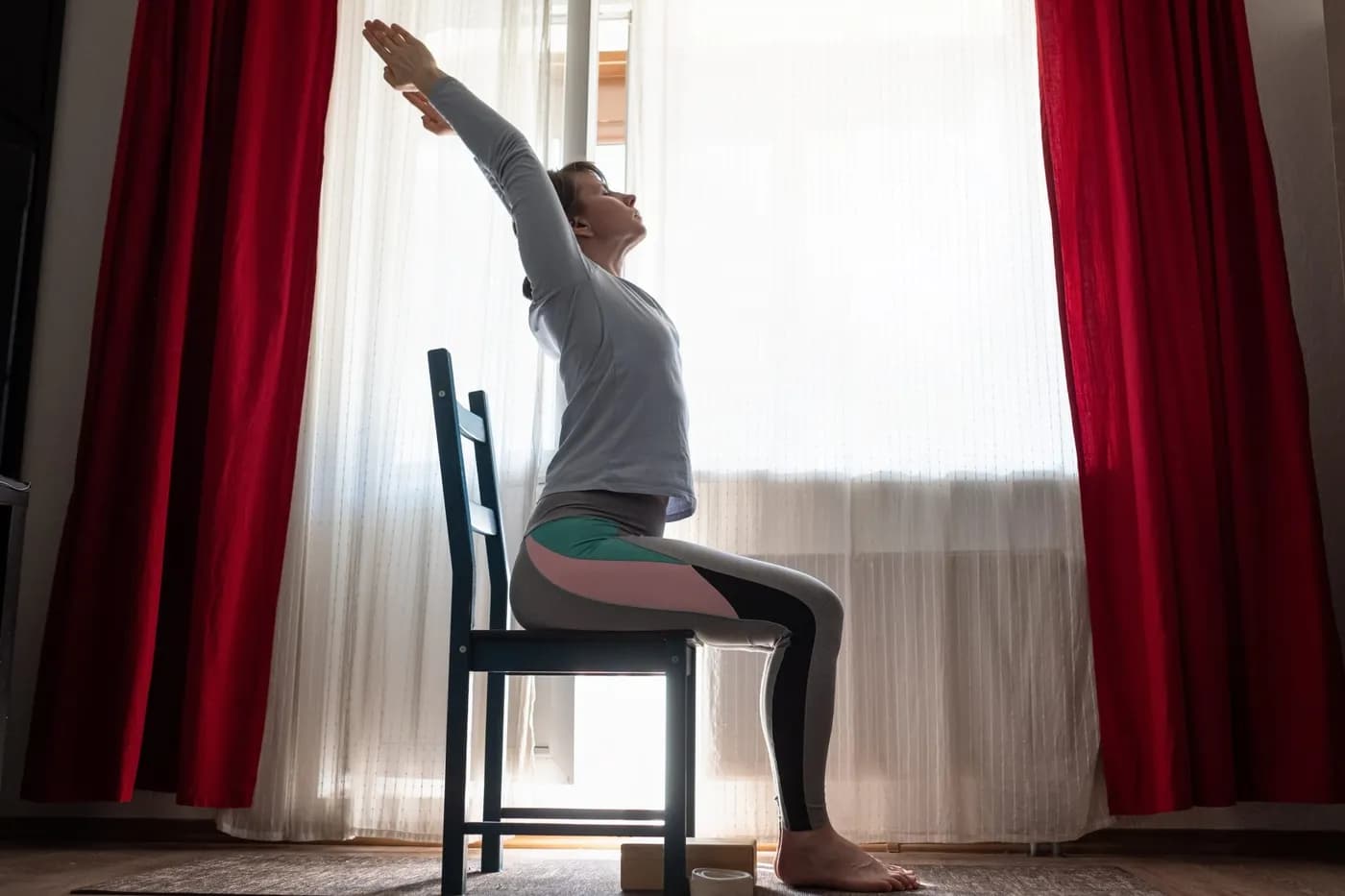
You do not need an intense workout to begin. A ten-minute walk after meals, a yoga session or a few bodyweight exercises at home all count. Our guide to the benefits of walking shows how much a simple daily walk can add. Increase time or effort gradually, and stop and seek advice if you get chest pain, fainting or unusual breathlessness.
Protect your sleep
The CDC recommends 7 or more hours of sleep a night for adults aged 18 to 60. A steady wake-up time, keeping tea and coffee to earlier in the day, and putting the phone down a little before bed all help. One late night is not a failure; look at the repeated pattern. Loud snoring with breathing pauses, or severe daytime sleepiness, deserves a medical check. Our sleep hygiene guide covers more habits that support rest.
Make room for mental wellbeing
Health tips should include how you are coping, not just food and step counts. The NHS suggests five steps for mental wellbeing: connect with other people, be physically active, learn new skills, help others and pay attention to the present moment. A short call with a friend, a quiet break or a hobby you enjoy can all be part of the day.
If anxiety, low mood or stress is persistent or interfering with life, seek support. Booking an appointment or telling someone you trust that you are struggling is a practical health action.
Preventive care without panic
- Keep vaccinations and dental check-ups up to date.
- Have your blood pressure checked even when you feel well.
- Ask a doctor which screening tests suit your age, family history and risk factors, rather than buying every test package.
- Avoid tobacco in all forms; WHO reports it kills more than 7 million people each year, including people exposed to second-hand smoke.
- If you drink alcohol, drinking less lowers risk.
Seek care promptly for new chest pressure, persistent bleeding, unexplained weight loss or severe pain. A habit checklist is not a substitute for medical assessment.
Keep medicines and supplements visible
Take prescribed medicines as directed and keep an updated list that includes over-the-counter products and supplements. Different products can contain the same nutrient or interact with each other. Do not add a supplement just because an online symptom list mentions tiredness or hair fall; those symptoms have many possible causes that a clinician can help sort out.
Turn tips into habits that last
Choose one action you can describe clearly, such as "walk for ten minutes after dinner on three days this week". Link it to something you already do, and make it easy: keep shoes near the door or wash vegetables in advance. Track whether you did it, not whether you felt motivated. Our guide to daily habits that stick has more ideas on anchoring habits.
Have a backup for difficult days
Plan a lighter version of each habit. If a long walk is impossible, take a short one or simply break up sitting. If cooking is hard, use a familiar quick meal. Rest is the right choice when you are ill. Once a week, review what got in the way and adjust the plan. Progress means the routine is getting easier to repeat, not keeping a perfect streak.
Editorial sources
Frequently Asked Questions
Related Articles

Sleep Hygiene: The Daily Habits Behind Better Sleep
Sleep hygiene is the cumulative, unglamorous consistency of daily habits, not a single fix. See the core habits that matter most, and the ones most people overlook.


10 Benefits of Walking 30 Minutes a Day for Health, Fitness, and Weight Loss
The trick isn't to walk longer, it's to walk daily, at the right pace, with consistency over months. See all 10 benefits for health, fitness, and weight loss.

Balanced Diet Chart for a Week: A Practical Example for Indian Households
A balanced diet chart is easiest to understand as a template, not a timetable — a way of thinking about protein, fibre, carbs, and fat across your meals..
