
How Long Can You Survive Without Food but With Water?
Survival reports do not define a safe fasting limit. Learn the risks of prolonged poor intake and why recovery may need supervision.
Key Takeaways
- No dependable number of days applies to everyone.
- Serious harm can develop long before survival limits.
- Water does not supply energy, protein or vitamins.
- Restarting food after a long fast may need medical supervision.
There is no dependable number of days that applies to everyone. People have survived for weeks without food in some reported circumstances, but serious harm can develop much earlier. Water does not supply energy, protein, vitamins or the full balance of minerals the body needs. A survival estimate is therefore a poor guide to what is safe, whether food is unavailable or someone is unable to eat because of illness.
Why reports cannot give you a safe deadline
Accounts of hunger strikes, disasters and severe illness involve very different people and conditions. Starting nutritional status, age, temperature, activity, disease and medicines can all affect the outcome. Some reports also involve medical supervision or nutritional support that is not obvious from a headline.
Surviving is not the same as remaining well. A person may develop dangerous problems while still awake and able to walk. Higher body weight does not guarantee protection because stored body fat cannot supply every essential nutrient. Lean tissue, the heart and normal body functions can be affected too.
There is no ethical way to run a study that deliberately starves people to find a universal limit. The available evidence cannot provide a personal countdown. If someone has stopped eating, the useful question is why and what support they need now.
What changes when food stops?
The body initially draws on readily available fuel stores, then increasingly uses stored fat and other tissues. It adapts in several ways to conserve energy. These changes help explain survival, but they do not make prolonged deprivation harmless or turn it into a detoxification process.
Protein is needed for tissues and many essential functions. Vitamins and minerals help the body use energy and maintain normal nerve, muscle and heart activity. Without sufficient intake, weakness and nutritional problems can develop. The balance of fluids and electrolytes can also become disturbed.
Hunger may fluctuate rather than steadily intensify. Feeling less hungry does not show that the body has become safe without food. Similarly, early weight loss includes changes in fluid and stored fuel, not simply loss of unwanted body fat. A rapidly falling scale is not proof of a healthy outcome.
Drinking water does not solve the nutritional problem
Water is essential, but it does not replace a meal. It contains no meaningful energy or protein, and ordinary water does not provide a complete supply of electrolytes. Drinking excessive amounts can itself disrupt sodium balance. Do not try to manage prolonged food deprivation by forcing fluids or mixing homemade electrolyte recipes.
Vomiting, diarrhoea, fever or heat exposure can make the situation more dangerous. Someone may be drinking yet still be dehydrated or unable to retain fluids. Medicines such as insulin can also create specific risks when food intake changes sharply. A treatment plan that assumes regular meals may need urgent review.
Children, pregnant people, older adults and people with chronic illness can become vulnerable sooner. They should not be compared with an adult survival story. Even a generally healthy person cannot use someone else's experience to predict their own tolerance.
Symptoms that need help now
Fainting, confusion, chest pain, palpitations, severe weakness or difficulty staying awake require urgent medical assessment. So does an inability to keep fluids down or very little urine. These signs are more useful than waiting for a certain day to arrive.
Unplanned weight loss, loose clothing, reduced strength and ongoing lack of appetite are reasons to seek help before an emergency develops. Malnutrition can occur at different body sizes. You do not need to look extremely thin to have a serious nutrition problem.
If someone has eaten very little for several days, contact a healthcare service rather than simply encouraging a large meal. NICE guidance treats more than five days of little or no intake as a point requiring careful consideration of nutrition support. That is not a safe fasting allowance; it is a clinical warning about assessment and recovery.
Why restarting food can need supervision
After substantial undernutrition, the body can react dangerously when feeding resumes. Shifts in electrolytes and fluid can affect organs, including the heart. This is called refeeding syndrome. Risk depends on the person's condition and the duration and severity of inadequate intake.
Someone at risk may need blood tests, vitamins and a monitored nutrition plan. The appropriate approach cannot be reduced to a do-it-yourself schedule of juices and small bites. Do not make a weak person wait for further weight loss before seeking care, and do not assume that eating a very large meal will quickly undo the problem.
Ordinary brief appetite changes are different from prolonged severe restriction. Missing lunch and then eating dinner is not automatically refeeding syndrome. The important point is to recognise significant deprivation and get a plan suited to the situation.
Find what is preventing eating
Illness, swallowing problems, dental pain, nausea, depression and lack of access to food can all reduce intake. Addressing the barrier matters as much as discussing nutrients. A person with mouth pain may need treatment and softer food; someone without groceries needs practical access to meals.
If food insecurity is the issue, reach out to trusted people and local community meal services, public health services or social support organisations. Ask directly for help obtaining food rather than treating the situation as an endurance test. If restriction is intentional and feels difficult to stop, medical and mental-health support can help without judgement.
During a shorter illness, tolerated small meals and nourishing drinks may help, but persistent inability to eat needs assessment. Soup alone may supply little protein or energy unless it contains ingredients such as dal, beans, dairy or another suitable food. The plan should match appetite, swallowing safety and the underlying illness.
The answer worth acting on
Reports of survival without food are descriptions of exceptional circumstances, not goals or safety instructions. Water can prevent one problem while energy and nutrient deprivation continue. If the question concerns you or someone who is currently eating very little, focus on timely help, the cause and safe nutritional recovery. There is no need to discover a personal survival limit before taking the situation seriously.
Editorial sources
Frequently Asked Questions
Related Articles

Water Fasting: What the Evidence Shows, Risks and Safer Options
Water fasting causes fast scale changes, but much of the loss is water and lean tissue. Learn what research shows, the risks and safer options.


Coffee During Fasting: What Is Allowed and When
Black coffee usually fits an intermittent-fasting window, but milk and sugar break it, and blood-test fasts allow only plain water.

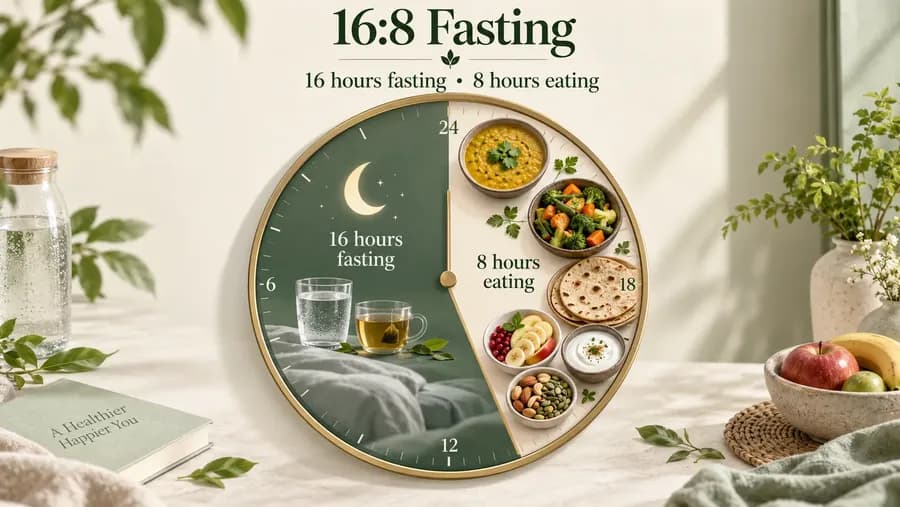
16:8 Intermittent Fasting: Evidence, Meals and Safety
How the 16:8 eating window works, what trials actually show, what to eat inside the window, and who should not try it.
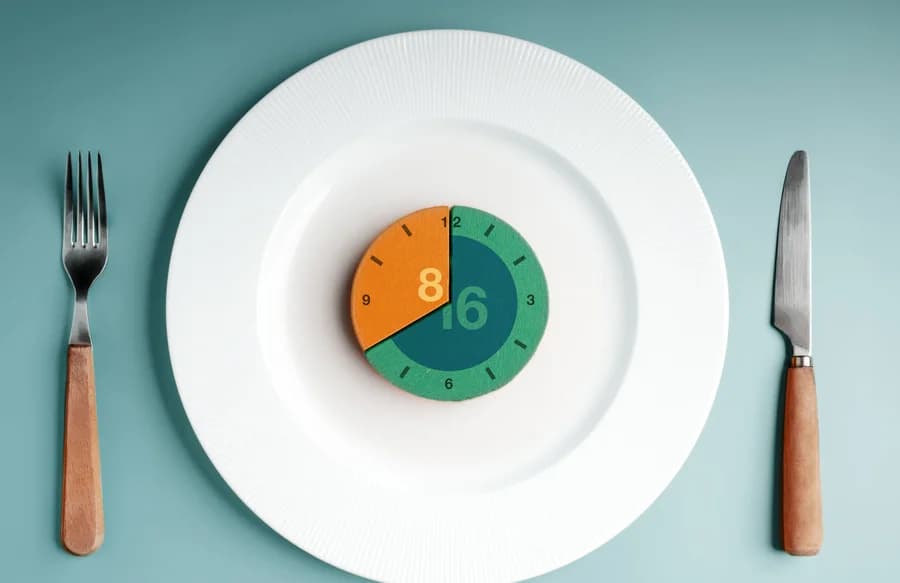
Intermittent Fasting: A Simple and Practical Guide
Intermittent fasting is a common wellness topic, but simple routines and realistic expectations matter more than quick fixes. Learn realistic benefits, simple uses, portions and safety in easy…