
Water Fasting: What the Evidence Shows, Risks and Safer Options
Water fasting causes fast scale changes, but much of the loss is water and lean tissue. Learn what research shows, the risks and safer options.

Key Takeaways
- In 5-20 day fasts, about two-thirds of the weight lost was lean mass, not fat.
- Metabolic gains seen in trials had faded 3-4 months after normal eating resumed.
- Risks include dizziness, low blood glucose, salt imbalances and refeeding syndrome.
- The liver and kidneys clear waste daily; a water fast is not needed to detox.
- Avoid it in pregnancy, eating disorders, kidney disease or on diabetes medicines.
Water fasting means drinking only water and eating no food for a set period, from a day to several days or longer. Studies show rapid weight loss, but much of it is water and lean tissue, and the metabolic changes seen in trials tend to fade once normal eating resumes. Prolonged water fasting carries real medical risks and is not a detox.
What happens to your weight
When you stop eating, the body first uses its stored glycogen, which is held together with water. Less food in the gut also lowers the scale. That is why weight drops quickly in the first days, and why much of it returns when eating restarts.
What the research shows
- A 2024 review of human trials in Nutrition Reviews found that fasting for 5 to 20 days produced weight loss of about 2 to 10%, with roughly two-thirds of the loss coming from lean mass and one-third from fat.
- Blood pressure consistently fell, but effects on cholesterol were mixed, and glucose markers did not improve in people with type 1 or type 2 diabetes.
- In trials that followed people up, the metabolic benefits were no longer seen 3 to 4 months after the fast, even when weight loss was maintained.
- A 2026 meta-analysis of 49 studies found that prolonged fasting reduced fat mass but also caused substantial losses of fat-free mass and body water.
Lean or fat-free mass includes muscle, organs and water, so not all of it is muscle, but the scale clearly overstates fat loss. Many study participants were also screened and supervised, unlike someone fasting alone at home.
The medical risks
Side effects reported in trials included headaches, insomnia, hunger and metabolic acidosis. Other risks include:
- Dizziness and low blood pressure, especially on standing
- Low blood glucose in people taking insulin or other glucose-lowering medicines; NIDDK describes hypoglycaemia as the number one fasting risk in diabetes
- Dehydration if fluid intake falls, and disturbed body salts during longer fasts
- Loss of muscle and strength, which makes exercise and daily tasks harder
- Problems with medicines that must be taken with food
Refeeding syndrome
After a long period of very little food, restarting eating too quickly can cause dangerous shifts in body salts such as phosphate, potassium and magnesium. This is called refeeding syndrome. It is most likely in people who are underweight or malnourished, and it is one reason prolonged fasts need medical supervision. If you have already gone a long time with very little food, ask a doctor how to restart safely.
Water fasting is not a detox

Your liver, kidneys, lungs and gut process waste every day, and there is no evidence that a water-only fast is needed for them to work. Headaches or weakness during a fast are not proof that toxins are leaving; they may be signs that something is wrong. NCCIH notes that the evidence for detox and cleanse programmes is limited and that some carry risks. Our guide on how to detox your body explains what genuinely supports these organs.
Autophagy claims need context
Autophagy is a normal process in which cells recycle some of their own components. Fasting affects it in research, mostly in animals. That does not establish a fasting duration that prevents disease or extends life in people, and it is not a reason to delay medical care or stop treatment.
Who should not try water fasting
- Pregnant or breastfeeding women
- Children and adolescents
- Anyone with a current or past eating disorder
- People taking insulin or other glucose-lowering medicines
- People with kidney disease, heart conditions, frailty or low body weight
- Anyone on medicines that must be taken with food
Religious fasts have their own meaning; medicine timing and health exemptions can be discussed with a clinician and a faith adviser.
Safer ways to reach your goal
If your aim is weight loss, a modest plan you can keep for months works better than days without food:
- Build meals around vegetables, pulses, whole grains, fruit and enough protein
- Aim for a gentle calorie deficit rather than eating nothing
- If you like structure around meal timing, a 16:8 eating window is far milder and keeps food in your day
- Add regular movement and strength training to protect muscle
Stop any fast and seek urgent care if you feel faint or confused, or have chest pain, persistent vomiting or severe weakness.
Editorial sources
- Efficacy and safety of prolonged water fasting: a narrative review of human trials, Nutrition Reviews 2024 (PubMed)
- Duration-dependent changes in body composition during prolonged fasting: systematic review and meta-analysis, Nutrition Reviews 2026 (PubMed)
- NIDDK: Fasting safely with diabetes
- NCCIH: Detoxes and cleanses, what you need to know
Frequently Asked Questions
Related Articles

16:8 Intermittent Fasting: Evidence, Meals and Safety
How the 16:8 eating window works, what trials actually show, what to eat inside the window, and who should not try it.


Calorie Deficit Diet: Meaning, Meals and Sustainability
A calorie deficit occurs when average energy intake is lower than energy use. It can support weight loss when the gap is modest and meals stay nourishing.

How to Detox Body Naturally — the Honest Truth about What Actually Supports Your Liver and Kidneys
The liver, kidneys, lungs, lymphatic system, gut, and skin already remove toxins continuously — no special tea or 7-day cleanse required. See what genuinely supports that system.

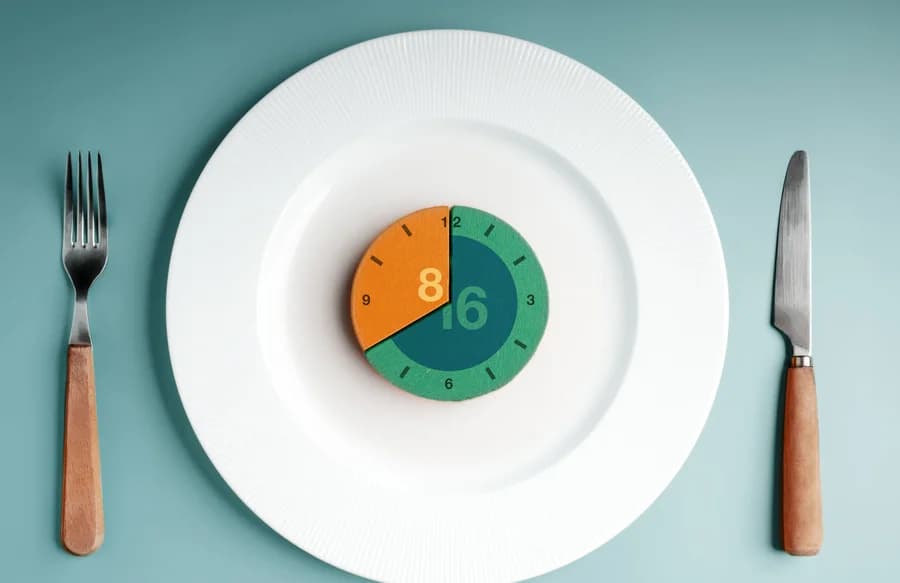
Intermittent Fasting: A Simple and Practical Guide
Intermittent fasting is a common wellness topic, but simple routines and realistic expectations matter more than quick fixes. Learn realistic benefits, simple uses, portions and safety in easy…
Electrolyte Rich Foods: Natural Sources for Everyday Hydration
For everyday hydration, electrolyte rich foods usually do the job just as well as a sports drink — often with less added sugar. See the best natural.