How to Maintain Blood Pressure: 7 Daily Habits That Keep Your Numbers in the Healthy Range
150-300 minutes of weekly moderate aerobic activity plus stress reduction form the foundation of lifestyle-based blood pressure management, per WHO
Key Takeaways
- The AHA and WHO recommend 150-300 weekly minutes of moderate aerobic activity.
- Brisk walking is the single most-studied blood-pressure-lowering exercise, at 40+ minutes daily.
- Meaningful systolic reduction often appears within 8-12 weeks of consistent walking practice.
- Sustained lifestyle change can sometimes lead to medication reduction, under medical supervision.
- The kidneys are particularly sensitive to elevated blood pressure over the long term.
- Sustained high blood pressure specifically damages small brain vessels, raising dementia risk.
Blood pressure is one of the most lifestyle-responsive health markers in the body and one of the strongest predictors of long-term cardiovascular health. Daily exercise, smart eating, stress management, and good sleep can lower elevated blood pressure meaningfully within weeks, and maintain healthy blood pressure across decades. Per the American Heart Association on high blood pressure management and the WHO Physical Activity Guidelines (2020), 150–300 minutes of weekly moderate aerobic activity plus stress reduction practices form the foundation of lifestyle-based blood pressure management.
This guide explains how to maintain blood pressure through proven daily habits, the best exercise for high blood pressure specifically, exercise to reduce blood pressure for those with elevated readings, and the best exercise for hypertension management.
Benefits of Maintaining Healthy Blood Pressure
- Lower Heart Attack and Stroke Risk — The most direct benefit. Healthy blood pressure is among the strongest predictors of long-term cardiovascular safety far more impactful than most people realise across decades.
- Reduced Risk of Kidney Disease — The kidneys are particularly sensitive to elevated blood pressure. Healthy BP protects long-term kidney function and reduces the risk of chronic kidney disease, one of the most under-recognised consequences of uncontrolled hypertension.
- Better Cognitive Function and Lower Dementia Risk — Sustained high blood pressure damages small blood vessels in the brain, raising dementia risk over decades. Maintaining healthy BP protects long-term cognition and the brain benefits compounds across life.
- Improved Energy and Daily Wellbeing — Blood pressure that’s well-controlled (rather than just medicated to acceptable levels) translates to steadier daily energy and reduced symptoms like headaches, dizziness, and fatigue.
- Reduced Need for Medication (Over Time, with Doctor) — Sustained lifestyle change sometimes leads to medication reduction always under medical supervision. The reduction is gradual, tracked across regular doctor visits.
How to Get Started with Blood Pressure Management
What You Need to Begin
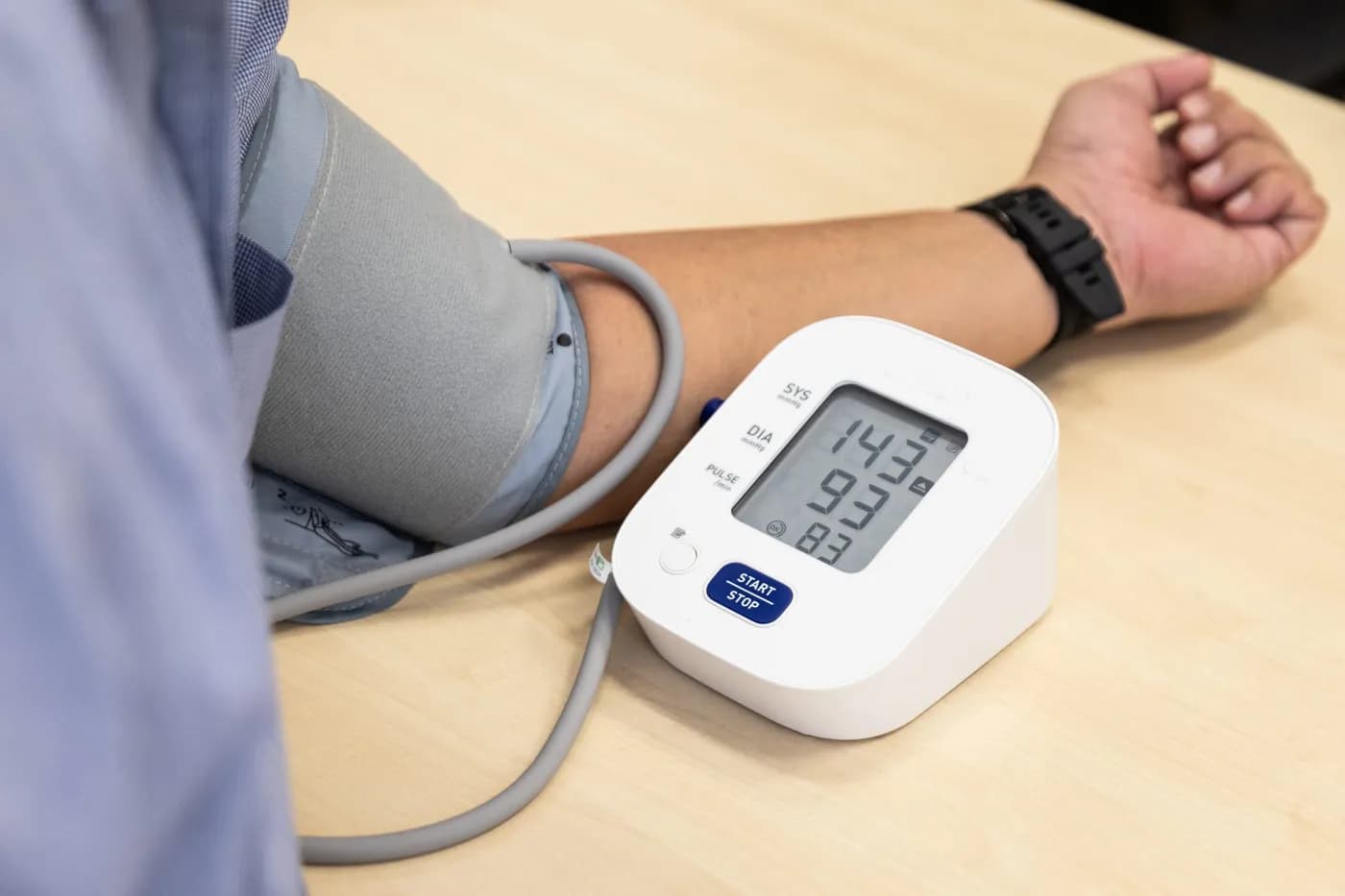
A home BP monitor (highly recommended), 30 minutes daily for movement, and a doctor’s confirmation of your current readings and any existing medication.
Setting Realistic Goals
Lifestyle change typically lowers BP meaningfully over 8–12 weeks of consistent practice. Track via home readings and doctor’s measurements every 3 months.
Start with the Basics
Walk 30+ minutes daily, reduce salt and processed food, eat more vegetables and potassium-rich foods, manage stress daily, sleep 7+ hours, and limit alcohol. Pair with our yoga for high blood pressure programme for complementary supportive practice.
Best Exercises for Maintaining Blood Pressure
Brisk Walking (40+ Minutes Daily)
The single most-studied blood-pressure-lowering exercise. Five days a week minimum. Often produces meaningful systolic reduction within 8–12 weeks of consistent practice.
Cycling or Swimming (Low-Impact Cardio)
30–45 minutes 3–4 times per week. Equally effective; useful for joint sensitivity.
Strength Training (2–3 Sessions Weekly)
Moderate-intensity compound movements lower BP and support cardiovascular health. Avoid heavy maximal lifts which can spike BP temporarily.
Surya Namaskar (8–12 Rounds Daily)
Combines gentle cardio, breath work, and full-body movement. Particularly effective morning practice for blood pressure.
Pranayama (Breath Practice 10 Minutes Daily)
Slow controlled breathing particularly Anulom Vilom and Bhramari measurably lowers blood pressure within minutes and supports long-term reduction.
Yoga and Meditation (Stress Reduction)
Chronic stress raises blood pressure through cortisol pathways. Daily stress practice is as important as exercise for BP control.
Walking after Meals (15 Minutes × 3 Daily)
Three short post-meal walks support both blood pressure and blood sugar, particularly valuable for those with both conditions. Pair with our exercises for a high blood pressure programme.
Common Blood Pressure Mistakes
Stopping Medication Without Doctor Consultation
Even when readings improve dramatically, medication adjustment is your doctor’s decision. Sudden discontinuation can cause dangerous BP spikes.
Ignoring Salt Intake
Salt sensitivity varies, but for most hypertensive patients, reducing sodium produces measurable BP reduction. Aim for under 2,300 mg daily.
Trying Heavy Maximal Lifts with Uncontrolled Hypertension
Heavy lifts (1–3 rep maxes) can spike BP dangerously high. Stick to moderate loads (8–15 reps) until BP is controlled.
Skipping Stress Management
Stress raises BP directly. Daily breath work or meditation matters as much as exercise for BP control.
Who Should Focus on Blood Pressure Management?
- Adults with Elevated or Stage 1 Hypertension — Lifestyle is first-line treatment, often delaying or avoiding medication entirely.
- Adults Already on BP Medication — Lifestyle change supports medication, sometimes allowing dose reduction over time. Always coordinate with your doctor.
- Adults with Family History of Hypertension — Genetic risk can be substantially offset by lifestyle. Early daily habits matter most.
- Working Professionals with High Stress — Stress-driven BP elevation responds particularly well to daily breath work and meditation.
Build a Blood Pressure Management Routine with Habuild
Maintaining healthy blood pressure isn’t about extreme intervention, it’s about daily structure. Consistent movement, smart eating, stress management, and good sleep compound into transformative results over months. With expert daily guidance, you can build this from home.
What you get with Habuild’s daily program:
- Daily live guided yoga and strength sessions
- Beginner-friendly, no-equipment routines
- Expert instructors trained in blood-pressure-safe practice
- Community accountability for the consistency that matters
Few daily practices move blood pressure as reliably as slow, controlled breathing, which is why techniques like ujjayi and alternate nostril breathing are often recommended alongside the exercise and dietary changes above: they directly activate the parasympathetic nervous system that brings heart rate and blood pressure down. A gentle asana practice adds the movement side of that equation without the intensity that can spike numbers unnecessarily. Habuild’s free yoga challenge is a good way to build that daily rhythm.
Frequently Asked Questions
Related Articles

How to Improve Heart Health: 8 Daily Habits and Exercises That Actually Work
Daily moderate exercise is among the strongest interventions known for reducing cardiovascular event risk, comparable in effect to many cardiac

How to Control Diabetes: Exercise, Yoga and Natural Methods
Exercise improves insulin sensitivity, yoga reduces cortisol, and together they address insulin resistance, hepatic glucose production, and inflammation
Mudra for High BP: Best Hand Gestures to Lower Blood Pressure
Practice mudra for high BP with Habuild. Follow the best hand gesture steps to lower blood pressure, calm the nervous system, and support heart health. Start!