
How to Reduce Stress: 8 Natural Ways to Calm Your Mind and Body
Chronically elevated cortisol disrupts sleep, digestion, mood, immunity, and weight — but the nervous system can be retrained with no equipment and no special knowledge. See all 8 natural ways.
Key Takeaways
- A Harvard-affiliated review found breath-led practice measurably lowers heart rate and BP.
- People often stop catching every seasonal cold after 2-3 months of consistent stress practice.
- Bhramari, humming with ears closed, calms an agitated nervous system faster than most techniques.
- The actual goal is faster recovery from stress, not the unrealistic elimination of stress itself.
- Clearer thinking and less reactive snapping are reported within just the first two weeks.
- Box breathing, used by special forces and ICU staff, slows heart rate within 60 seconds.
Stress is the body’s response to demand useful in short bursts, harmful when it becomes the default. Chronically elevated cortisol disrupts sleep, digestion, mood, immunity, and weight, per the American Psychological Association. The good news is that the nervous system can be retrained.
This guide walks through how to reduce stress at home, the most effective natural ways to reduce cortisol, and the stress-relieving exercises that work in 10 minutes a day. No equipment, no special knowledge, just consistent daily practice.
Benefits of Learning How to Reduce Stress
- Lower Cortisol and Better Sleep Daily breath and movement practice meaningfully lowers cortisol, especially the morning spike. Sleep onset becomes faster and deep sleep increases. A Harvard-affiliated review on the relaxation response shows breath-led practice produces measurable physiological changes: lower heart rate, lower blood pressure, lower stress hormone output within weeks of consistent practice.
- Stronger Immunity and Faster Recovery Chronic stress suppresses immune function. Reducing it leads to fewer colds, faster recovery from illness, and reduced inflammatory markers. People often notice they stop catching every seasonal cold after 2–3 months of consistent stress practice.
- Sharper Focus and Better Decisions Calm minds make better decisions. Stress narrows attention; relaxation expands it. People report clearer thinking within the first two weeks of consistent practice, fewer impulsive emails, less reactive snapping at family, more space between trigger and response.
- Better Relationships and Mood A nervous system that isn’t permanently activated is a kinder, more patient one. The downstream effect on family and work relationships is measurable. Most members report this benefit as the one they appreciate most even more than the physical changes.
How to Get Started with a Stress-Reduction Routine
What You Need to Begin
A quiet 10–15 minute window, a comfortable seat or mat, and willingness to commit daily for at least 3 weeks. No equipment required.
Setting Realistic Goals
Don’t aim for “no stress.” Aim for faster recovery from stressful events, the ability to return to baseline within minutes instead of hours. That’s the actual goal, and it’s measurable.
Start with the Basics
Five minutes of slow breathing every morning and evening. Walk for 20 minutes daily. Sleep before 11 PM. These three habits address the biggest stress drivers before any deeper practice. For a structured deepening, our yoga for stress management programme covers the full sequencing.
Best Exercises to Reduce Stress
Box Breathing
Inhale 4 counts, hold 4, exhale 4, hold 4. Repeat for 5 minutes. Used by special forces, ICU staff, and athletes slows heart rate within 60 seconds.
Bhramari (Bee Breath)
Close your ears with your thumbs, hum on the exhale. Five rounds calm an agitated nervous system faster than almost any other technique.
Forward Fold (Uttanasana)
Stand with feet hip-width, fold forward and let the head hang. Hold for 1 minute. Lengthens the spine and signals parasympathetic relaxation.
Legs-Up-the-Wall Pose
Lie down with legs vertical against a wall, hold 5–10 minutes. The single most powerful stress-relieving exercise at home.
4-7-8 Breath
Inhale 4, hold 7, exhale 8. Three rounds initiate sleep readiness useful at bedtime.
Walking Meditation
Walk slowly for 15 minutes, paying attention to the sensation of feet meeting ground. Combines movement with mindfulness easier than seated meditation for beginners.
Yoga Nidra (Body Scan)
Lie down and mentally scan the body from toes to crown. 15 minutes equals roughly an hour of light sleep in nervous-system recovery, per research summarised by the Sleep Foundation.
Cold Water on the Face
Splash cold water on the face or cup it over the eyes for 30 seconds. Triggers the mammalian dive reflex instant slowing of the heart rate. The fastest way to reduce stress at home in an acute moment. Pair with our exercises for anxiety guide for a fuller toolkit.
Common Mistakes to Avoid
- Forcing Breath Too Hard Slow breathing should feel comfortable, not strained. Forced deep breaths can paradoxically increase anxiety in some people.
- Practicing Only When Stressed Stress reduction is preventive, not reactive. Daily practice when calm is what builds the response when stressed.
- Using Caffeine to Push Through Caffeine raises cortisol. If stress is high, replacing afternoon coffee with herbal tea or water helps within days.
- Inconsistency Three weeks of daily 10-minute practice changes the nervous system more than three months of sporadic 60-minute sessions.
Who Should Try These Stress-Reduction Practices?
- Working Professionals with Constant Demands The 10-minute daily routine fits before work or at lunch. Sustainable for any schedule.
- Women Managing Career, Home, and Caregiving The cumulative load of multiple responsibilities elevates cortisol chronically. Daily practice is non-negotiable.
- People with Anxiety or Sleep Issues Breath and movement practice are first-line, evidence-supported approaches alongside professional support. Don’t replace medical care if you have a diagnosed condition.
- Anyone Recovering from Burnout The slow nervous-system rebuild after burnout depends on daily small practices, not heroic interventions.
Build a Daily Stress-Reduction Habit with Habuild
Real stress reduction isn’t a weekend retreat, it’s consistent daily practice that retrains the nervous system over weeks. With expert guidance and daily structure, you can build this from home in 15 minutes.
What you get with Habuild’s daily program:
- Daily live guided breath and yoga sessions
- Beginner-friendly, no-equipment routines
- Expert instructors for safe, effective practice
- Community accountability to maintain daily practice
Frequently Asked Questions
Related Articles
Benefits of Meditation: A Simple, Honest Guide
What meditation can really do for your mind and body — and what it can't. Start noticing the shifts for yourself with Habuild's daily guided meditation practice.

10 Minute Meditation: A Quick Daily Reset
A 10 minute meditation is long enough to settle into real calm and short enough to actually do daily. Find your own quick daily reset with Habuild's guided sessions.
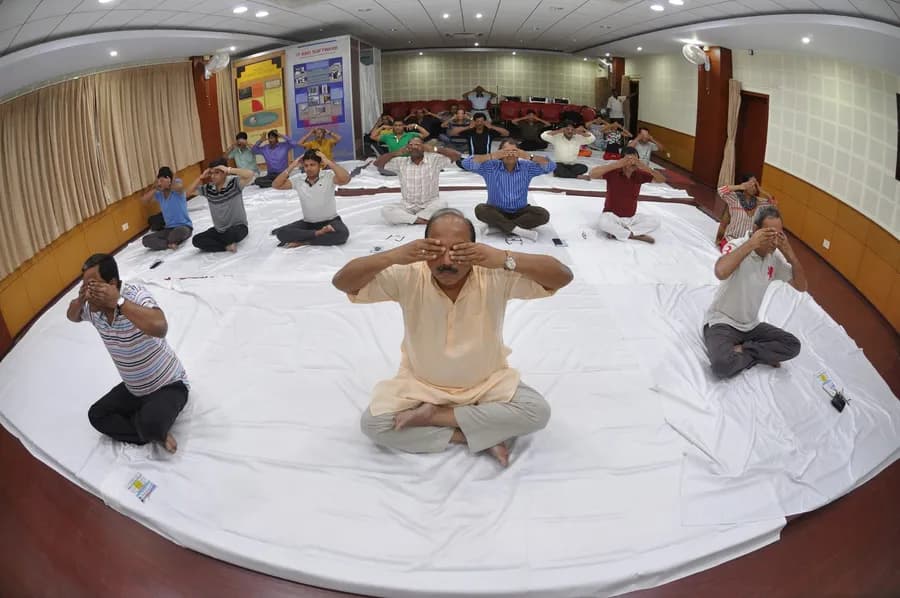
Bhramari Pranayama: Steps, Benefits and Precautions
Bhramari pranayama, the humming bee breath, brings the head still and quiet within seconds. Learn the correct hand position, steps, and precautions with Habuild's guided practice.