
10 Minute Meditation: A Quick Daily Reset
A 10 minute meditation is long enough to settle into real calm and short enough to actually do daily. Find your own quick daily reset with Habuild's guided sessions.
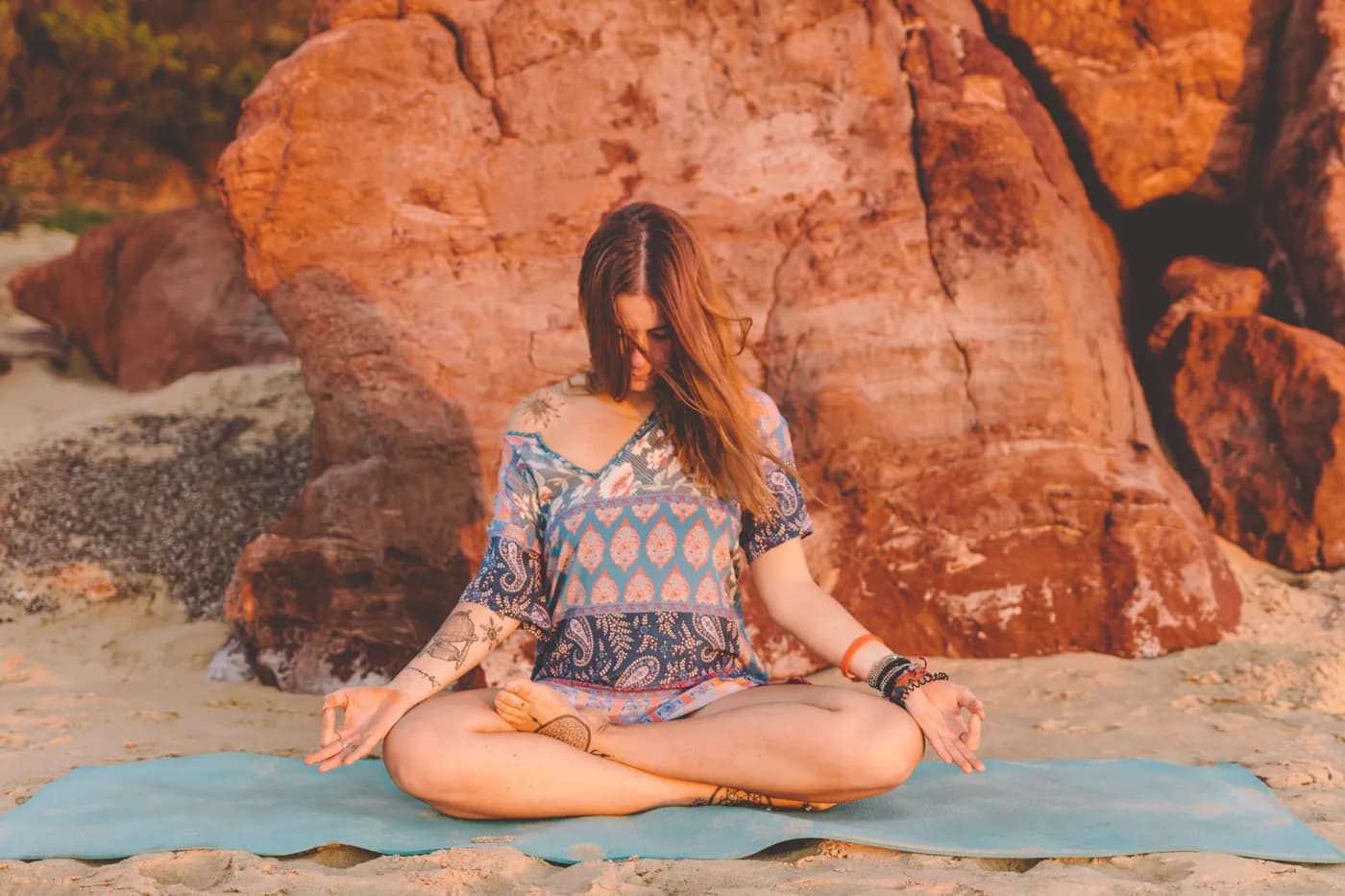
Key Takeaways
- Ten minutes is a sustainable sweet spot between too rushed and too long.
- The nervous system needs a few minutes of settled breathing to downshift.
- Simple structure: 2 minutes to settle, 6 on the breath, 2 to close.
- Expect your mind to wander often – noticing and returning is the training.
- Try body scan or walking variations if breath awareness feels stale.
- Set a timer and trust it, instead of clock-watching mid-session.
Ten minutes hits a genuine sweet spot: long enough to settle into a real sense of calm, short enough that it’s realistic to actually do daily, even on a busy day. A 10 minute meditation is one of the most sustainable lengths for building a consistent habit, which matters more than any longer, more ambitious session you never quite get to.
Why 10 Minutes Works So Well
Shorter sessions, like two or three minutes, can feel rushed before you’ve really settled — the first minute or two of any sit is usually spent just arriving, letting the day’s residual noise settle, before attention actually steadies. Much longer sessions, while valuable, are harder to fit into a busy day consistently, and the extra length doesn’t always translate into proportionally more calm; the returns tend to flatten out well before the thirty-minute mark for most regular practitioners. A 10 minute meditation splits the difference — enough time to notice your mind wander several times and practice returning, without demanding a big block of your day.
There’s also a simple physiological piece worth knowing: the shift from an alert, slightly tense baseline to a calmer one isn’t instant. It takes a few minutes of settled breathing for the nervous system to downshift, which is part of why a one-minute pause rarely feels like “real” meditation the way ten minutes does — you need enough time not just to sit down, but to actually arrive.
The Best 10 Minute Meditation Routine
- Minutes 1-2: Settle in. Sit comfortably, close your eyes, and take a few slow breaths to arrive. Let your shoulders drop and your jaw unclench — most people carry more physical tension into a sit than they realise.
- Minutes 3-8: Rest your attention on your natural breath. When your mind wanders, notice it and gently return — this is the core of the practice. Expect this to happen ten, twenty, even thirty times in six minutes; that repetition is the actual training, not a sign you’re bad at this.
- Minutes 9-10: Let your breath return to normal, take stock of how you feel, and slowly open your eyes before continuing your day.
A common mistake is treating the timer as a countdown to clock-watch, glancing at how much time is left every thirty seconds. If this happens, it usually means the timer sound itself needs to be trusted more — set it once, put the phone screen-down, and let the alarm do its job rather than checking manually. This structure works whether you’re brand new to meditation or have been practicing for years — it’s simply a reliable, repeatable shape for a short daily sit.
Photo via Wikimedia Commons, CC BY 2.5
10 Minute Meditation Variations Worth Trying
Straight breath awareness isn’t the only way to fill this window. A 10 minute meditation can just as easily be a body scan — spending roughly thirty seconds noticing sensation in each major body part from feet to head — which suits people whose minds wander less with a moving point of focus. A walking variation works well for those who find sitting still itself distracting: ten minutes of slow, deliberate walking indoors or in a garden, attention on the sensation of each step, delivers a similar settling effect for people who genuinely can’t sit comfortably yet. And a guided 10 minute meditation, where a recorded voice provides gentle structure, can lower the effort barrier on days when choosing what to focus on feels like one decision too many.
10 Minutes vs. Longer Sessions
It’s worth being honest about what a longer session adds. Twenty or thirty minutes gives more room to move past the initial settling phase into a deeper, steadier state, and some practitioners genuinely value that for specific goals, like the concentration work described in Vipassana meditation. But for most people building a daily habit from scratch, a 10 minute meditation done every day beats a 30 minute session done twice a week — consistency compounds in a way that occasional longer sits simply can’t match in the early months.
Fitting This Into a Real Day
A 10 minute meditation fits almost anywhere — before work, on a lunch break, or right before bed. If you’re completely new to this and want the fuller picture of getting started, our guide on meditation for beginners covers posture, common myths, and how to build the habit from scratch.
The most realistic way to make a 10 minute meditation actually happen daily is to attach it to something you already do without fail — right after your first cup of tea, right before you open your laptop, or right after you park the car after work. Trying to find “ten free minutes” in the abstract rarely works, because on a busy day there never seem to be any; anchoring it to an existing habit removes that daily search entirely. It also helps to accept that some days the ten minutes will feel deep and settled, and other days it will feel fidgety and distracted start to finish — both are the practice working, not a sign that one day succeeded and the other failed.
If you’d like structure around building this into a lasting daily habit, Habuild’s free yoga challenge is a simple place to start.
Frequently Asked Questions
Related Articles
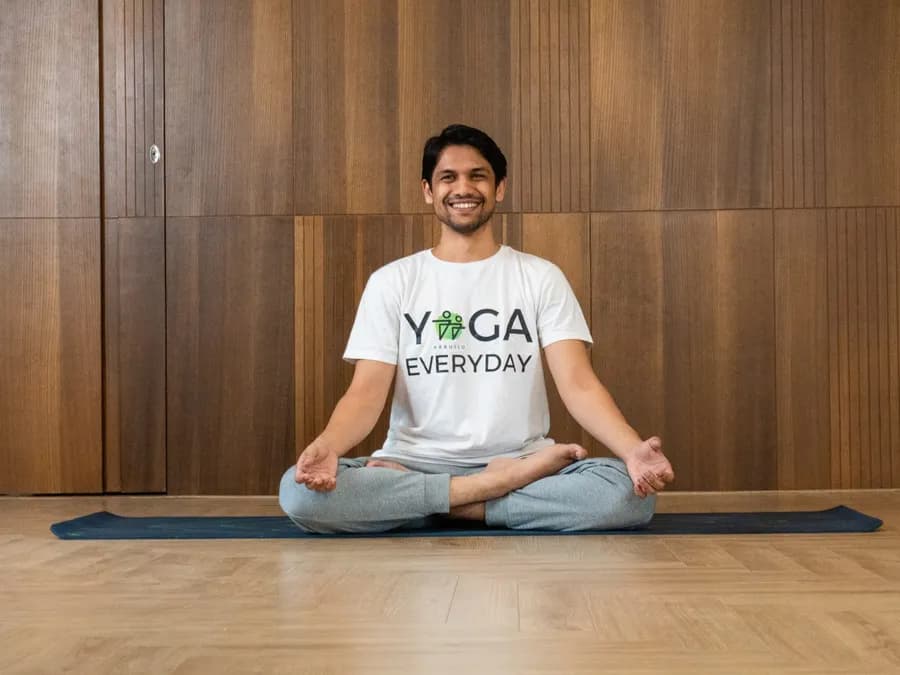
Sukhasana (Easy Pose): Steps Benefits and Meditation Foundation
Try sukhasana with Habuild. Discover the sukhasana pose to improve posture, reduce stress, and cultivate a calm and focused mind. Start your session today!
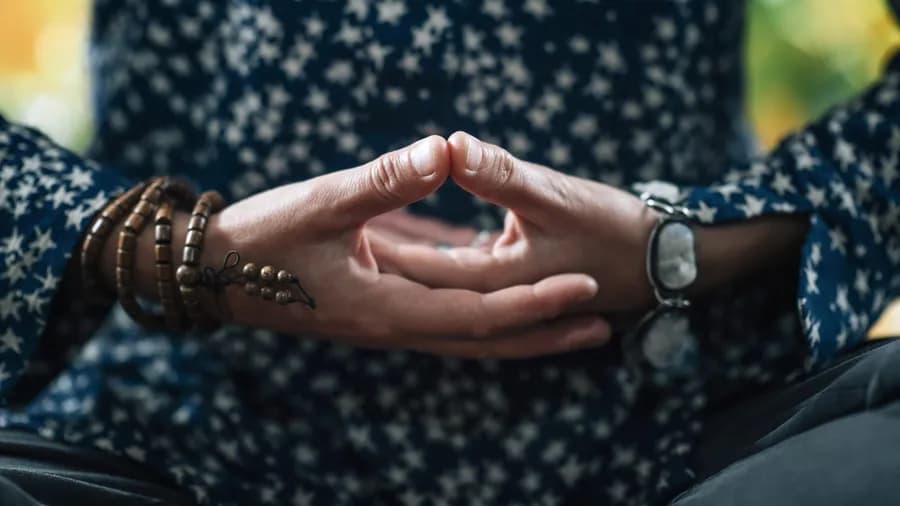
Dhyana Mudra: How to Practice and Its Benefits for Meditation
Practice Dhyana Mudra with Habuild. Follow the meditation hand gesture steps to calm the mind, deepen concentration, and support your daily practice. Start!


Chin Mudra: How to Practice and Its Benefits for Calm and Clarity
Practice Chin Mudra with Habuild. Follow the consciousness hand gesture steps to calm the mind, improve focus, and deepen your pranayama practice. Start today!