How to Sleep Less: Can You Train Your Body to Need Fewer Hours?
How to sleep less is a common question, but for the vast majority of people, it isn't something you can safely train your body to do. See what a genuine short-sleeper gene actually is.

Key Takeaways
- States a genuine short-sleeper gene variant, linked to DEC2, affects well under 1% of people.
- States feeling ‘used to’ short sleep is adaptation to deprivation, not a real reduced need.
- States sleep debt keeps accumulating even after a person stops noticing their own impairment.
- States polyphasic sleep hasn’t been shown by modern study to reduce total sleep need safely.
- Names adenosine as the compound that builds sleep pressure faster than caffeine can mask it.
- States most historical claims of thriving on minimal sleep don’t hold up under scrutiny.
How to sleep less is a question usually asked by people hoping to reclaim a few hours for work, study, or simply more waking time — but the honest answer is that for the vast majority of people, this isn’t something you can safely train your body to do.
Why most people can’t figure out how to sleep less safely
Your sleep need is determined largely by genetics and age, not habit or willpower. What actually happens when people try to “train” themselves onto less sleep is usually adaptation to feeling chronically tired, not a genuine reduction in biological need — the underlying sleep debt still accumulates and still carries real cognitive and health costs, even if the person stops noticing how impaired they’ve become, since impaired judgment is itself one of the effects.
The real short-sleeper gene
A very small percentage of the population — well under 1% — carries a genuine genetic variant (linked to specific genes like DEC2) that allows them to function fully well on significantly less sleep than average, without any of the usual downsides. This is a rare, inherited trait, not something achievable through training, caffeine, or willpower, and there’s no reliable way to test for it outside of genetic research studies.
What people mistake for having learned how to sleep less
- Feeling “used to” short sleep — this is adaptation to chronic sleep deprivation, not a real reduction in need; the cognitive and health costs continue regardless of whether you notice them
- Polyphasic sleep schedules (multiple short sleep periods instead of one block) — popular online, but not supported by solid evidence as safe or sustainable for most people long-term
- Relying on caffeine to mask tiredness — this manages the feeling of sleepiness without addressing the underlying sleep debt building up underneath it
Why polyphasic schedules keep coming up as an answer to how to sleep less
Polyphasic sleep — splitting sleep into multiple short segments across the day instead of one consolidated night — periodically resurfaces online as a productivity hack, often attributed to historical figures claimed to have thrived on minimal sleep this way. Most of these historical claims don’t hold up well under scrutiny, and modern attempts to systematically study polyphasic schedules haven’t found evidence that they allow a genuine, health-neutral reduction in total sleep need. What they can do is redistribute when sleep happens, which occasionally suits an unusual schedule (like certain isolated work environments), but this isn’t the same as reducing how much total sleep the body actually requires — the underlying need remains, however it’s spread across the day.
What actually happens biologically when you try how to sleep less
Attempting to sleep less doesn’t switch off your body’s sleep drive — it builds sleep pressure (the biological urge to sleep, driven partly by a compound called adenosine that accumulates during wakefulness) faster than it can be relieved. This is why chronic short-sleepers often report feeling “wired” or unable to relax even while exhausted — the sleep-pressure system is straining against a schedule that doesn’t give it enough time to fully discharge, producing a mix of fatigue and restlessness rather than the “I’ve adapted” feeling many people hope for.
What you can actually do instead
If your real goal behind “how to sleep less” is more usable time, the more sustainable path is usually improving sleep efficiency and quality rather than cutting hours — better sleep hygiene, consistent timing, and addressing anything currently fragmenting your sleep can mean you feel more rested on the same or even slightly fewer hours, without accumulating the sleep debt that comes from deliberately cutting sleep short.
The real cost of how to sleep less, once you actually manage it
Chronic short sleep, whatever the intention behind it, carries the same real risks as any other form of sleep deprivation — impaired cognitive performance, worse mood regulation, and increased long-term health risk. For nearly everyone, the time “gained” by sleeping less is offset by reduced quality and productivity during waking hours.
Frequently Asked Questions
Related Articles
How to Stop Snoring: 7 Proven Ways for Quiet, Restful Sleep
Snoring signals a partly blocked airway during sleep, and most cases are caused by lifestyle, posture, and breathing patterns you can change. See 7 proven ways for quiet, restful sleep.

Why Is Sleep Important? Benefits for Your Body and Mind
Why is sleep important? It's an active process your body uses for memory, immune function and emotional regulation, not just rest. See what actually happens overnight, and why cutting it short costs more than it seems to save.
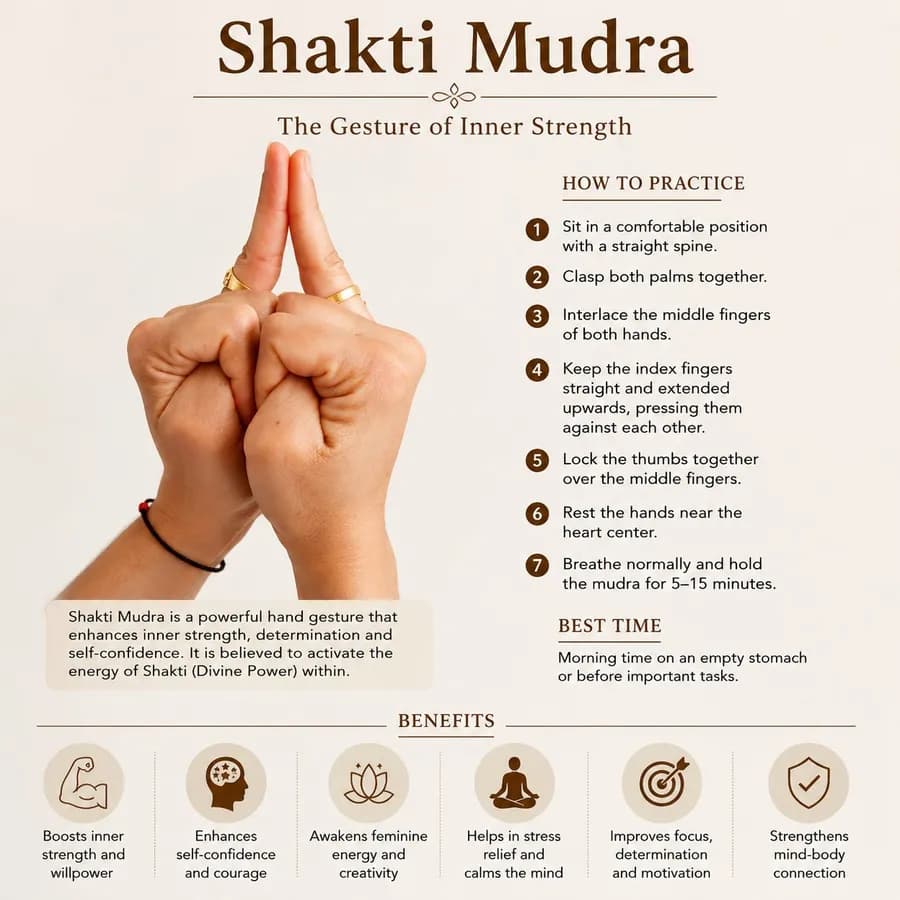
Mudra for Sleep (Shakti Mudra): Steps, Benefits, and Precautions
Shakti Mudra and Prithvi Mudra activate the parasympathetic nervous system and establish a conditioned pre-sleep signal when held for 10-15 minutes before