
Micellar Water: Uses, Benefits and Gentle Cleansing Tips
Micellar water lifts makeup, oil and sunscreen without scrubbing. Learn how to use it, when to rinse and what it cannot do for acne.

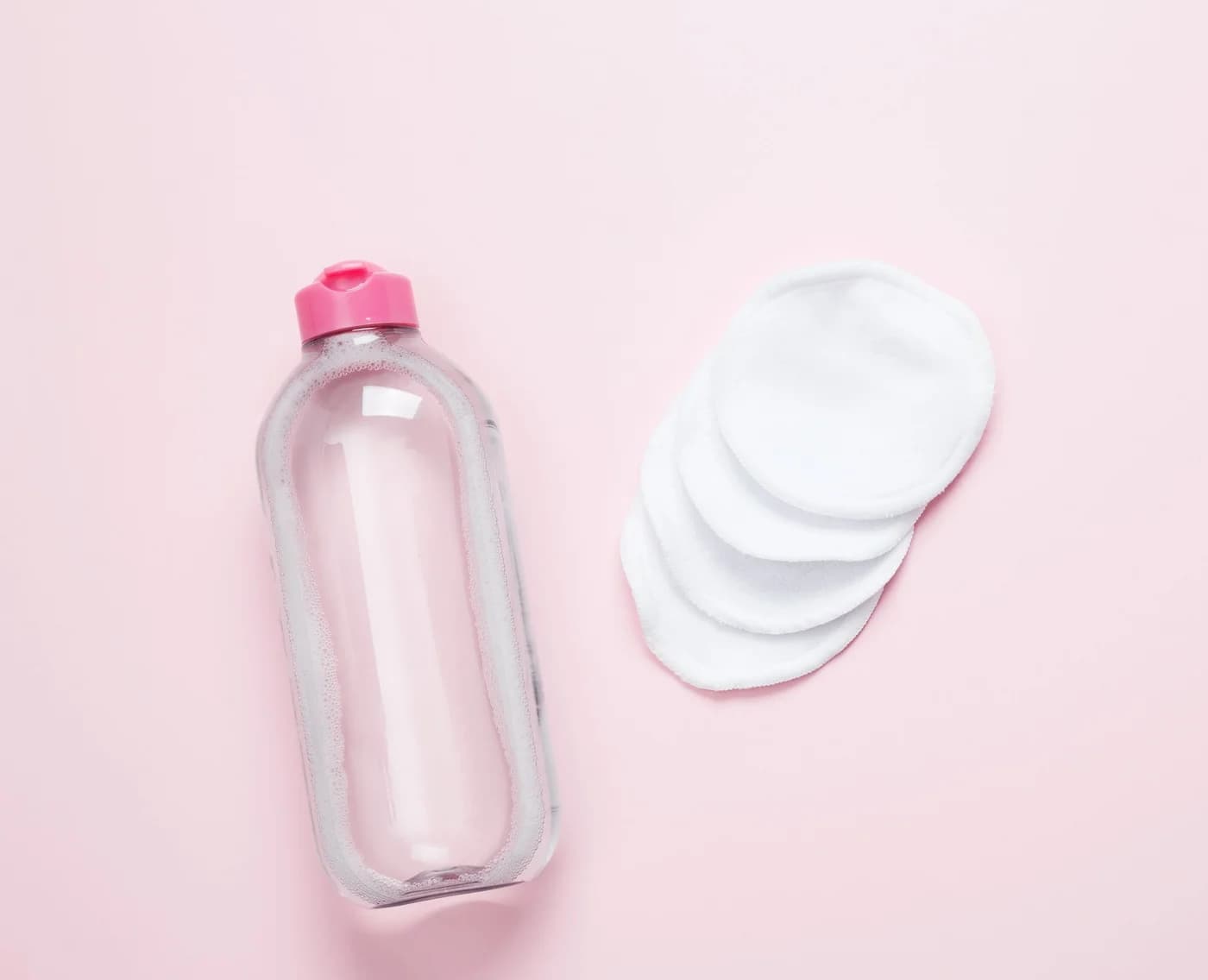
Key Takeaways
- Micelles in the water lift oil, light makeup and sunscreen without harsh scrubbing.
- It is an external facial cleanser, not a drink and not an acne treatment.
- Heavy or waterproof makeup may need a second gentle cleanse or an eye remover.
- Rinse with lukewarm water if residue leaves skin sticky, tight or itchy.
- Patch-test new formulas and stop any product that stings or causes a rash.
Micellar water is a water-based facial cleanser that contains micelles, tiny clusters of cleansing molecules. Swiped on with a soft pad, it lifts oil, everyday makeup and sunscreen without scrubbing. It is a skincare product for the outside of the face, not something to drink, and it does not treat acne or other skin conditions on its own.
How micellar water works
Each cleansing molecule has one end that is drawn to water and another that is drawn to oil. In the bottle they gather into micelles, which pick up sebum and cosmetic residue as the pad glides over the skin. Because the formula is mild, it cleans without stripping much of the skin's natural oil, which is why many people with dry or sensitive skin find it comfortable. Formulas differ, so one product may remove more makeup than another.
Real benefits and their limits
Where it helps
- Quick removal of light makeup and sunscreen at night, especially when travelling or tired
- A gentler first cleanse for skin that feels tight after a foaming face wash
- Cleansing without hard rubbing, which reduces friction on delicate areas
What it cannot do
It does not cure acne, fade pigmentation or replace prescribed treatment. Acne involves oil production, blocked pores, bacteria and inflammation, not just surface dirt. If breakouts are your main concern, our guide to home remedies for pimples explains what helps and what can harm skin.
How to use it in an evening routine
- Start with clean hands and soak a soft cotton pad so it glides rather than drags.
- Press the pad on the skin for a few seconds, then wipe outwards, including the hairline and the sides of the nose.
- Turn to a fresh area of the pad as it picks up makeup.
- For the eyes, hold the pad against closed lids briefly, then wipe away without pulling the skin.
- If a film remains, follow with a mild cleanser and lukewarm water.
- Pat dry with a soft towel and apply moisturiser.
Does it need to be rinsed?
Many labels describe micellar water as a no-rinse cleanser, and that convenience is a big part of its appeal. Residue does not suit everyone, though. If your face feels sticky, tight or itchy, rinse with lukewarm water rather than hot water, which can worsen dryness. Let your skin's response guide you more than the label.
Sensitive skin, eczema and acne
Fragrance-free formulas are a sensible starting point for reactive skin, although any ingredient can irritate an individual. Try a new product on a small area such as the jawline for a few days before using it on the whole face. If you use an acne medicine, your skin may already be dry, so cleanse gently and no more than twice a day; washing more often does not clear acne faster. Painful, scarring or persistent acne deserves a dermatologist's care.
Waterproof makeup and sunscreen
Water-resistant sunscreen and long-wear makeup are designed to stay put, so one micellar pass may not remove them fully. Instead of scrubbing the same spot until it turns red, add a second gentle cleanse or use an eye-safe remover for waterproof mascara. Always take makeup off before bed, and apply fresh sunscreen in the morning if you will be outdoors.
Cleanser, toner or moisturiser?
Micellar water is a cleanser. A toner has a different purpose and should not replace the step that removes makeup, and a moisturiser supports comfort but does not clean. Many people do well with just a gentle cleanser, a moisturiser and daytime sunscreen. If you are curious about other topical products, see our guide to witch hazel for skin and its limits.
Hygiene and safety tips
- Use a fresh disposable pad each time, or wash reusable pads after every use and let them dry fully.
- Do not share pads, particularly around the eyes.
- Keep the cap closed, store as directed and do not use the product past its expiry date.
- If it gets into your eyes, rinse with clean water. Seek care if pain or blurred vision persists.
- Stop a product that burns, and get advice for a rash, swelling or blistering that does not settle.
Editorial sources
Frequently Asked Questions
Related Articles

Witch Hazel for Skin: Uses, Limits and How to Use It Safely
Witch hazel is a plant astringent for external use. What it can do for oily skin, bites and piles discomfort, what it cannot do, and how to patch-test it.


Home Remedies for Pimples: What Helps and What Can Harm Skin
Acne forms when pores become blocked and inflamed, and hormones, oil production, bacteria and genetics can all contribute to it. Learn what helps.
Vitamin D Sunlight Time: Safe Sun Exposure and Skin Safety
Sunlight helps the skin make vitamin D, but there is no safe, universal number of minutes that works for everyone.