Myrrh: Traditional Uses, Evidence and Safer Choices
A practical guide to myrrh preparations, limited evidence and appropriate alternatives for common concerns.

Key Takeaways
- Myrrh is an aromatic resin, not a food.
- Mouth preparations differ from swallowing resin.
- Persistent mouth sores need assessment.
- Take extra care in pregnancy, children and sensitive skin.
Myrrh is an aromatic resin, not a food you need to add to meals. It appears in traditional remedies, mouth-care preparations, fragrance and incense, sometimes with broad claims about healing. Those uses should not be bundled into one promise. A preparation intended for a small mouth irritation is different from swallowing resin, taking a capsule or burning it for scent.
What is myrrh?
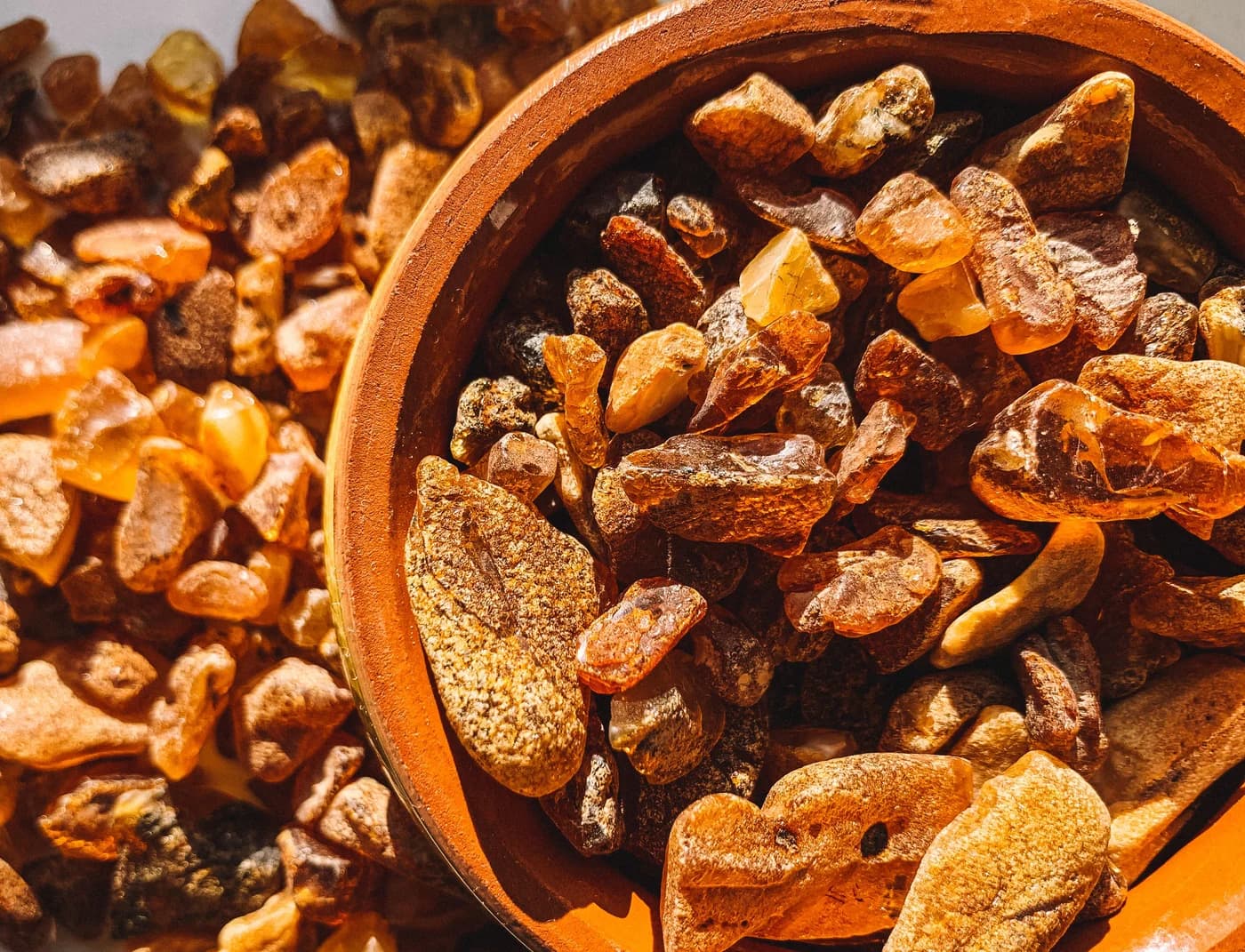
Myrrh comes from the resin of certain Commiphora trees. It has a long history in aromatic and medicinal traditions and may be sold as resin pieces, tinctures, oils or finished products.
These forms are not interchangeable. A concentrated essential oil is different from a diluted mouth-care preparation, and incense is not a product to swallow.
There is no nutritional requirement for myrrh. It is not a useful source of everyday protein, fibre or essential vitamins. You do not need a portion guide, a breakfast recipe or a routine course to include it in a balanced diet.
Where traditional use has been recognised
The European Medicines Agency has described certain myrrh preparations for traditional use in minor mouth inflammation and ulcers, and for some minor skin concerns. The important word is traditional.
That recognition is based on long-standing use for specified preparations and purposes. It does not establish the same level of clinical evidence as a well-proven treatment, nor does it cover every product carrying the myrrh name.
It also does not support broad claims about treating internal infections, controlling chronic disease or cleansing organs. A limited traditional-use description should not be expanded into a list of guaranteed benefits.
If the concern is a mouth ulcer
Many common mouth ulcers settle within a week or two. During that time, softer foods and avoiding foods that sting may make eating more comfortable. A soft toothbrush can help reduce further irritation.
A simple salt-water rinse can be an option for adults who can rinse and spit safely. It is a comfort measure rather than a promise to cure every ulcer. Do not keep applying strong substances to an already painful area.
If a sharp tooth, denture or repeated biting seems to be causing the sore, addressing that irritation is more useful than repeatedly trying a herbal preparation.
Know when a sore needs assessment
A mouth ulcer that lasts more than three weeks should be examined by a dentist or clinician. An unusually large, recurring or worsening sore also deserves attention, particularly if eating and drinking are becoming difficult.
Do not interpret persistent pain, bleeding or a new lump as a normal response to treatment. The aim is to identify the cause rather than keep switching products until the symptoms are hidden.
This advice is specific to the problem. It does not mean every small mouth ulcer requires an appointment on day one. It means home care should have a sensible limit when healing is not following the expected course.
Tinctures can sting
Myrrh tinctures may contain alcohol, which can cause pain or irritation when applied to the mouth or skin. A burning sensation does not demonstrate stronger healing activity.
Different concentrations need different instructions, so a home dilution copied from an unrelated bottle is unreliable. If you choose a finished mouth-care product, use it only for its intended purpose and do not swallow something intended to be spat out.
Avoid applying essential oil or raw resin directly to a mouth ulcer. The fact that a plant appears in a traditional product does not make every concentrated form suitable for delicate tissue.
Do not turn wound care into a resin experiment
For a small superficial cut, ordinary cleaning and appropriate protection are the starting point. Deep, dirty or worsening wounds need assessment according to the injury.
Increasing redness, warmth, swelling, pus or fever can indicate infection. Myrrh should not delay proper treatment, particularly for a wound in someone with diabetes or poor circulation.
Do not pack a cut with resin, apply incense material or use a homemade mixture to try to sterilise it. A product's traditional association with wounds does not establish that an improvised preparation is clean or suitable for an open injury.
Swallowing it is a separate decision
Claims about oral myrrh supplements often go beyond the evidence for limited local use. There is no established daily intake that everybody should take for wellness, digestion or immunity.
Do not swallow an essential oil, fragrance product or incense resin. These are not ordinary foods, and the intended route of use matters.
If you have a persistent health symptom, identify that problem directly. A daily capsule is not a useful substitute for understanding recurring abdominal pain, an ongoing infection or a medicine-related concern. The absence of a clear benefit is a reasonable reason not to begin an optional herbal course.
Pregnancy, children and sensitive skin
Safety information is insufficient for routine medicinal use during pregnancy and breastfeeding, so avoid starting myrrh remedies at these times. Children should not be given a preparation simply by scaling down an adult amount.
Allergic skin reactions have been reported. Stop a topical product if it causes a rash or increasing irritation. Keep it away from eyes and other sensitive areas unless specifically formulated for that use.
Someone who already reacts to fragrances may prefer unscented products. There is no need to develop tolerance to an aromatic ingredient for a health benefit that is uncertain.
Fragrance is not infection treatment
If you enjoy myrrh as a scent, treat that as a preference. Burning incense produces smoke, which may be uncomfortable for people with asthma or sensitive airways. Ventilation and the needs of others in the room matter.
A pleasant smell does not disinfect a home or protect the family from respiratory infections. Nor should incense be used in place of cleaning, ventilation or medical care.
Myrrh can have a place in tradition and fragrance without becoming a compulsory remedy. Keep the preparation, purpose and evidence clear, and choose simple care that addresses the problem you actually have.
Editorial sources
Frequently Asked Questions
Related Articles

Ayurvedic Herbs: Traditional Use, Evidence and Safety
How to judge Ayurvedic herbs safely: evidence for each herb, label checks, heavy-metal concerns, interactions and choosing a practitioner.

Herbal Tea Recipes: 5 Simple Blends for Daily Routine
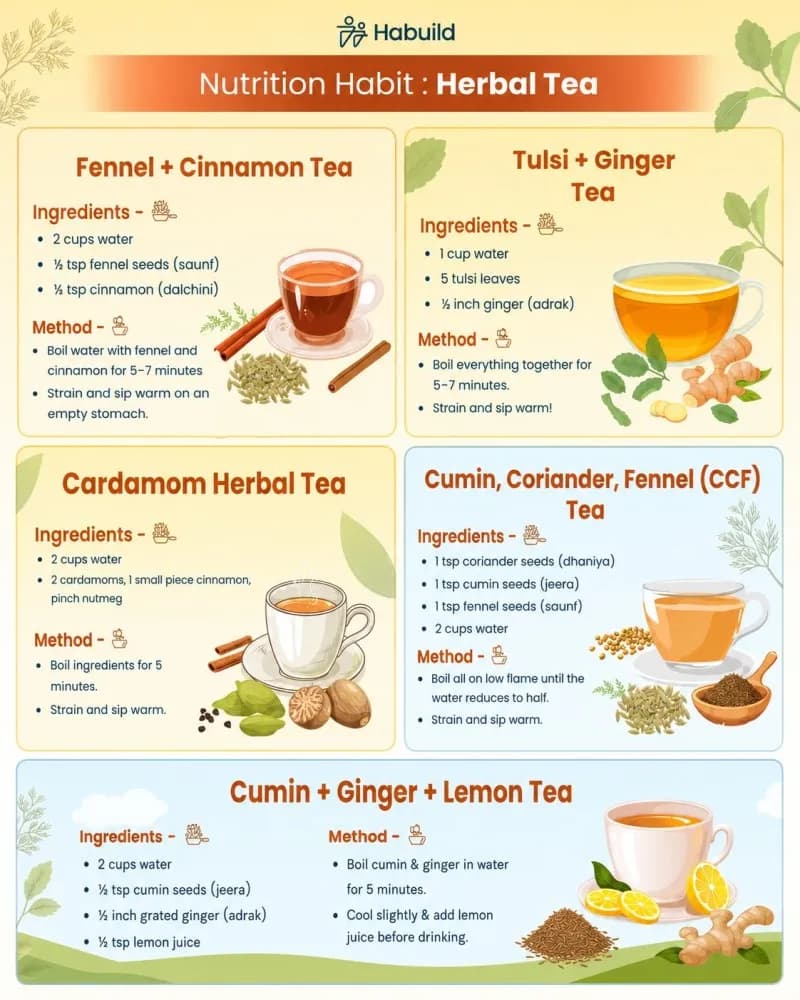
These five herbal tea blends use common Indian kitchen ingredients like fennel, cinnamon, tulsi, ginger, and cardamom — light, warm drinks, not medicine..
Mulethi: Benefits, Uses & Ayurvedic Properties
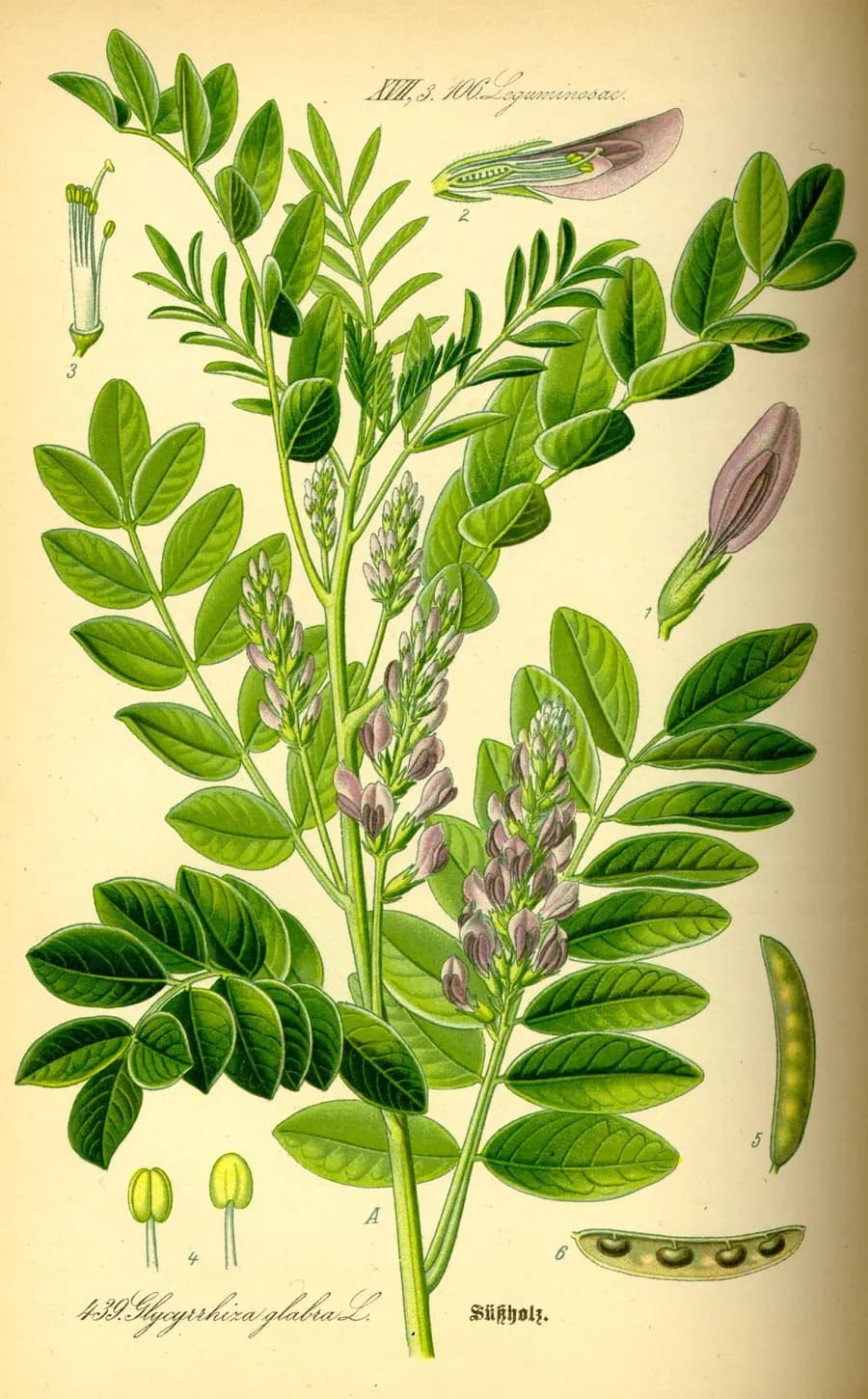
Discover Mulethi (Yashtimadhu / Glycyrrhiza glabra) — its Ayurvedic properties, health benefits for cough, digestion, skin, and immunity, dosage.