Tea Tree Oil: Topical Uses, Evidence and Safety
Tea tree oil is an essential oil used on the skin for problems such as acne and athlete's foot. It is poisonous if swallowed.

Key Takeaways
- Tea tree oil is for use on the skin only; swallowing it can cause serious poisoning.
- Small studies suggest it may help mild acne and athlete's foot, but evidence is limited.
- Dilute it or use a ready-made product, patch-test first and keep it away from the eyes.
- Store it out of reach of children and pets, and discard old oil that smells different.
Tea tree oil is an essential oil used on the skin for problems such as acne and athlete's foot. It has a strong, medicinal smell and is found in many face washes, gels, shampoos and foot creams. It is not a food or a drink: tea tree oil is poisonous if swallowed and must never be taken by mouth. This guide explains what the evidence shows, how to use it safely on the skin and when to see a doctor instead.
What tea tree oil is
Tea tree oil is made by steam-distilling the leaves of the Australian tea tree, Melaleuca alternifolia. It is not related to the tea plant used to make chai or green tea. Indigenous Australians traditionally used the leaves on wounds, burns and insect bites. Today, tea tree oil is sold as a pure essential oil and as an ingredient in ready-made skin and hair products.
What the evidence shows
Most claims about tea tree oil come from small studies or laboratory work, so the evidence is limited.
- Acne: a small amount of research suggests diluted tea tree oil may help mild acne, but more and larger studies are needed.
- Athlete's foot: it may help, but probably not as well as standard antifungal treatments.
- Fungal nail infections: too few good-quality studies exist to draw conclusions.
- Head lice: it has only been tested in combination with other ingredients, so its own effect is unclear.
- Eyelid inflammation and mouthwashes: benefits for eyelash mites, gum inflammation, plaque and bad breath are uncertain. Mouthwashes containing tea tree oil must not be swallowed.
Tea tree oil is not a proven treatment for any infection, and it should not replace medicines your doctor prescribes.
Never swallow tea tree oil
Swallowing tea tree oil can cause serious poisoning, with symptoms such as confusion, unsteadiness, inability to walk and coma. Children are at particular risk because a small amount is a large dose for a small body. If anyone swallows tea tree oil, contact a poison centre or seek emergency care straight away. Do not try to make them vomit.
Do not add tea tree oil to drinks, food, steam inhalations for children or homemade "detox" remedies, and never use it inside the mouth, nose or ears.
How to use tea tree oil on the skin safely
- Choose a ready-made product labelled for skin use, or dilute pure oil in a carrier oil as the label directs. Do not apply undiluted oil to the skin.
- Patch-test first: apply a small amount to the inner forearm and wait a day to check for redness, itching or swelling.
- Keep it away from the eyes, broken skin and the inside of the nose and ears.
- Wash your hands after applying it.
- Stop using it if your skin becomes red, itchy, sore or blistered.
Why old oil causes more problems
Tea tree oil changes when it is exposed to heat, light and air. Older or oxidised oil is more likely to irritate the skin or cause an allergic reaction. Buy small bottles, keep the cap tightly closed, store the oil in a cool, dark place and discard it if the smell changes or it is past its expiry date.
Who should take extra care
- Children: keep tea tree oil locked away. Ask a doctor before using it on a child's skin.
- Pets: essential oils can be harmful to cats and dogs. Do not apply tea tree oil to a pet unless a vet advises it.
- Sensitive skin or eczema: you are more likely to react, so patch-test carefully or avoid it.
- Pregnancy and breastfeeding: topical products may be safe, but check with your doctor first.
- People taking medicines: tell your doctor or pharmacist about any herbal products you use.
When to see a doctor
See a doctor or dermatologist if acne is painful, scarring or not improving, if a fungal infection spreads or keeps returning, or if a nail infection does not clear. Seek urgent help for a severe skin reaction, swelling of the face or lips, or breathing difficulty. Tea tree oil can be part of a simple skin routine for some people, but it is not a substitute for proper diagnosis and treatment.
Editorial sources
Frequently Asked Questions
Related Articles
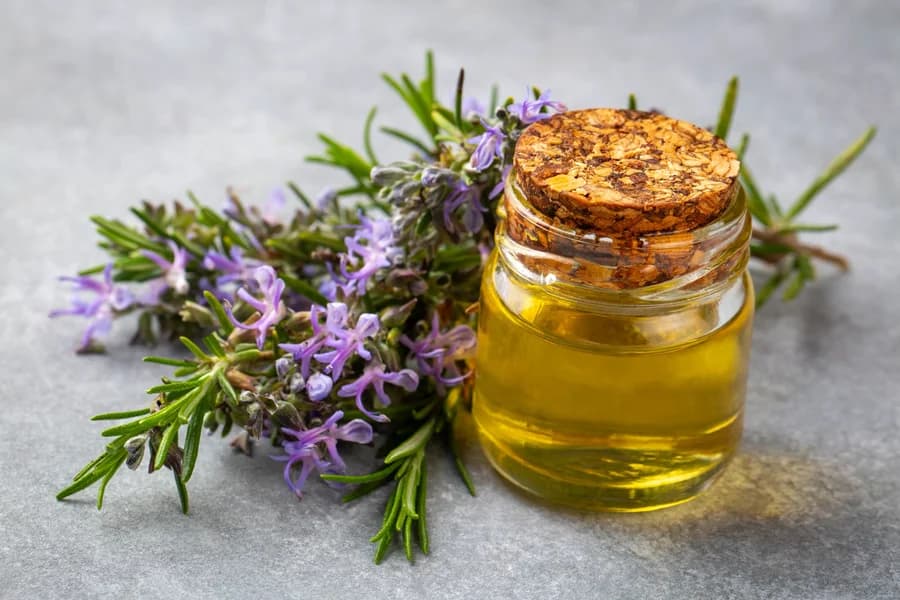
Rosemary Oil for Hair: Evidence, Use and Safety
Rosemary essential oil is a concentrated aromatic product used on the scalp after dilution. It is not a cooking oil and should not be swallowed.

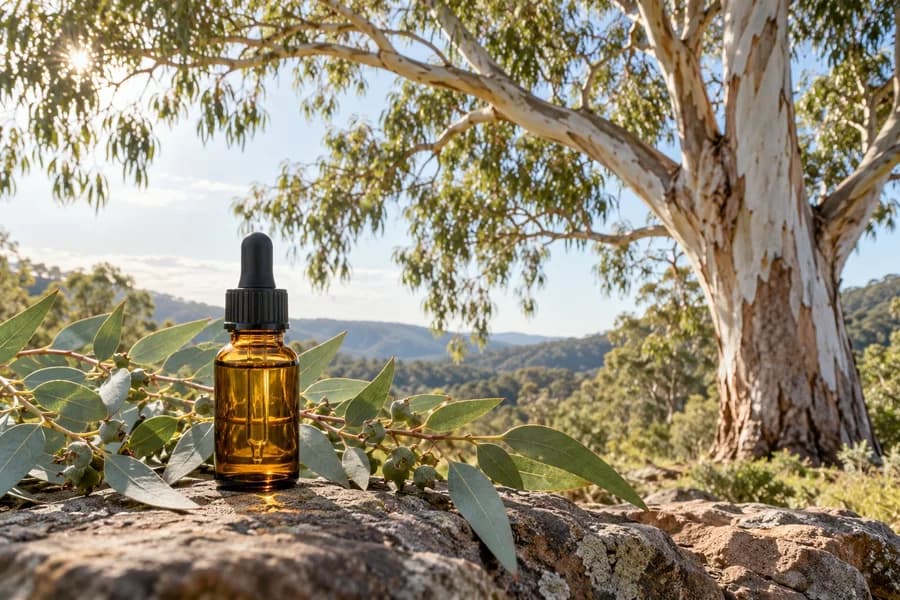
Eucalyptus Tree and Oil: Uses, Benefits and Important Safety Facts
Eucalyptus is a tall aromatic tree and the source of a potent essential oil. Here is what it can do for congestion and how to use it safely.

Tea Tree Oil: Benefits, Uses & Ayurvedic Properties
Tea Tree Oil is a powerful essential oil with broad-spectrum antimicrobial, antifungal, and anti-inflammatory properties. Discover how Ayurveda uses this.