
Waking Up at 3 AM Every Night: Causes and Fixes
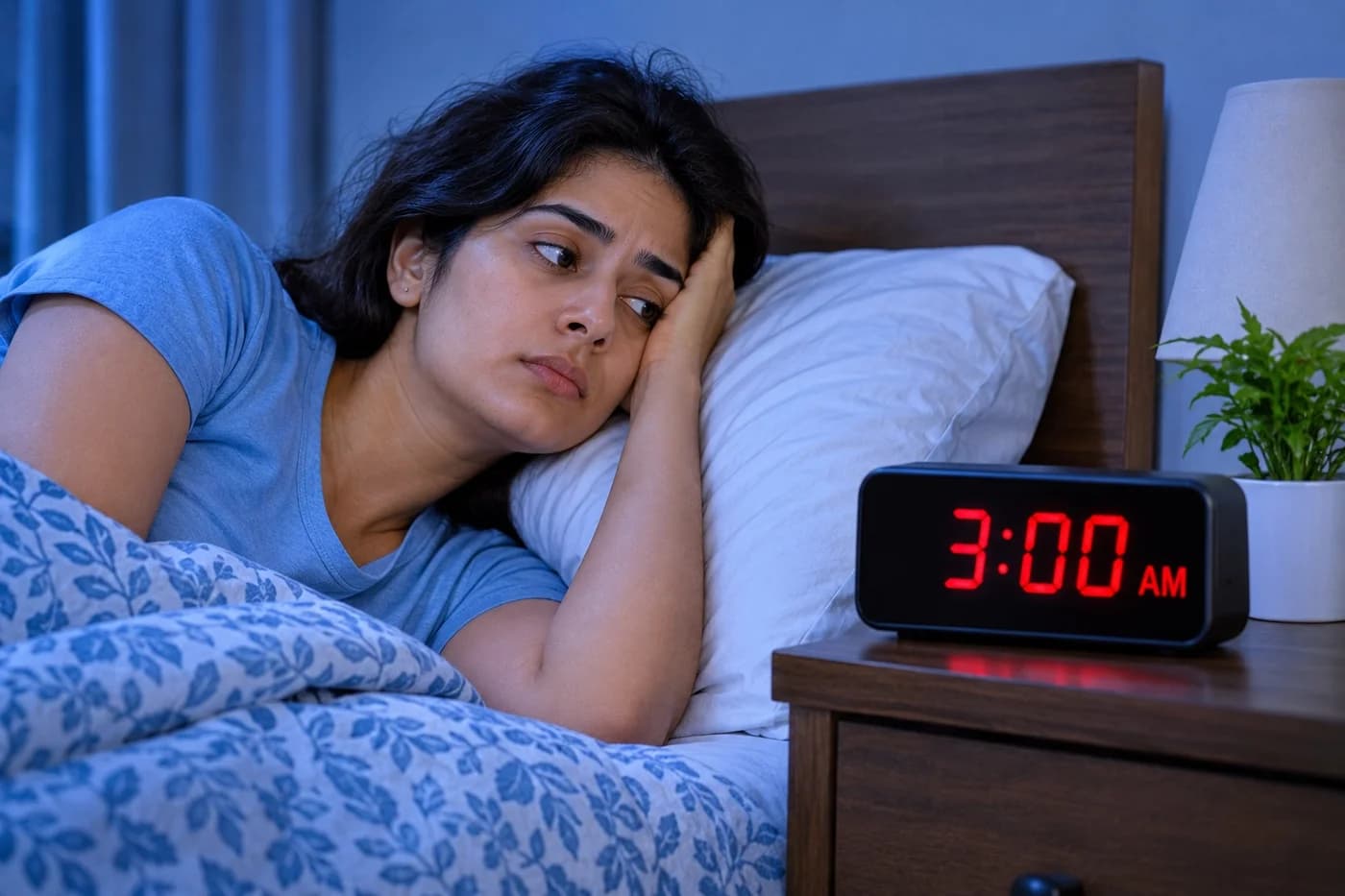
Wide awake at 3 am again? Here's why it happens, what usually causes it and simple steps to get back to sleep and stay asleep.
Key Takeaways
- Waking briefly at night is normal; it becomes a problem when you can't fall back asleep.
- Sleep gets lighter in the second half of the night, so small triggers wake you more easily.
- Stress, alcohol, late meals, needing to pee and a warm room are common causes.
- If you're awake for about 20 minutes, get up and do something calm until sleepy.
- See a doctor if it happens most nights for weeks or leaves you tired during the day.
Why Do I Keep Waking Up at 3 AM?
If you keep waking at the same time every night, often around 3 or 4 am, you're far from alone. Many people find they can fall asleep easily but then lie awake in the early hours, mind racing, watching the clock tick towards morning.
Part of the explanation is how sleep works. Through the night, you move through sleep cycles of about 90 minutes each. The first half of the night has more deep sleep, while the second half has more light sleep and dream (REM) sleep. In the early morning hours, you're naturally closer to waking, so things that wouldn't disturb you at midnight, such as a noise, a full bladder or a busy mind, are more likely to wake you up.
Brief awakenings between sleep cycles are normal, and most of the time we don't even remember them. The problem begins when you fully wake and can't drift back off.
Common Causes of Waking Up in the Middle of the Night
Stress and worry
Stress is one of the most common reasons for early-morning waking. When you're worried about work, money or family, your body stays more alert, and once you wake, your mind quickly jumps to those worries. Lying in the dark with nothing else to focus on often makes them feel bigger.
Alcohol
A drink in the evening might help you fall asleep, but alcohol disturbs sleep later in the night. As your body processes it, sleep becomes lighter and more broken, which is why people often wake up in the early hours after drinking.
Needing to use the toilet
Waking up to pee, called nocturia, becomes more common with age. Drinking a lot of fluid in the evening, especially tea, coffee or alcohol, makes it more likely. Frequent night-time urination can also be linked to conditions such as diabetes or prostate problems, so it's worth mentioning to a doctor if it's new or frequent.
Late or heavy meals
A large, spicy or rich dinner eaten close to bedtime can cause acid reflux or discomfort that wakes you during the night. Going to bed hungry can also disturb sleep for some people.
A room that's too warm or bright
Your body temperature naturally drops at night to help you sleep. A hot, stuffy bedroom, especially in Indian summers, can make sleep lighter and lead to more waking. Early morning light coming through thin curtains can do the same.
Ageing
As we get older, sleep naturally becomes lighter and more broken, and many older adults find they wake earlier than they used to.
Sleep problems and health conditions
Regular night waking can be a sign of insomnia. Loud snoring with pauses in breathing may point to sleep apnea. Depression, anxiety, hormonal changes during menopause, pain and some medicines can all disturb sleep too.
What to Do When You Wake Up at 3 AM
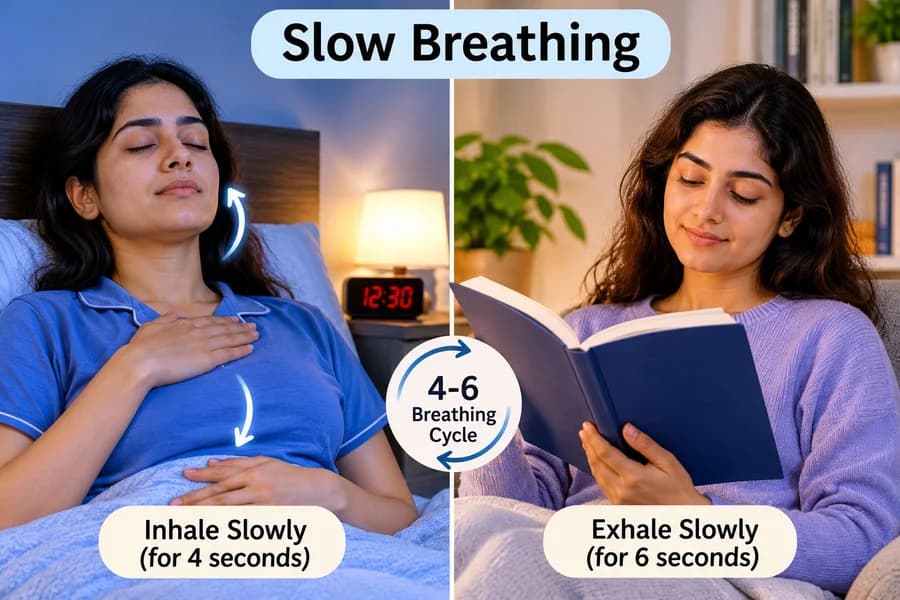
The most useful thing is not to fight it. Lying in bed trying hard to sleep usually makes you more alert. Try these steps instead:
- Don't check the time. Turn your clock away so you can't calculate how much sleep you have left.
- Keep the lights low and avoid your phone, because bright screens wake your brain up.
- Try slow breathing, such as breathing out for longer than you breathe in.
- If you're still awake after about 20 minutes, get up and do something calm in dim light, such as reading a book, then go back to bed when you feel sleepy.
Getting out of bed can feel like the wrong move when you're desperate for sleep, but it helps your brain keep linking your bed with sleeping rather than with lying awake and worrying. Keep whatever you do boring and screen-free, such as reading a few pages of a book, folding clothes or sitting quietly with a warm, caffeine-free drink.
Try not to judge the night while it's happening, either. Telling yourself that tomorrow will be ruined adds stress that makes sleep even harder. Most people cope better with a short night than they expect, and the next night's sleep is often deeper.
How to Stop Waking Up at Night
Preventing early waking is mostly about your daily habits. Go to bed and get up at the same time every day, even after a bad night, because sleeping in or napping for long periods can make the next night worse. Get daylight in the morning and move your body during the day; regular exercise is linked to deeper sleep, as long as hard workouts aren't too close to bedtime.
In the evening, cut back on caffeine after lunch, limit alcohol, and try to eat dinner two to three hours before bed. Reduce fluids in the last hour or two before sleep, and keep your bedroom cool, dark and quiet. A fan, a lighter blanket or blackout curtains can make a real difference.
If worries keep waking you, spend 10 minutes in the early evening writing down what's on your mind and what you'll do about it. That way your brain has less unfinished business to bring up at 3 am.
When to See a Doctor
Talk to a doctor if you wake up most nights for several weeks, if you feel exhausted during the day, or if you snore loudly, gasp for breath at night or need to pee many times a night. For long-term insomnia, doctors often recommend cognitive behavioural therapy for insomnia (CBT-I), a structured, drug-free approach that is considered the first-line treatment.
Building Calm Into Your Evenings
Regular movement and calming breathing practice can both support better sleep. Habuild's live sessions include yoga, exercise and breathing, and the Habuild app's Box Breathing habit gives you a simple routine to practise before bed.
Editorial Sources
- Sleep Foundation – Why Do I Wake Up at 3 am?
- Cleveland Clinic – Why Do You Always Wake Up at 3 a.m.?
- Sleep Foundation – Alcohol and Sleep
- NHS – Fall asleep faster and sleep better
- American College of Physicians – CBT recommended as initial treatment for chronic insomnia (2016)
Health Disclaimer
This article is for general information only and is not medical advice. If you regularly wake at night and feel tired during the day, please consult a doctor.
Frequently Asked Questions
Related Articles
Insomnia Treatment: Medical Options for Chronic Sleeplessness
Insomnia treatment looks different for a rough few weeks versus genuinely chronic sleeplessness, and knowing which one you have changes what helps. See the medical options, from CBT-I to medication.

Home Remedies for Insomnia: Natural Ways to Sleep Better
Home remedies for insomnia work best for mild, occasional sleeplessness, not as a fix for long-standing insomnia. See the habits and natural remedies with real evidence behind them.
Sleep Anxiety: Why You Can’t Relax at Night
Sleep anxiety is uniquely self-reinforcing — the fear of not sleeping is often exactly what keeps you awake. See how the cycle forms, and the fastest way to break it.
Sleep Hygiene: The Daily Habits Behind Better Sleep
Sleep hygiene is the cumulative, unglamorous consistency of daily habits, not a single fix. See the core habits that matter most, and the ones most people overlook.
