
Meditation for Hair Growth: What the Science Actually Says
Meditation for hair growth doesn't stimulate follicles directly — its role is calming the chronic stress that often makes hair loss worse. See what the science actually says, with Habuild's guided sessions.

Key Takeaways
- Works indirectly: chronic stress triggers hair shedding, and meditation lowers that stress.
- Doesn’t stimulate follicles directly or reverse pattern baldness or genetic hair loss.
- Stress-triggered shedding often shows up two to three months after the stressful period.
- Try scanning for jaw and scalp tension, then softening them with each exhale.
- The connection is real but indirect – not a claim about blood flow or hormones.
It sounds like an unusual pairing, but meditation for hair growth has a genuine, if indirect, basis: chronic stress is a well-documented trigger for hair thinning and shedding, and meditation is one of the most reliable ways to lower chronic stress. It’s worth being upfront that meditation doesn’t directly stimulate follicles the way certain topical treatments or medical interventions can — its role is calming the stress response that often makes hair loss worse.
Why Stress and Hair Loss Are Connected
A condition called telogen effluvium — temporary, stress-triggered hair shedding — is a common reason people notice sudden hair loss a few months after a stressful period. Hair grows in cycles: most follicles spend years in an active growing phase before shifting into a resting phase and eventually shedding, and under normal conditions only a small share of your follicles are in that resting phase at any time. A significant stretch of stress, illness, or shock can push an unusually large number of follicles into the resting phase all at once, which is why the shedding often shows up two to three months after the stressful period itself, not during it — the delay confuses a lot of people into ruling out stress as the cause. Meditation for hair growth works by lowering the cortisol and chronic tension that can push more hair follicles into that resting, shedding phase than usual. This won’t reverse pattern baldness or genetic hair loss, and it doesn’t speed up the growing phase of a follicle — its role is narrower and more honest than that: calming the underlying trigger so your hair cycle can return to its normal rhythm rather than staying skewed toward shedding.
It’s worth being precise about the word “connection” here, since it’s easy to overstate. There is no research showing meditation for hair growth acts on hair follicles directly — no evidence it increases blood flow to the scalp in a way that matters for growth, or that it alters hormones specific to hair biology. The entire basis for meditation for hair growth is the well-established link between chronic stress and telogen effluvium, and the equally well-established fact that meditation is one of the more reliable ways to lower chronic stress. That’s a real, legitimate connection — just an indirect one, and it’s worth knowing the difference before you set expectations.
A Simple Daily Practice
Hair regrowth meditation, in practice, is simply a consistent stress-reduction habit:
- Sit comfortably for ten minutes daily, eyes closed, spine reasonably upright but not rigid.
- Breathe slowly, aiming for a slightly longer exhale than inhale — in for a count of four, out for six.
- Scan for tension in your scalp and jaw specifically. Many people clench their jaw and hold their scalp muscles tight without ever noticing, especially during stressful stretches. Let your forehead, temples, and jaw soften with each exhale.
- When your mind wanders to a stressful thought, notice it and gently return to your breath, rather than following the thought further. This return is the actual rep — it’s what trains your nervous system to settle faster over time.
- Pair this with good sleep and a balanced diet, since both matter as much as stress for healthy hair. Consistency across all three is what makes meditation for hair growth genuinely worthwhile.
A common mistake with meditation for hair growth is treating it as a one-off fix during a stressful week and dropping it once things calm down — but stress-related shedding often shows up months after the trigger, so the practice needs to outlast the stressful period, not just cover it. There’s no special technique unique to hair growth through meditation — it’s the same general stress-reduction practice that supports overall wellbeing, applied consistently over months, since hair growth cycles are naturally slow. Patience with that slow cycle is part of what makes meditation for hair growth realistic rather than a quick fix.
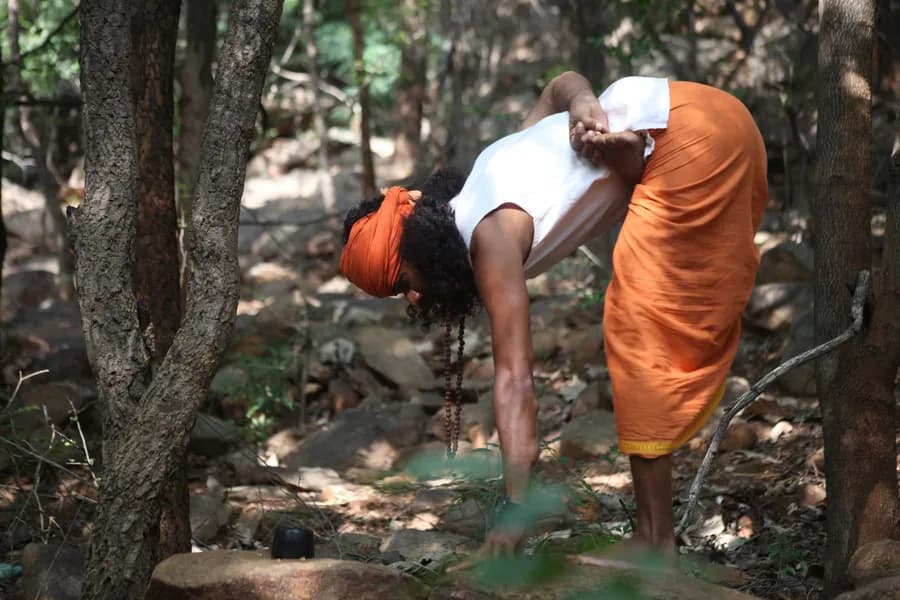
Photo: Shixart1985, CC BY 2.0, via Wikimedia Commons
Other Things That Affect Hair Alongside Stress
Anyone researching meditation for hair growth should know that stress is rarely the only factor at play, and it helps to know the other common contributors so you’re not pinning everything on one cause. Thyroid imbalances, iron deficiency, certain medications, postpartum hormonal shifts, and crash dieting can all trigger the same kind of temporary shedding that stress does — sometimes overlapping with it, sometimes acting entirely on their own. This is one reason meditation for hair growth should be thought of as addressing one contributor among several, not the whole picture, and why calling it “hair growth meditation” without that caveat would be misleading. If your diet is genuinely restrictive, or you’ve had recent major hormonal changes, those are worth examining alongside — not instead of — any stress-reduction practice.
Being Realistic About What This Can Do
To be clear about scope: meditation for hair growth is not a substitute for medical evaluation if you’re experiencing significant or unexplained hair loss — that deserves a dermatologist’s opinion, since there are many possible causes beyond stress. For general hair health alongside stress management, Habuild’s guide on strengthening hair follicles covers additional habits, including diet and scalp care, that work well alongside a meditation practice.
Frequently Asked Questions
Related Articles

Chakra Meditation: A 7-Chakra Guide for Beginners
Chakra meditation moves through all seven energy centres in a single sitting, giving beginners a felt sense of the whole system. Try a guided 7-chakra practice with Habuild.

Benefits of Meditation: A Simple, Honest Guide
What meditation can really do for your mind and body — and what it can't. Start noticing the shifts for yourself with Habuild's daily guided meditation practice.
Meditation for ADHD: What Actually Helps
Meditation for ADHD isn't a treatment or cure — it's a support for attention regulation, used alongside proper diagnosis and care. See what realistically helps, and try guided sessions with Habuild.