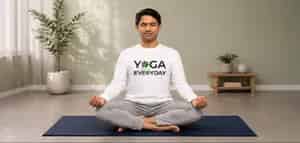
Meditation for ADHD: What Actually Helps
Meditation for ADHD isn't a treatment or cure — it's a support for attention regulation, used alongside proper diagnosis and care. See what realistically helps, and try guided sessions with Habuild.
Key Takeaways
- Meditation supports attention regulation for ADHD but isn’t a treatment or cure.
- Frequent wandering isn’t a sign it’s failing – it’s simply how ADHD attention works.
- Short two-to-three-minute sessions work better than long, traditional silent sits.
- Mindful walking or fidgeting while breathing are legitimate adaptations, not compromises.
- A concrete anchor, like the coolness of air at the nostrils, is easier to return to.
Meditation for ADHD is a genuinely useful complementary practice, but it needs an honest framing upfront: ADHD is a neurodevelopmental condition, and meditation is not a treatment or cure for it. What it can offer is support for attention regulation and self-awareness, used alongside — never instead of — proper diagnosis and treatment from a qualified professional.
Why Meditation for ADHD Can Help, Realistically
The core skill meditation trains — noticing when attention has wandered and gently returning it — maps onto exactly the challenge many people with ADHD describe. It won’t eliminate distractibility, since that has a neurological basis, but consistent practice can build a slightly stronger “catch and redirect” reflex over time, which some people find genuinely useful alongside their existing treatment plan.
There’s a specific reason meditation for ADHD needs its own approach rather than borrowing generic instructions wholesale. Most standard meditation guidance assumes a baseline ability to sustain attention for stretches of ten or twenty minutes before wandering becomes an issue worth mentioning. For many people with ADHD, wandering isn’t an occasional lapse — it’s near-constant, and treating every one of those moments as something to “fix” turns the whole session into a stream of tiny failures. The adaptation that actually helps is a change in expectation: the wandering-and-returning cycle itself, repeated dozens of times in five minutes rather than once or twice, is the practice, not a sign the practice isn’t working.
Mindfulness Exercises for ADHD Adults: What to Expect
Traditional long, silent sits are often the hardest starting point for ADHD, ironically. Short, movement-friendly sessions tend to work better:
- Start with just two to three minutes, not twenty. Set a visible timer so you’re not also holding “how much longer” as a background worry.
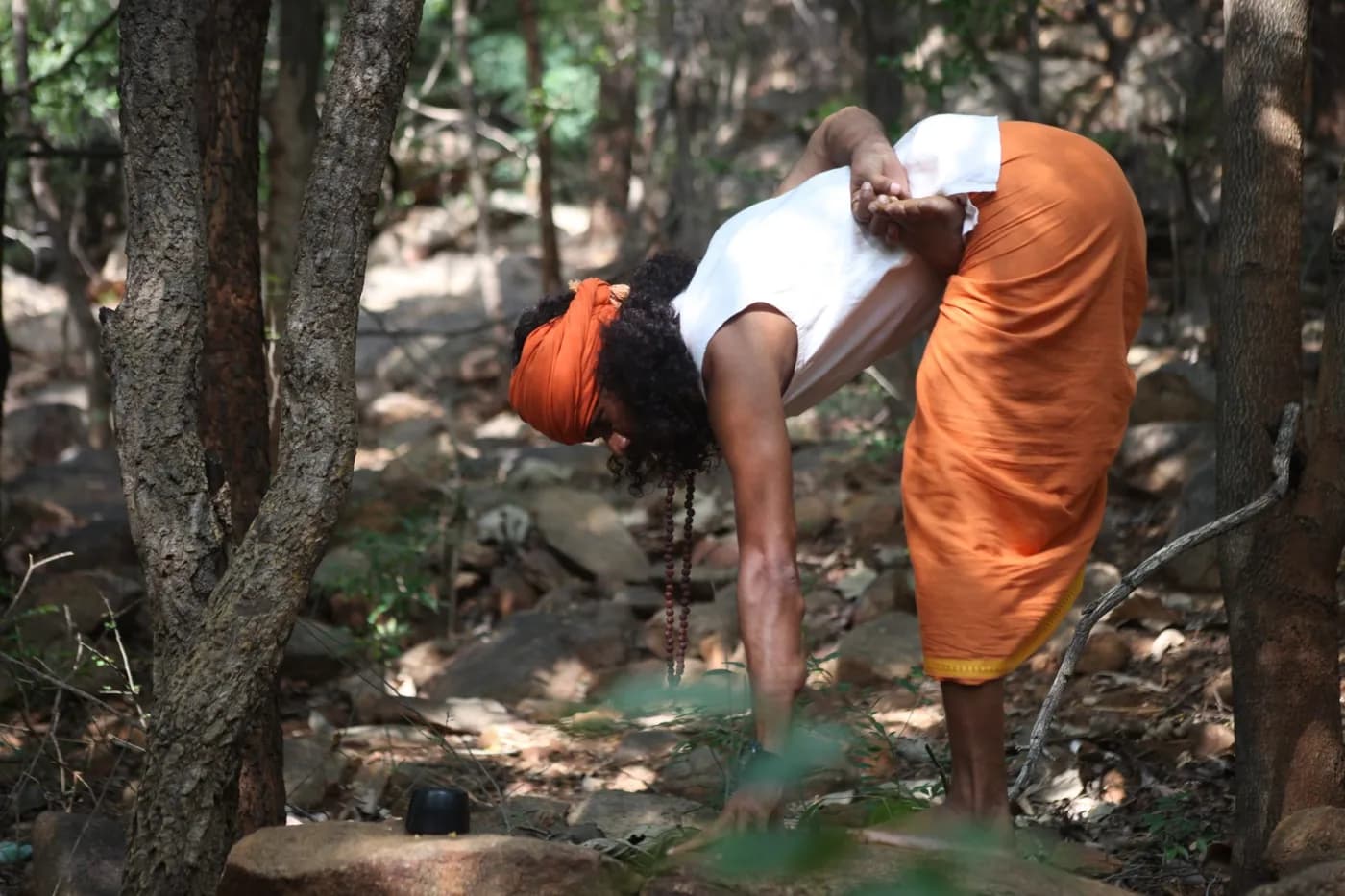
- Try mindful movement — walking slowly and noticing each step — instead of sitting still if stillness feels unbearable. Fidgeting with a small object in your hand while doing a breath-focused practice is also a legitimate adaptation, not a compromise.
- Anchor attention to something with more sensory texture than “the breath” in the abstract — the specific coolness of air at your nostrils, or the exact rise and fall of your chest — since a more concrete anchor is easier to return to than a vague one.
- Expect far more mind-wandering than “typical” guidance describes, and don’t treat that as failure — it’s simply how ADHD attention works, and the returning is still the practice.
A common mistake is choosing a guided meditation app built for a general audience and feeling discouraged when its 15-to-20-minute default doesn’t work. Look specifically for shorter tracks, or simply stop your own timer at three to five minutes rather than following someone else’s default length. Meditation for ADHD that actually works tends to be short, frequent, and forgiving rather than long and rigid.
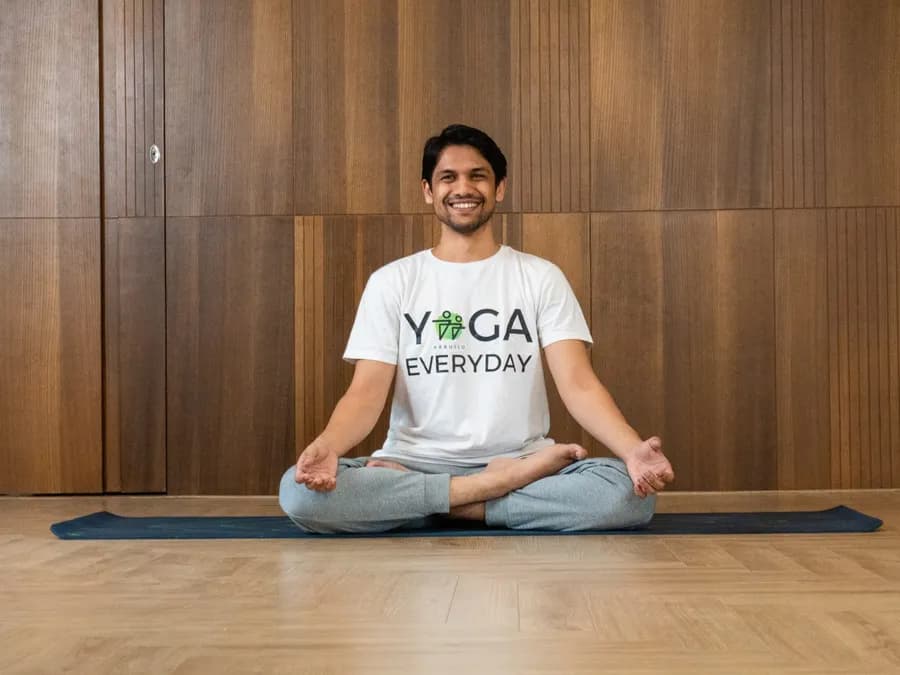
Photo: Sachinyadav99990, CC BY-SA 4.0, via Wikimedia Commons
Why Body-Based Practice Sometimes Works Better Than Sitting Still
Because ADHD attention often has a physical, restless quality to it, this is one area where meditation for ADHD really benefits from body-based practices as more sustainable entry points than pure breath-focused sitting. A short body scan — briefly noticing sensation in each part of the body in sequence — gives restless attention something concrete and sequential to move through, rather than asking it to rest on one static point. Similarly, a few rounds of slow, structured breathing (like a simple four-count inhale, four-count exhale) can occupy the counting part of the mind just enough to reduce the urge to wander, without needing the sustained stillness that a longer silent sit demands.
Building a Routine That Actually Sticks
Consistency matters more than session length when it comes to meditation for ADHD, but consistency itself is often the exact thing ADHD makes difficult — remembering to sit down, following through once distracted, sticking with something once the initial novelty fades. A few practical adjustments help close that gap. Attaching the practice to an existing habit — right after brushing your teeth, or right before opening your laptop for work — removes the need to remember it as a standalone task. Keeping sessions genuinely short (two to five minutes) also matters here in a second way beyond attention span: a short commitment is simply easier to actually start on a low-motivation day, and starting is usually the hardest part. Tracking practice with a visible checkmark or simple habit app can help too, since ADHD often responds well to concrete, visible feedback rather than abstract intentions.
This Works Best Alongside Treatment
It’s important to say this clearly: meditation for ADHD is a complement, not a substitute for medication, therapy, or behavioral strategies recommended by a doctor or specialist. If you haven’t been evaluated and suspect ADHD, please see a professional rather than relying on self-help content alone. For daily-life applications of attention training, Habuild’s guide on how to focus and our piece on meditation for concentration both pair well with an ADHD-adapted practice.
Meditation for ADHD is most useful as one small, consistent piece of a broader support plan. If you’d like gentle daily structure, Habuild’s free yoga challenge is a good place to start.
Frequently Asked Questions
Related Articles
Gyan Mudra: How to Do It and Its Benefits for Focus and Memory
Practice Gyan Mudra with Habuild. Follow the wisdom hand gesture steps to improve focus, reduce anxiety, and enhance your meditation practice. Start today!

Dhyana Mudra: How to Practice and Its Benefits for Meditation
Practice Dhyana Mudra with Habuild. Follow the meditation hand gesture steps to calm the mind, deepen concentration, and support your daily practice. Start!
Sukhasana (Easy Pose): Steps Benefits and Meditation Foundation
Try sukhasana with Habuild. Discover the sukhasana pose to improve posture, reduce stress, and cultivate a calm and focused mind. Start your session today!