
Chakra Meditation: A 7-Chakra Guide for Beginners
Chakra meditation moves through all seven energy centres in a single sitting, giving beginners a felt sense of the whole system. Try a guided 7-chakra practice with Habuild.
Key Takeaways
- Works with seven energy centers from base of spine to crown, each tied to a life theme.
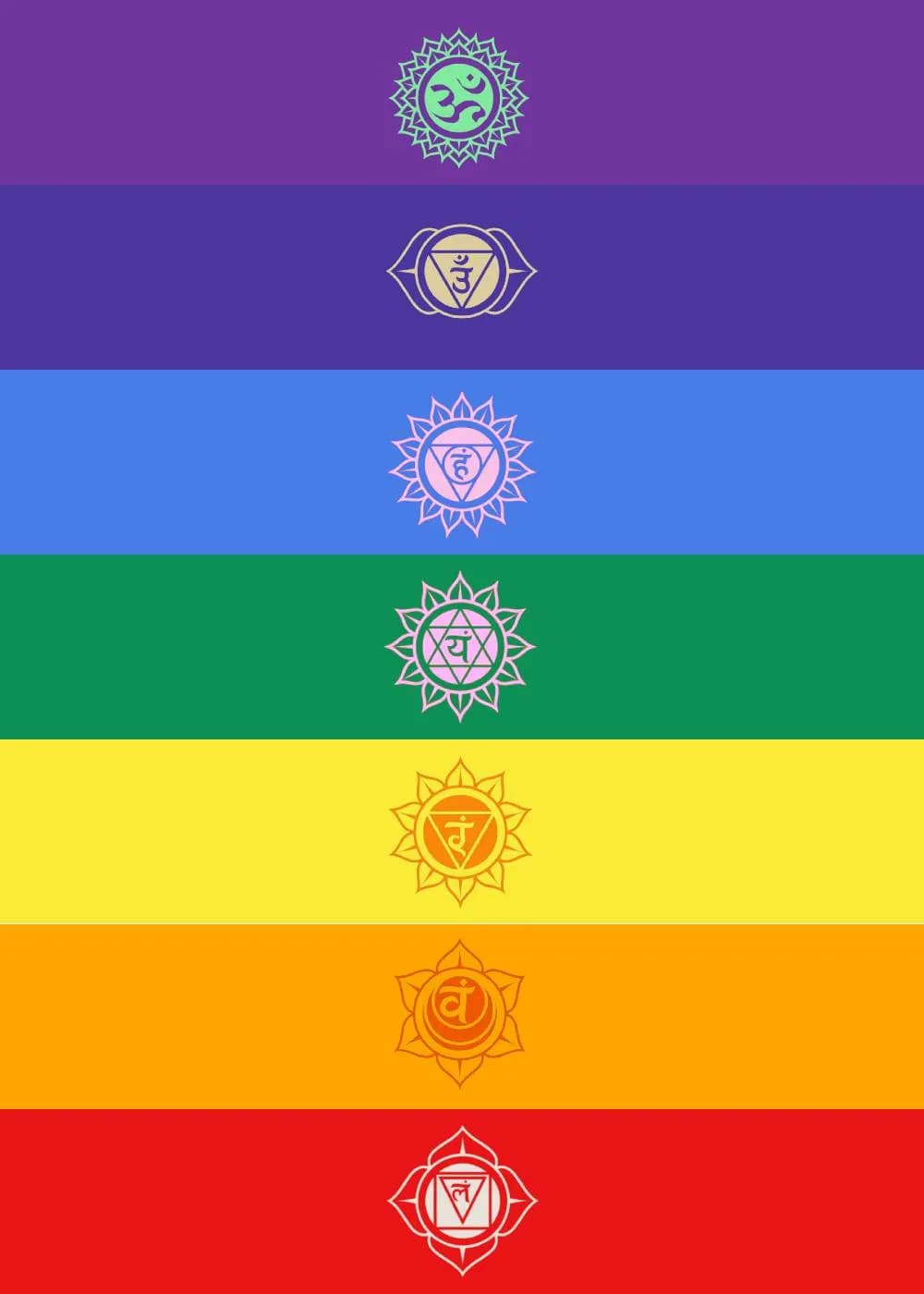
- Visualize each chakra’s color and quality in turn, from root (red) to crown (violet).
- Move slowly – rushing through all seven in under a minute defeats the visualization.
- Later, focus on just one chakra tied to whatever feels most relevant that week.
- Chakras come from yogic tradition, not medical science – approach with that context.
Chakra meditation works with the traditional yogic framework of seven energy centers running from the base of the spine to the crown of the head, each loosely associated with a different aspect of life — security, creativity, willpower, love, expression, intuition, and awareness. This overview practice moves through all seven together in a single sitting, rather than focusing on activating just one, giving you a felt sense of the whole system before you ever narrow in on a specific centre.
A Simple 7 Chakras Meditation Practice
- Sit comfortably with your spine reasonably upright, close your eyes, and take four or five settling breaths before you begin visualizing anything.
- Starting at the base of the spine (root chakra), visualize a soft red light glowing there and hold a simple intention around stability and security for thirty seconds to a minute — there’s no need to rush this.
- Move upward through each center in turn — sacral (orange, just below the navel, creativity), solar plexus (yellow, above the navel, willpower), heart (green, centre of the chest, love), throat (blue, at the throat, expression), third eye (indigo, between the eyebrows, intuition), and crown (violet, top of the head, awareness) — pausing briefly at each with its associated colour and quality before moving on.
- Close by sensing all seven centers together, as a single column of light running from the base of the spine to the crown, then slowly open your eyes.
This is a gentle, beginner-friendly way to explore chakra meditation for beginners without needing to memorize elaborate details about each individual centre right away. A common early mistake is rushing through all seven in under a minute just to “finish the sequence” — the visualization works better slower, even if that means covering only three or four centres properly in a shorter session rather than rushing through all seven.
Focusing on One Chakra Instead of All Seven
Once you’re familiar with the full sequence, many practitioners shift to working with a single chakra tied to whatever feels most relevant that week — the heart chakra during a period of grief or disconnection, the throat chakra before a difficult conversation, the root chakra during a stretch of financial or housing stress. The method is the same: settle into a few breaths, visualize that one centre’s colour steadily for five to ten minutes, and hold a simple, honest intention connected to it, rather than moving through the full sequence. This single-chakra approach tends to feel more personally relevant than the overview practice, even though it isn’t “more advanced” in any real sense — it’s simply a different use of the same tool.
Photo: Unknown 18th-19th century Indian painter, Public domain, via Wikimedia Commons
Being Honest About This Framework
Chakras come from a traditional yogic and tantric framework, not modern medical science, and there isn’t scientific proof of them as physical structures. That doesn’t make the visualization meaningless — many practitioners find real focus and calm in this structured, symbolic practice, in much the same way a guided body scan or a candle-flame focus point offers calm without requiring any particular belief. If you’d like to explore the movement-based approach to working with chakras through yoga postures instead, Habuild’s guide on how to balance chakras covers that complementary angle.
When and How Long to Practice Chakra Meditation
A full chakra meditation covering all seven centres works well first thing in the morning, before the day’s noise sets in, or in the evening as a way of settling before sleep — either slot works, as long as it’s a time you can sit undisturbed for fifteen to twenty minutes. If you’re short on time, a shortened version covering just three centres — root, heart, and crown, say — in five to seven minutes still offers a meaningful settling effect; you don’t need the full sequence every single day for chakra meditation to be worthwhile. Sitting on a cushion or folded blanket, with your back gently supported against a wall if needed, makes it easier to stay comfortable through the longer version without shifting around and breaking your focus.
Chakra Meditation Compared to Mantra or Breath-Based Practice
Chakra meditation leans on visual imagery — colour, location in the body, symbolic association — as its anchor for attention, where mantra meditation uses sound and breath meditation uses the sensation of breathing itself. None of the three is “better”; they simply suit different minds. If you find it hard to hold a mental picture steady but find sound or rhythm easier to follow, a mantra-based practice may settle you faster than visualization does, and it’s worth trying both before deciding which one you’ll stick with.
Habuild’s free yoga challenge is a good complementary daily practice alongside chakra-focused sessions.
Frequently Asked Questions
Related Articles
Dhyana Mudra: How to Practice and Its Benefits for Meditation
Practice Dhyana Mudra with Habuild. Follow the meditation hand gesture steps to calm the mind, deepen concentration, and support your daily practice. Start!

Moola Bandha (Root Lock): How to Practice and Its Energy Benefits
Practice Moola Bandha with Habuild. Learn the root lock steps to strengthen your pelvic floor, improve digestion, and support hormonal balance. Start today!
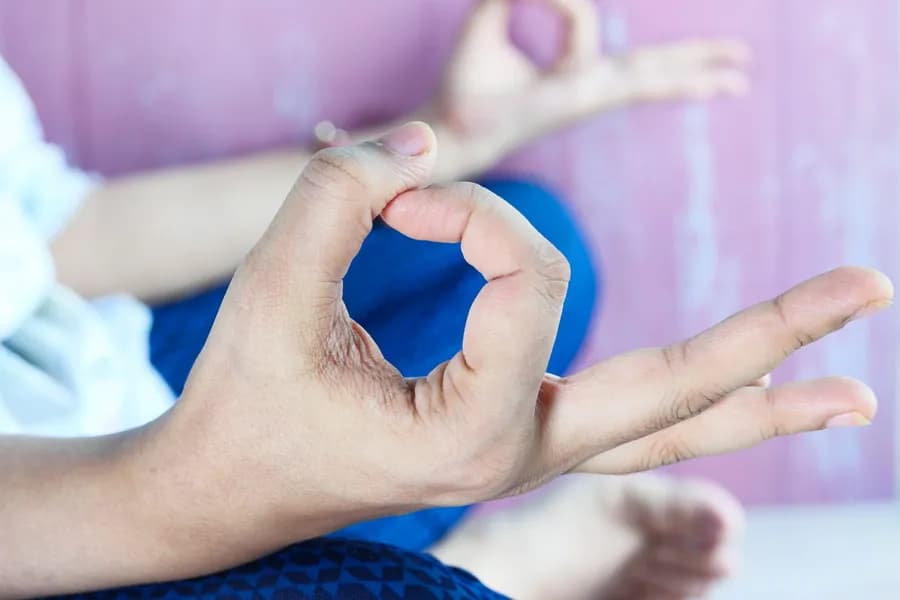
Gyan Mudra: How to Do It and Its Benefits for Focus and Memory
Practice Gyan Mudra with Habuild. Follow the wisdom hand gesture steps to improve focus, reduce anxiety, and enhance your meditation practice. Start today!