
Meditation for Loneliness: Finding Comfort Within
Meditation for loneliness won't replace real connection, but it can change your relationship with your own company. Explore this and other guided practices with Habuild.

Key Takeaways
- Meditation for loneliness won’t replace connection, but eases difficult feelings.
- Loving-kindness practice counters isolating thoughts like ‘no one cares.’
- A simple practice: silently offer yourself kindness, then extend it outward.
- Loneliness often spikes after big changes like a move, retirement, or loss.
- Works best as a steadying habit while you rebuild real-world connection.
Loneliness isn’t just about being physically alone — it’s the feeling of disconnection, even in a crowded room. Meditation for loneliness won’t replace real human connection, and it isn’t meant to, but it can offer a gentler relationship with your own company, and a way to sit with difficult feelings without them overwhelming you.
What Meditation for Loneliness Can Offer
A loving-kindness practice — silently wishing yourself and others well — is one of the more effective techniques for meditation for feeling lonely, since it directly counters the isolating stories loneliness often brings (“no one cares,” “I’m always alone”). It won’t manufacture connection, but it can soften the harshness of those thoughts and build a steadier sense of self-compassion in the meantime. Loneliness tends to narrow attention onto everything that confirms the feeling — the unanswered message, the empty evening — and loving-kindness practice works by deliberately widening that focus back out, toward warmth you can generate yourself and toward people who do care, even if they’re not physically present right now.
A Simple Practice to Try
- Sit quietly and take a few slow breaths, letting your shoulders drop.
- Silently offer yourself kindness: “May I feel at ease. May I be gentle with myself.” Repeat this two or three times, slowly, rather than rushing to the next step.
- Bring to mind someone who cares about you, even if they’re far away or no longer alive, and let that feeling settle for a moment. If no one specific comes to mind easily, a pet, a childhood memory of being cared for, or simply the intention of kindness itself can work just as well.
- Close by acknowledging: “This feeling is temporary. I am allowed to reach out.”
A common mistake is rushing through the self-kindness phrases as if they were an obligation rather than actually meaning them, which tends to leave the practice feeling flat. Slowing down enough to let each phrase land, even if it feels awkward or insincere at first, is what makes the difference over repeated sessions. A guided meditation for loneliness can be especially helpful here, since a warm voice offers a small sense of company during the practice itself.
Loneliness After a Big Life Change
Loneliness often spikes sharply around specific transitions — moving to a new city for work, an empty nest once children move out, retirement after decades of a structured routine, or the loss of a spouse or close friend. Meditation for loneliness in these situations can offer a genuinely useful bridge, a way to sit with the sharper edge of a new and unfamiliar quiet before a new routine or new relationships have had time to form. It’s worth naming clearly that this kind of loneliness is often temporary and situational rather than permanent, even when it doesn’t feel that way in the first weeks or months — and that meditation here works best as a steadying practice while you rebuild connection, not as a replacement for actively doing so.
Retirement in particular catches many people off guard, since decades of a structured, people-filled workday can end almost overnight, leaving a quiet that feels less like peace and more like absence. A daily loving-kindness practice here can offer a steady anchor point in an otherwise unstructured day, while also serving as a gentle daily reminder to actively seek out the new routines and relationships that will eventually fill that space back in.
Meditation Is a Support, Not a Substitute for Connection
It’s important to say plainly: meditation for loneliness helps you sit with the feeling more gently, but real connection — a call to a friend, joining a group, reaching out even when it feels hard — is what actually addresses loneliness at its root. If loneliness is persistent and heavy, our piece on meditation for peace explores related practices for building inner steadiness, but please don’t let meditation become a reason to avoid reaching out to people.
Frequently Asked Questions
Related Articles
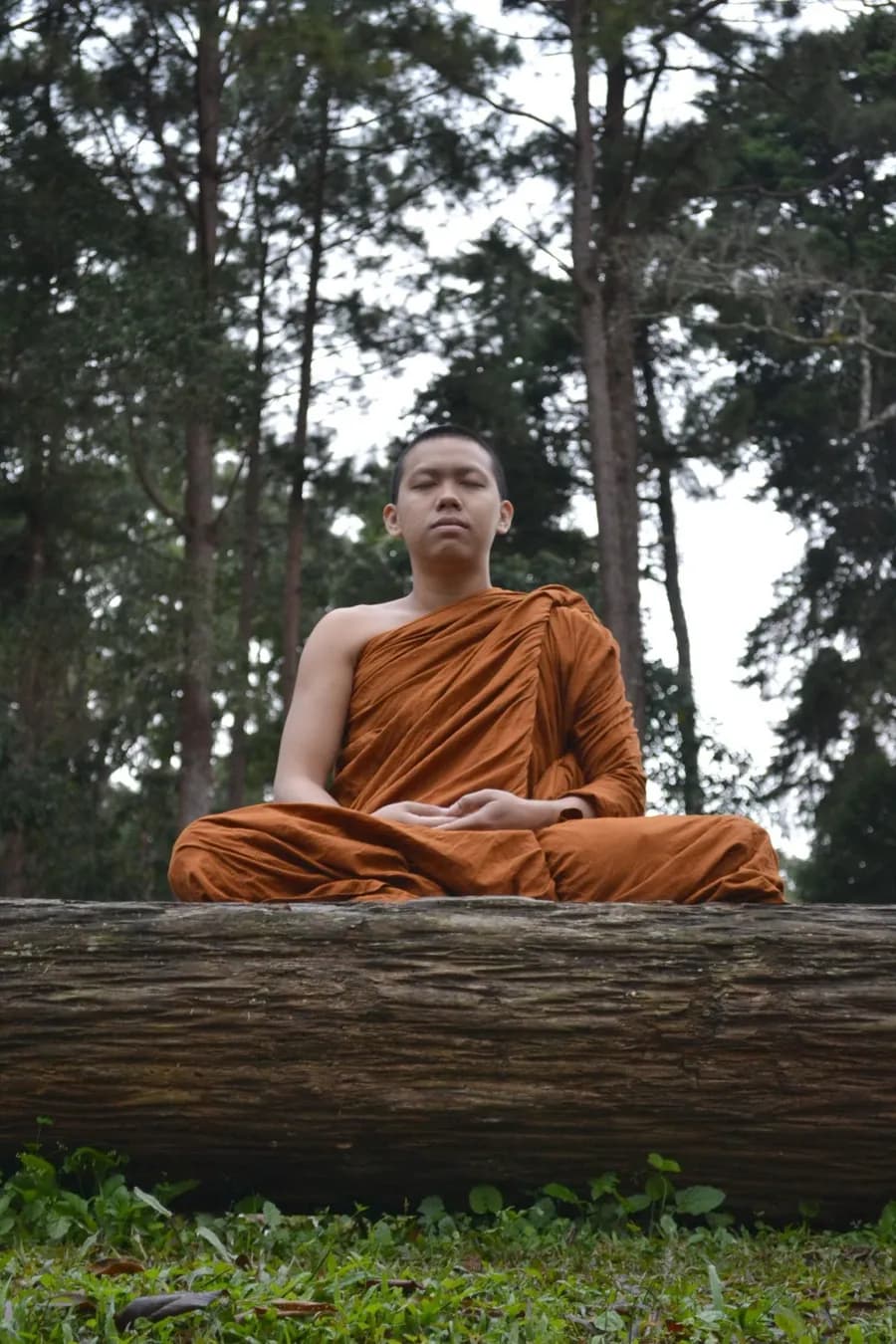
Anapana Meditation: Technique and Benefits
Anapana meditation, one of the oldest breath-awareness practices, simply asks you to observe the natural breath without controlling it. Learn the technique with Habuild's guided sessions.
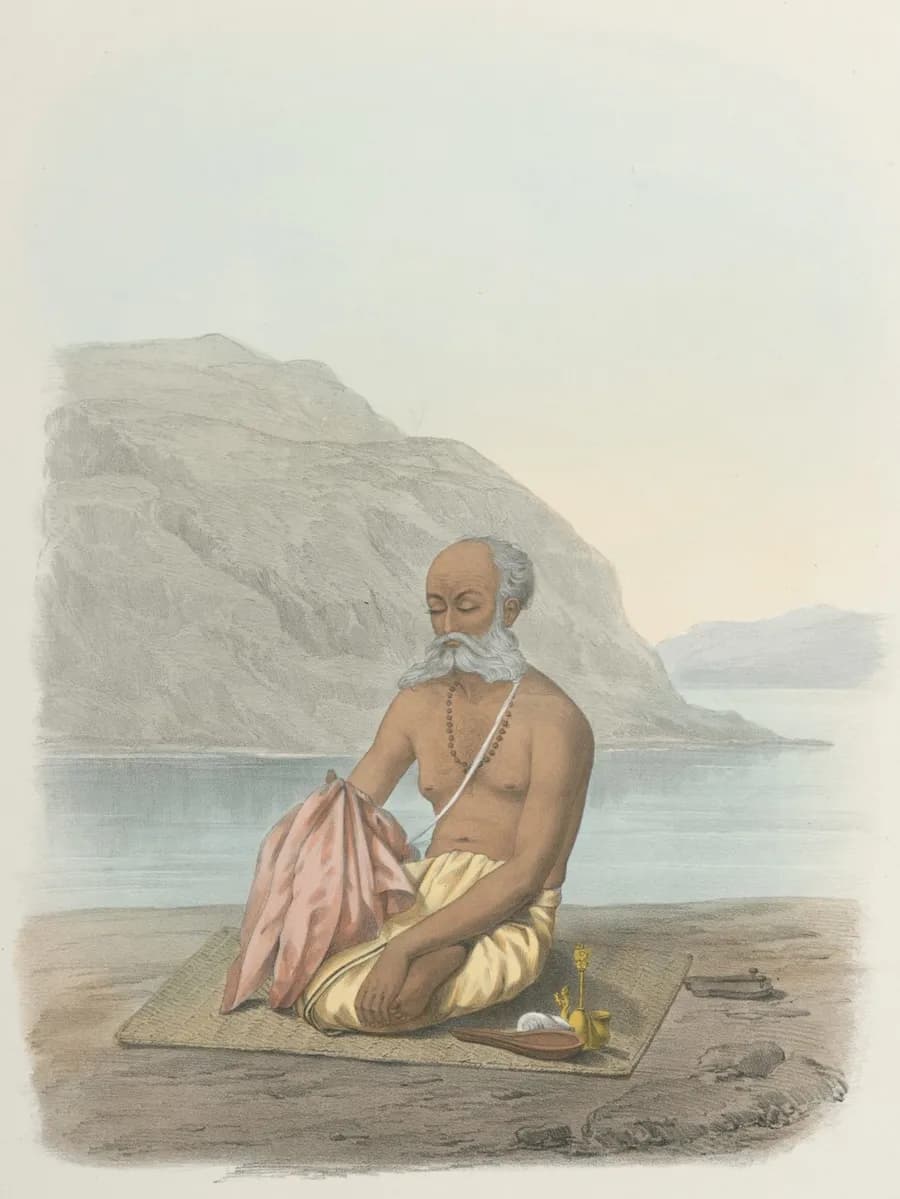
Mantra Meditation: How It Works and How to Start
Mantra meditation uses a repeated word or sound instead of the breath as your anchor — often easier to hold onto on busy, distracted days. Learn how to start with Habuild's guided sessions.

Binaural Beats Meditation: Does It Work?
Binaural beats meditation plays two slightly different tones, one in each ear, so the brain perceives a third pulsing beat used as a calming anchor. Learn how to try it, and what the evidence actually supports.