
Anapana Meditation: Technique and Benefits
Anapana meditation, one of the oldest breath-awareness practices, simply asks you to observe the natural breath without controlling it. Learn the technique with Habuild's guided sessions.
Key Takeaways
- Anapana means ‘in-breath and out-breath’ – the Buddha’s own breath-awareness practice.
- Often taught as the foundational first step before deeper Vipassana practice.
- Attention rests on breath sensation right at the nostrils, without changing the breath.
- Focus narrows over time from the nostril-to-lip area to one small point below the nose.
- Trying to control or deepen the breath is the most common beginner mistake.
Anapana meditation is one of the simplest and oldest forms of breath-awareness practice, rooted in Buddhist tradition, where “anapana” literally means “in-breath and out-breath” — “ana” for inhalation, “apana” for exhalation. It’s often taught as a foundational practice — including as the first step before deeper Vipassana practice — precisely because it’s so straightforward: just observing the natural breath, without controlling it. Tradition holds this as the very practice the Buddha himself used before his awakening, which is part of why it continues to be taught essentially unchanged after so many centuries.
The Technique
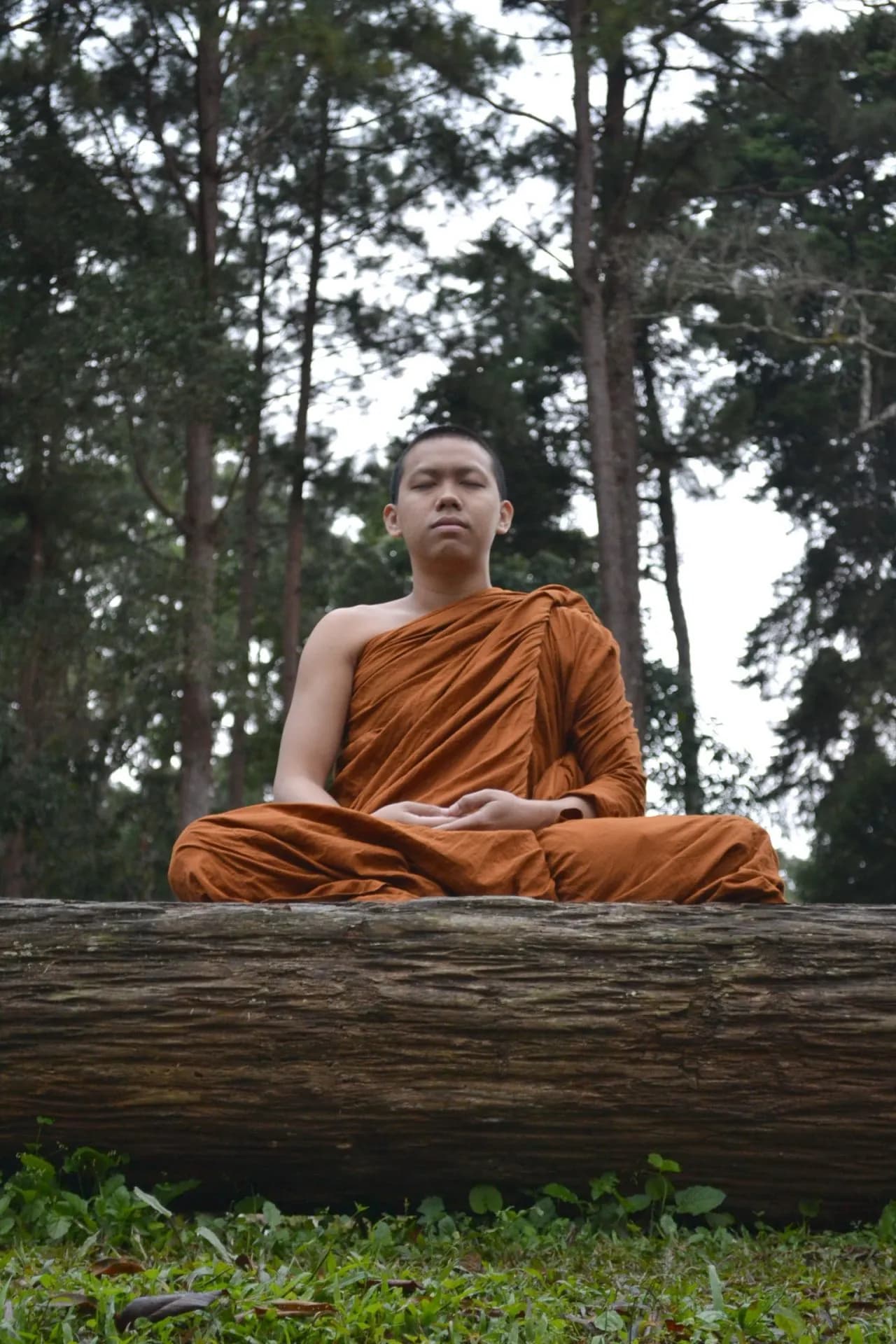
Anapanasati meditation, the fuller traditional name meaning “mindfulness of breathing,” involves sitting quietly, spine upright, eyes closed, and resting attention on the sensation of breath at the nostrils — the subtle coolness on the inhale, warmth on the exhale — without changing the breathing pattern in any way. Traditional instruction usually narrows the area of focus over time: begin by noticing breath sensation across the whole area from the nostrils to the upper lip, and as concentration steadies, let attention settle on a smaller point, often just below the nostrils, where the sensation is most distinct. When the mind wanders, you simply notice and return attention to the same spot, without frustration or self-criticism — the noticing itself is the practice, not a sign of failure.
Why the Nostrils Specifically
Of all the places breath can be felt — the rise and fall of the chest, the expansion of the belly, the nostrils — anapana meditation deliberately chooses the nostrils because the sensation there is subtle and small enough to demand real attention, without being so faint it’s impossible to find. A big, obvious sensation like the chest rising doesn’t train concentration the same way a fine, easily-missed sensation does. This is also why anapana meditation is considered good preparation for Vipassana: the sharpened, narrow attention built by watching a small area at the nostrils is the same quality of attention Vipassana later applies across the whole body.
Common Mistakes and How to Correct Them
The most common mistake is trying to control or deepen the breath — anapana specifically asks you to leave the breath exactly as it naturally is, whether shallow, uneven, or fast, and just observe it. If you notice yourself breathing more deliberately to “do it right,” gently let the breath fall back into its own rhythm. A second common mistake is letting attention drift from the nostrils down into the chest or belly, or into broader body sensations — that broader scanning is the territory of Vipassana, which comes later; anapana asks you to keep returning specifically to the nostril area. A third mistake is treating restlessness or boredom as a sign the technique isn’t working — noticing restlessness clearly, without acting on it, is itself part of what the practice is training.
Photo: Thamizhpparithi Maari, CC BY-SA 3.0, via Wikimedia Commons
Anapana Meditation Course: What to Expect
Many practitioners first encounter this practice through a structured anapana meditation course, often taught over a few days as preparation for a longer Vipassana retreat. These courses typically involve extended silent sitting, building the sustained attention that later Vipassana practice relies on, along with brief daily guidance sessions explaining the technique in more depth. You don’t need a formal course to start, though — the basic technique can be practiced independently at home, and many people build a stable daily habit this way before ever attending a structured course.
Anapana for Beginners vs Retreat Practice
At home, a short daily anapana meditation session of ten to twenty minutes is a completely legitimate practice on its own, not merely a lesser version of the “real thing.” A residential anapana meditation course simply extends the same technique across many hours a day for several days, which builds a depth of concentration that’s hard to reach in short home sessions, but isn’t a different technique — just more sustained exposure to the same simple instruction. Beginners shouldn’t feel they need a retreat before starting; the technique itself is identical, just the duration and intensity differ.
Anapana vs Vipassana
Anapana focuses purely on breath awareness at a fixed point, while Vipassana extends this same trained attention into scanning bodily sensations more broadly. Anapana meditation is often described as the doorway into Vipassana — the same foundational skill, applied more narrowly at first. If you’re curious about the fuller practice this leads into, our detailed guide on Vipassana meditation covers it in depth. For a broader introduction to the Buddhist meditation tradition anapana comes from, our guide on Buddhist meditation is a useful next stop, and if you’d like to compare it with other quiet-sitting approaches, silent meditation covers a related but distinct style.
Habuild’s free yoga challenge is a gentle way to build a consistent daily practice alongside this technique.
Frequently Asked Questions
Related Articles
Dhyana Mudra: How to Practice and Its Benefits for Meditation
Practice Dhyana Mudra with Habuild. Follow the meditation hand gesture steps to calm the mind, deepen concentration, and support your daily practice. Start!
Sukhasana (Easy Pose): Steps Benefits and Meditation Foundation
Try sukhasana with Habuild. Discover the sukhasana pose to improve posture, reduce stress, and cultivate a calm and focused mind. Start your session today!
Chin Mudra: How to Practice and Its Benefits for Calm and Clarity
Practice Chin Mudra with Habuild. Follow the consciousness hand gesture steps to calm the mind, improve focus, and deepen your pranayama practice. Start today!