
Meditation for Mental Health: An Honest, Practical Guide
Meditation for mental health can support everyday wellbeing — but it isn't therapy, and it isn't medicine. Learn where it actually fits, and try Habuild's guided sessions.

Key Takeaways
- A well-studied wellness practice for everyday wellbeing – not therapy, not medicine.
- Never a replacement for therapy or psychiatric care with a diagnosed condition.
- It’s strength training for attention: notice the mind wander, bring it back, repeat.
- Everyday stress resilience has the clearest research support of any benefit.
- Believing you must ‘switch off’ your thoughts is a common early misunderstanding.
If you have been curious about meditation for mental health, you have probably come across two very different kinds of claims. One side says meditation can fix almost anything. The other says it is just sitting quietly and doing nothing useful. The truth, as usual, sits somewhere in between. Meditation for mental health is a genuinely helpful, well-studied practice for everyday mental wellbeing — but it is not therapy, and it is not medicine. Understanding this difference clearly is the most important thing you can do before you begin practicing meditation for mental health.
This article is meant to give you a grounded, no-hype picture. We will talk about how meditation supports mood, stress, and emotional awareness in daily life, where it falls short for diagnosed conditions, and a simple breathing practice you can try today. Think of this as a friend explaining things over chai, not a doctor handing you a prescription.
What Meditation for Mental Health Really Means
At its core, meditation is a set of simple mental training exercises — usually involving focused attention on the breath, a sound, or a sensation. When people talk about meditation for mental health, they usually mean using these exercises to feel calmer, notice their thoughts and emotions more clearly, and respond to daily stress with a little more steadiness instead of instant reactivity.
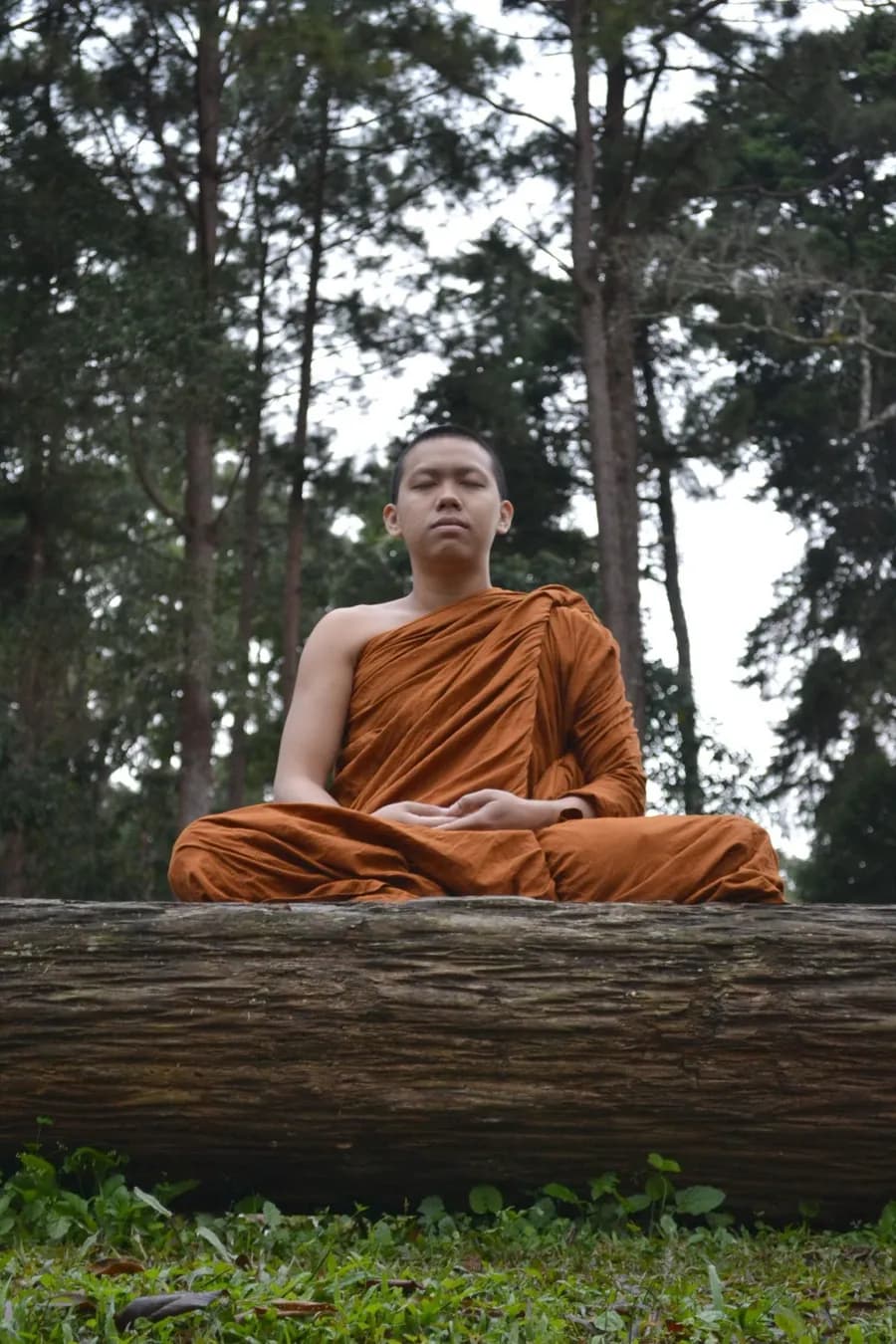
It is not about switching off your thoughts or forcing your mind to go blank. That is a common misunderstanding that puts many beginners off within the first week, because they feel like they are “failing” at it. Meditation is closer to strength training for attention. You notice your mind has wandered, you gently bring it back, and you repeat. That noticing itself — done again and again — is what builds the mental habit that eventually shows up as calmer moods and clearer thinking in ordinary life.
It is also worth saying plainly: meditation is a wellness practice, not a clinical treatment. If you are managing a diagnosed condition such as depression, an anxiety disorder, bipolar disorder, or any other mental health diagnosis, meditation can be a genuinely useful addition alongside your therapy, counselling, or psychiatric care — but it should never replace that professional support.
The Benefits of Meditation for Mental Health You Can Actually Expect
Research over the last two decades has looked closely at meditation and mental health, and some patterns show up consistently enough that we can talk about them with confidence. These are the areas where the benefits of meditation for mental health are best supported:
Everyday stress resilience is probably the clearest one. Regular practice tends to lower the intensity of your stress response — the racing heart, the tight chest, the spiralling thoughts before a big meeting or a difficult conversation. You still feel stress, but it does not take over as completely, and it settles faster afterward.
Mood regulation is another area with good support. People who meditate regularly often report fewer extreme mood swings over the course of a normal day — not because problems disappear, but because there is a small gap that opens up between “something happens” and “I react.” That gap is where better choices live.
Emotional awareness improves too. Many people go through entire days on autopilot, only noticing they were anxious or irritated after the fact. Meditation trains you to catch these feelings earlier, while there is still room to do something about them — talk to someone, take a walk, or simply acknowledge the feeling instead of pushing it down. That early catch is one of the quieter, more useful benefits of meditation for mental health.
Focus and mental clutter also tend to improve with consistent practice, which indirectly supports mental health since a cluttered, distracted mind often feels more overwhelmed by ordinary life. If you want to go deeper on how movement-based practices support the same goals, Habuild’s piece on the best yoga for mental health pairs well with meditation, since yoga combines breath work with gentle physical movement. Many people also find that meditation works best as part of a broader routine — our article on the benefits of exercise for mental health explains why physical activity and mindfulness tend to reinforce each other rather than compete for your time.
None of these benefits are dramatic overnight transformations. They build slowly, the way fitness builds slowly, through repetition rather than intensity — that’s simply how meditation for mental health works.
Where Meditation for Mental Health Is Not Enough on Its Own
This is the part that gets glossed over too often, and we want to be direct about it. Meditation is not a sufficient standalone treatment for clinical or diagnosed mental health conditions. If you are dealing with major depression, panic disorder, obsessive-compulsive disorder, bipolar disorder, PTSD, or any condition that a doctor or psychiatrist has diagnosed, sitting for ten minutes a day is not going to be enough on its own — and treating it as though it should be can actually delay you from getting the care you need.
There is also a small but important caution worth knowing: for a small number of people, particularly those with a history of trauma or certain psychiatric conditions, intense or prolonged meditation can sometimes bring up difficult emotions or memories faster than expected. This is not a reason to avoid meditation altogether, but it is a good reason to start gently, keep sessions short, and talk to a mental health professional if anything about your practice feels overwhelming rather than calming.
If you notice persistent sadness, loss of interest in things you used to enjoy, constant worry that interferes with daily life, sleep that has fallen apart for weeks, or thoughts of harming yourself, please reach out to a qualified therapist, counsellor, or doctor. Meditation for mental health can sit alongside that care beautifully. It cannot substitute for it.
Photo: A group meditation session in a park in a yoga asana, CC BY 2.0, via Wikimedia Commons
Meditation for Mental Health: A Complementary Practice, Not a Cure
The healthiest way to think about meditation and mental health is as one supportive pillar among several, not a cure-all standing on its own. Picture your mental wellbeing resting on a few legs of a table — sleep, movement, social connection, meaningful work or purpose, and professional support when needed. Meditation for mental health strengthens one of those legs. It does very little if the others are badly neglected.
This is actually good news, because it means you do not need meditation to be perfect or life-changing for it to be worth doing. A short daily practice that simply takes the edge off your stress and helps you notice your emotions a little sooner is already doing its job well. That’s a realistic, honest way to think about meditation for mental health.
Meditation for Mental Health: A Simple 10-Minute Practice to Start Today
You do not need an app, a cushion, or a special room to begin. Here is a simple breath awareness practice you can try daily.
Find a quiet corner and sit comfortably, on a chair or on the floor, with your back reasonably straight but not stiff. Close your eyes or lower your gaze softly. For the first minute, simply notice your breath as it naturally is — do not change it, just observe whether it is fast, slow, shallow, or deep.
For the next seven or eight minutes, gently rest your attention on the sensation of breathing. This could be the rise and fall of your chest or belly, or the feeling of air passing through your nostrils. When your mind wanders off — and it will, many times, that is completely normal — simply notice that it wandered, and without frustration, bring your attention back to the breath. This returning is the actual exercise, not a sign you are doing it wrong.
In the final minute, let your breath return to whatever feels natural, take a moment to notice how your body and mind feel compared to when you started, and slowly open your eyes.
Do this at roughly the same time each day if you can — many people find mornings work well, before the day’s demands crowd in. Consistency matters far more than duration here. Ten honest minutes of meditation for mental health daily will do more for you than an hour once a week.
Meditation for Mental Health: Combine It With Other Supports
Meditation works best as one part of a fuller picture, not a replacement for the rest of your life. Protecting your sleep, moving your body regularly, staying connected to friends and family, and reaching out for professional help when something feels bigger than you can handle alone — these all matter as much, if not more.
If you are already in therapy or under psychiatric care, mention to your therapist or doctor that you are adding meditation to your routine. They can help you understand how it fits alongside whatever treatment plan you are following, and flag anything specific to your situation that is worth being mindful of.
Frequently Asked Questions
Related Articles

Buddha Meditation: An Introduction to the Traditions
Buddha meditation isn't one technique but a family of traditions, all rooted in training the mind to see clearly rather than react on autopilot. Explore the main schools, and try guided sessions with Habuild.

Binaural Beats Meditation: Does It Work?
Binaural beats meditation plays two slightly different tones, one in each ear, so the brain perceives a third pulsing beat used as a calming anchor. Learn how to try it, and what the evidence actually supports.
Anapana Meditation: Technique and Benefits
Anapana meditation, one of the oldest breath-awareness practices, simply asks you to observe the natural breath without controlling it. Learn the technique with Habuild's guided sessions.