
Buddha Meditation: An Introduction to the Traditions
Buddha meditation isn't one technique but a family of traditions, all rooted in training the mind to see clearly rather than react on autopilot. Explore the main schools, and try guided sessions with Habuild.
Key Takeaways
- An umbrella of traditions – Vipassana, Anapana, Zen, Metta – not one fixed technique.
- Vipassana observes body sensations; Anapana is breath awareness taught before it.
- Zen’s zazen uses seated stillness, sometimes paired with a koan or breath focus.
- Metta deliberately generates warm wishes, starting with yourself and extending outward.
- Sessions typically run 15-45 minutes for regulars, 5-10 minutes for beginners.
Buddha meditation isn’t one single technique — it’s an umbrella covering several distinct traditions that developed across different regions and centuries, each with its own emphasis, though all rooted in the same core teachings about attention, awareness, and the nature of suffering. Whether it reached you through a Theravada lineage in Southeast Asia, Zen in Japan, or a more secular, modern framing, the shared thread across every school of buddha meditation is training the mind to see clearly, moment to moment, rather than reacting on autopilot.
The Main Traditions Within Buddha Meditation
Buddha meditation is best understood as a family of related techniques rather than one fixed method.
Vipassana, meaning “insight,” involves systematically observing bodily sensations to develop deep awareness — this is the tradition most associated with the popular 10-day silent retreats. Anapana is breath-awareness practice, often taught as a foundation before Vipassana. Zen (from the Japanese tradition) emphasizes seated stillness, often called zazen, sometimes paired with a teacher-guided koan (a paradoxical question meant to exhaust ordinary logical thinking) or a simple breath focus. Metta, or loving-kindness meditation, works differently again — instead of observing sensations neutrally, the practitioner deliberately generates warm wishes, starting with oneself and gradually extending outward to loved ones, neutral people, difficult people, and eventually all beings. Each approaches the same underlying goal of buddha meditation — a clearer, calmer, less reactive mind — from a slightly different angle.
How a Typical Buddha Meditation Session Is Structured
Regardless of tradition, most seated sessions follow a similar shape. You begin by settling into a stable posture — cross-legged on a cushion or upright in a chair, hands resting comfortably, eyes closed or softly lowered. Attention is brought to an anchor: the breath at the nostrils or belly in Anapana, a systematic body scan in Vipassana, or a repeated phrase of goodwill in Metta. When the mind wanders, which it will, the instruction across nearly all these traditions is the same — notice where it went, without judgment, and return to the anchor. Many teachers also introduce “noting,” a soft mental label like “thinking” or “feeling” the moment a distraction is noticed, which makes the return to the anchor quicker and less effortful over time. Sessions typically run fifteen to forty-five minutes for regular practitioners, though beginners usually start at five to ten minutes and build up gradually.
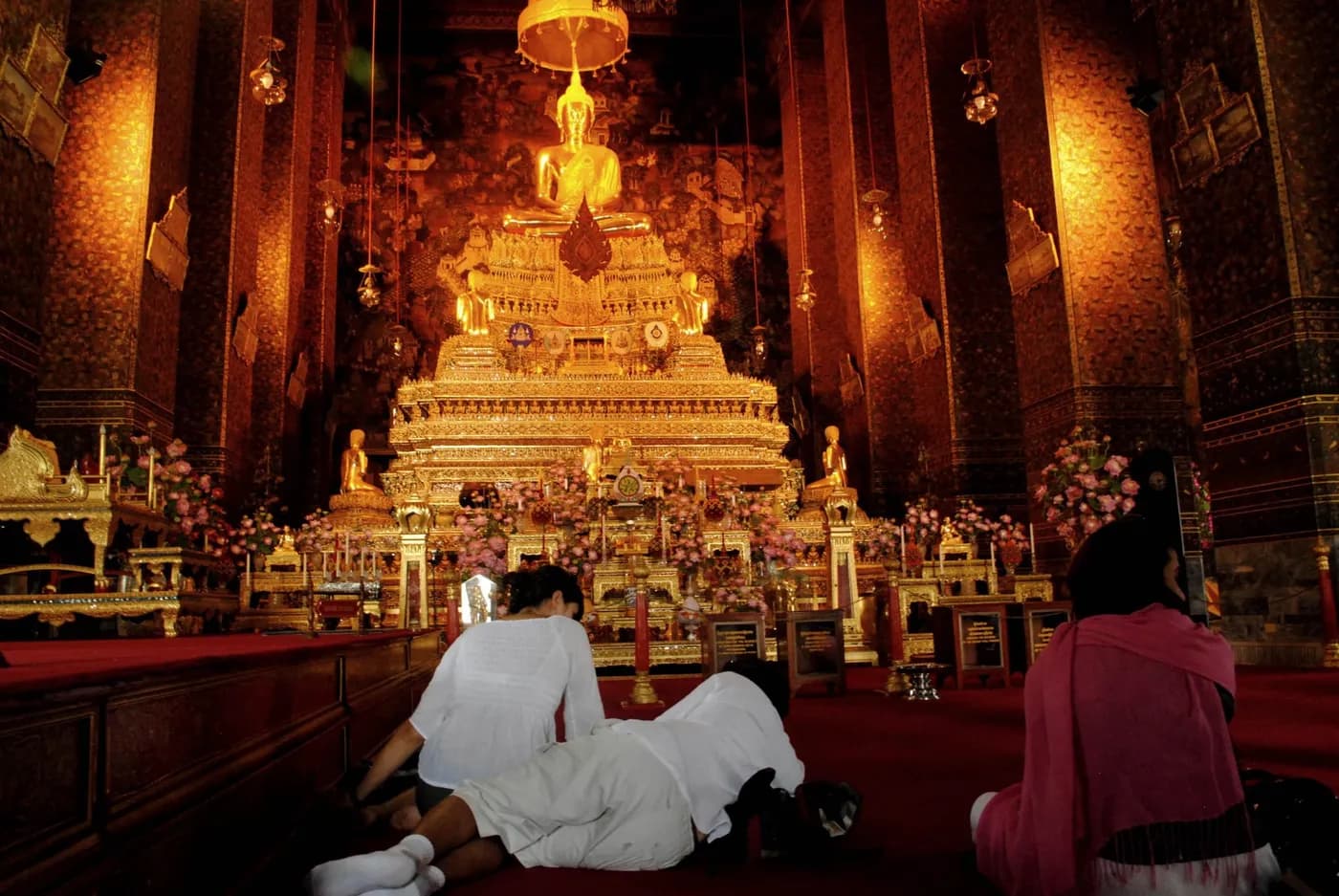
Photo: Santoshponnam, CC BY-SA 4.0, via Wikimedia Commons
Finding a Buddhist Retreat or Community
If you’re curious about deepening practice within a specific tradition, searching for a buddhist retreat or a local buddhist meditation near me search can connect you with experienced teachers and a structured setting, which many people find valuable for learning correctly rather than piecing together instructions alone. That said, you don’t need a retreat to begin — starting with a simple breath-awareness practice at home is a completely valid first step.
Retreats vary quite a bit in length and intensity. Some centres offer single-day introductory sessions built around short guided sittings and a talk, which are a gentle way to get a feel for a tradition without committing to much. Others, particularly serious Vipassana centres, run the well-known 10-day silent courses, with no phones, no talking, and a demanding schedule of many hours of sitting daily — these are intensive and genuinely not the place to start if you’ve never sat still for even ten minutes before. A short home practice for a few weeks first makes a longer retreat far more manageable when you do decide to attend one.
Buddha Meditation vs Yogic Meditation
Because Habuild’s broader content sits within Indian yoga tradition, it’s a fair question how buddha meditation relates to yogic meditation styles like mantra repetition or pranayama-based practices. The techniques often overlap in mechanics — both use an anchor, both train the mind to notice and return — but the philosophical framing differs. Yogic meditation traditions often work toward union with a larger consciousness or the stilling of mental fluctuations as described in classical yoga texts, while buddha meditation traditions are typically framed around insight into impermanence and the reduction of suffering through clear seeing. In practice, many people blend elements freely — a breath-focused Anapana-style sitting pairs naturally with a regular yoga and pranayama routine, and neither tradition requires exclusive commitment to benefit from it.
Where to Start
If the systematic body-awareness approach appeals to you, our detailed guide on Vipassana meditation is the natural starting point. If you’d prefer the simpler breath-only foundation first, Anapana meditation is a gentler entry point into the same broader tradition.
Habuild’s free yoga challenge offers a simple, accessible way to build a daily meditation habit alongside exploring these traditions.
Frequently Asked Questions
Related Articles
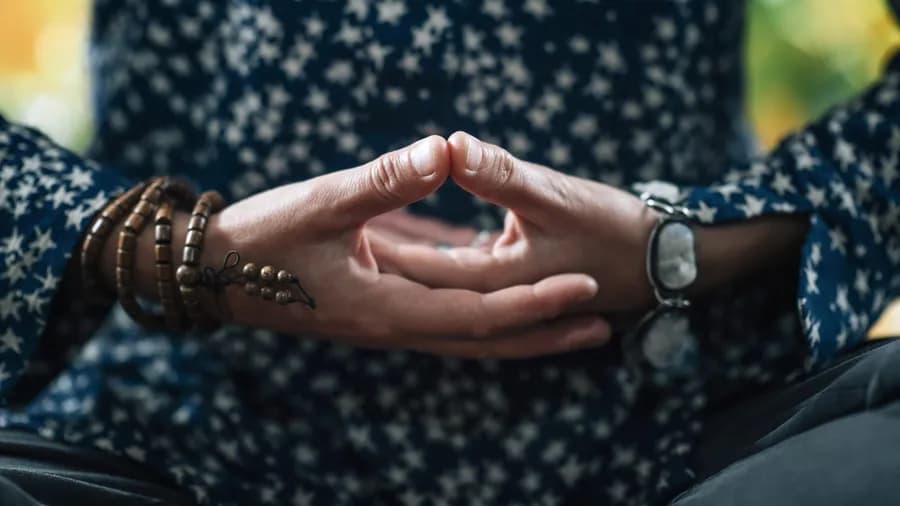
Dhyana Mudra: How to Practice and Its Benefits for Meditation
Practice Dhyana Mudra with Habuild. Follow the meditation hand gesture steps to calm the mind, deepen concentration, and support your daily practice. Start!

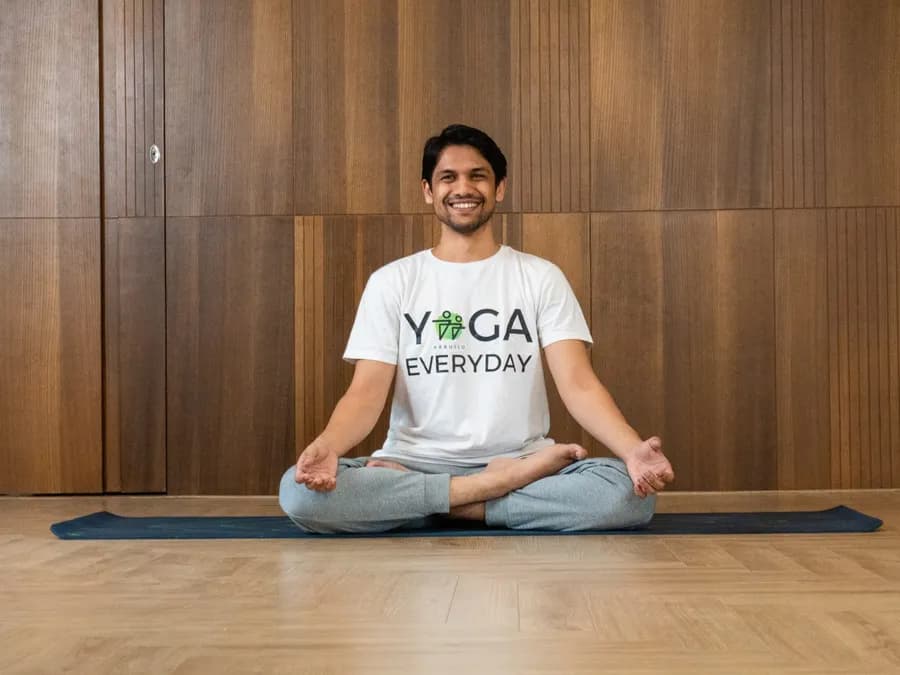
Sukhasana (Easy Pose): Steps Benefits and Meditation Foundation
Try sukhasana with Habuild. Discover the sukhasana pose to improve posture, reduce stress, and cultivate a calm and focused mind. Start your session today!
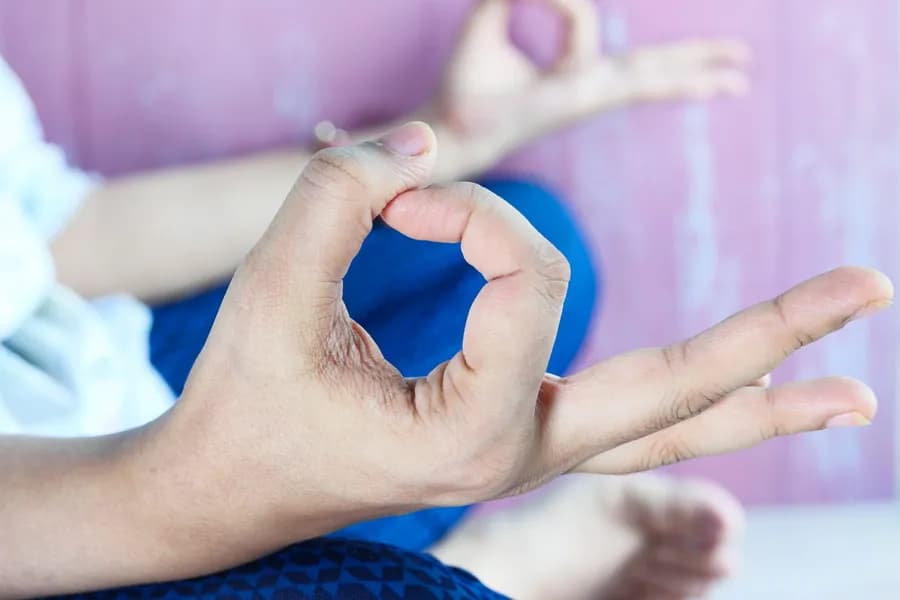
Gyan Mudra: How to Do It and Its Benefits for Focus and Memory
Practice Gyan Mudra with Habuild. Follow the wisdom hand gesture steps to improve focus, reduce anxiety, and enhance your meditation practice. Start today!