
Sahaj Samadhi Meditation: What It Is and How to Learn It
Sahaj samadhi meditation is a mantra-based technique that helps the mind settle into an effortless, restful state, typically learned through a structured course. Explore guided meditation options with Habuild.
Key Takeaways
- A mantra-based technique taught mainly through the Art of Living Foundation.
- ‘Sahaj’ means natural or effortless; ‘samadhi’ is a deeply settled meditative state.
- Learned through a structured course where a teacher assigns a personalized mantra.
- Practiced twice daily for about twenty minutes once the course is complete.
- Course fees vary by region and teacher – confirm directly with a local chapter.
Sahaj samadhi meditation is a mantra-based technique, taught most widely through the Art of Living Foundation, designed to help the mind settle into a state of “effortless” restfulness — “sahaj” meaning natural or effortless, “samadhi” referring to a deeply settled meditative state. Practitioners typically sit for around twenty minutes, twice a day, once they’ve completed the course and learned their personal mantra.
How It’s Typically Taught
Unlike many self-taught techniques, sahaj samadhi meditation is traditionally learned through a structured, in-person or live-online course, where a certified teacher provides a personalized mantra suited to the practitioner, usually selected based on a brief conversation or questionnaire about temperament and needs rather than assigned at random. This is a deliberate part of the tradition — the technique isn’t typically self-taught from written instructions alone, and teachers within this lineage are fairly consistent in discouraging people from trying to guess or borrow a mantra rather than receiving one through the course.
Sahaj Samadhi Meditation Course: What to Expect
A typical sahaj samadhi meditation course runs across a few sessions over two to four days, covering the technique’s philosophy, breathing preparation exercises to help the body settle before sitting, and the personalized mantra practice itself, introduced gradually rather than all at once. Most courses build in supervised practice time during the sessions themselves, so you leave having actually sat with the technique under guidance rather than only having heard about it. This is usually followed by ongoing group sittings — often weekly — for continued practice, troubleshooting, and community support once the course itself has ended.
Sahaj Samadhi Meditation Course Fees
Sahaj samadhi meditation course fees vary by region, teacher, and organization, and are best confirmed directly with your local Art of Living chapter or certified teacher, since pricing isn’t standardized globally. Many organizations also offer scholarships or reduced rates in some circumstances, worth asking about directly rather than assuming the practice is out of reach financially.
Photo: Abhiman Singh, CC0, via Wikimedia Commons
What Happens After the Course
Once the course ends, the practice is largely self-directed — you sit with your personal mantra on your own, typically twice daily, without needing a teacher present each time. Most centres offer periodic “follow-up” or refresher sessions, along with group sittings where practitioners meditate together, which many people find helps with consistency in a way that solo practice alone doesn’t. If you ever feel your practice has gone stale or you’ve drifted from it, returning to a group sitting or a brief refresher session with a certified teacher is the traditional way back in, rather than needing to retake the full course from scratch.
Who Should Think Carefully Before Enrolling
Because sahaj samadhi meditation involves a real financial and time commitment upfront — course fees plus several sessions across a few days — it’s worth being honest with yourself about whether you’ll actually attend the full course and keep up the twice-daily practice afterward, rather than enrolling on enthusiasm alone and letting it lapse. If you’re not sure meditation is a habit you’ll stick with yet, it’s entirely reasonable to build a simpler, free daily practice first — even five minutes of breath or mantra meditation — and consider a structured course like this once you already know you want to go deeper.
Sahaj Samadhi Meditation vs Sudarshan Kriya
Both practices are taught through the Art of Living Foundation, but they’re not the same thing. Sudarshan Kriya is a rhythmic breathing practice, taught in its own multi-day course, aimed at releasing accumulated stress through structured breath patterns. Sahaj samadhi meditation is a separate, mantra-based sitting practice, usually taught in its own dedicated course, though many long-time practitioners eventually learn and combine both, using the breathing practice to prepare the body and the meditation to settle the mind afterward. If you’re only able to take one course right now, it’s worth asking your local teacher which is better suited to what you’re hoping to get out of practice — general stress relief, in which case Sudarshan Kriya alone is a reasonable starting point, or a deeper, longer-term meditative habit, which is where sahaj samadhi meditation specifically comes in.
Is a Course Necessary?
If a formal course isn’t accessible to you right now, general mantra meditation offers a similar mechanism — repeating a chosen word as an anchor for attention — even without the specific personalized technique this tradition offers. Our broader guide on mantra meditation is a reasonable starting point in the meantime.
Frequently Asked Questions
Related Articles
Mantra Meditation: How It Works and How to Start
Mantra meditation uses a repeated word or sound instead of the breath as your anchor — often easier to hold onto on busy, distracted days. Learn how to start with Habuild's guided sessions.
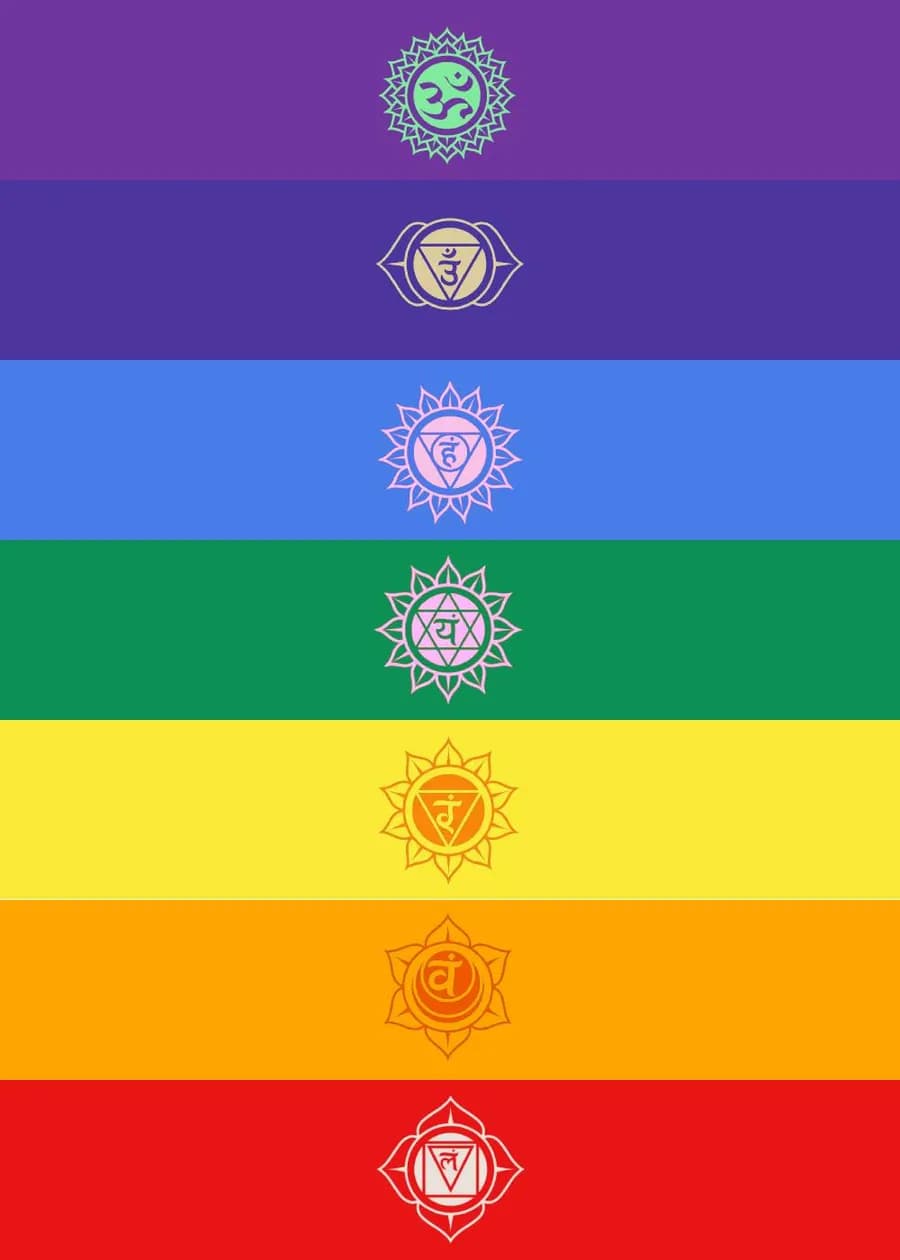
Chakra Meditation: A 7-Chakra Guide for Beginners
Chakra meditation moves through all seven energy centres in a single sitting, giving beginners a felt sense of the whole system. Try a guided 7-chakra practice with Habuild.

Binaural Beats Meditation: Does It Work?
Binaural beats meditation plays two slightly different tones, one in each ear, so the brain perceives a third pulsing beat used as a calming anchor. Learn how to try it, and what the evidence actually supports.