
Walking Meditation: A Moving Practice
Walking meditation trains the same present-moment attention as seated practice, using the sensation of walking as your anchor instead of the breath. Try it alongside Habuild's guided sessions.
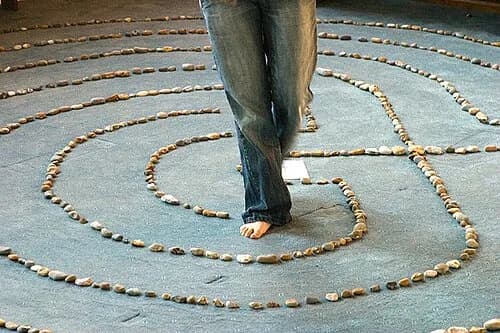
Key Takeaways
- Uses the sensation of walking as the anchor instead of the breath.
- An old Zen practice called kinhin, alternated with seated sits in monasteries.
- Walk much slower than normal – this is the most common beginner mistake to fix.
- Keep the same slow attention through the turn, not just the straight path.
- Needs no cushion or app – just a short stretch of ground and a few minutes.
For people who find seated stillness genuinely uncomfortable or restless, walking meditation offers the exact same core practice — training present-moment attention — using the physical sensation of walking as the anchor instead of the breath. It’s one of the oldest formats in the meditation tradition, not a modern workaround: Zen monasteries have long alternated seated meditation with slow walking meditation, known as kinhin, precisely because sitting for hours at a stretch isn’t sustainable for the body, and moving attention offers real relief without breaking the state of focus.
How to Practice Mindful Walking Meditation
- Choose a quiet path, indoors or outdoors, ten to twenty steps long — long enough to build a rhythm, short enough that you’re not distracted by where the path leads.
- Stand still for a moment first, feeling your weight settle through both feet, before taking the first step.
- Walk slowly, much slower than your normal pace, noticing the sensation of each foot lifting, moving, and placing down. Some practitioners find it helpful to silently note “lifting… moving… placing” as each phase happens, though this labeling is optional.
- When your mind wanders — and it will, often within seconds — gently return attention to the physical sensation of walking, without frustration at having drifted.
- At the end of your path, pause fully, turn slowly and deliberately, and continue, repeating for ten to fifteen minutes.
A common mistake is walking at a pace that’s only slightly slower than normal — this doesn’t give attention enough room to actually notice each phase of the step, and the mind drifts far more easily. Slow down more than feels natural at first; the awkwardness fades within a few sessions. Another common mistake is treating the turn at the end of the path as a break from the practice — keep the same slow attention through the turn itself, since that’s often where the mind is most likely to wander.
Free Walking Meditation: No Equipment Needed
One of its biggest appeals is that it needs absolutely nothing — no cushion, app, or special space, just a short stretch of ground and a few unhurried minutes. It can be practiced in a garden, a hallway, or even a quiet office corridor during a break.
Variations Worth Knowing
The path length and setting can be adapted freely. A short indoor path of just ten steps, walked back and forth, works well in small apartments or during a work break, while a longer garden path suits an unhurried morning session. Some practitioners extend the practice with brief pauses to notice sounds, temperature, or the feel of air on skin at each turn — a gentle bridge toward broader mindfulness. Vipassana retreats often build in short walking meditation periods between long seated sits specifically to keep the body from stiffening and the mind from dulling, which is a useful model even for a home practice: alternate a walking session with a seated one rather than always choosing one format.
Photo: Amitabha Gupta, CC BY 4.0, via Wikimedia Commons
Who Should Be Cautious
Walking meditation is gentle and low-risk for almost everyone, but anyone with significant balance issues, recent leg or foot injuries, or conditions affecting stability should choose a flat, obstacle-free surface and consider practicing near a wall or railing for support. If slow, deliberate walking itself causes pain, it’s worth checking with a doctor before continuing, since the practice should never require pushing through physical discomfort.
Why This Works as Well as Sitting
Walking meditation trains the identical “notice and return” skill as seated practice, just anchored to a different sensation — the felt sense of the body moving through space rather than the breath at the nostrils. For many people, this actually makes the practice easier to sustain: a moving body has more sensation to notice, which can make it simpler to catch the mind wandering than during still, quiet sitting. For readers building a broader daily habit, our guide on meditation for beginners covers the same underlying principles in more depth, and our guide on what is mindfulness meditation explains the broader attention-training framework that walking meditation belongs to.
Posture and Hand Position
Keep your gaze soft and lowered, a few feet ahead on the ground rather than scanning your surroundings, which helps attention stay inward instead of getting pulled outward by things to look at. Hands can rest loosely at your sides, be clasped lightly in front of or behind the body, or hang naturally — there’s no single correct hand position, just avoid clenching or fidgeting, which tends to pull attention into the hands instead of the feet. Shoulders should stay relaxed rather than hunched, since tension there is a reliable sign that the pace has crept up faster than intended.
Frequently Asked Questions
Related Articles

Benefits of Meditation: A Simple, Honest Guide
What meditation can really do for your mind and body — and what it can't. Start noticing the shifts for yourself with Habuild's daily guided meditation practice.

10 Minute Meditation: A Quick Daily Reset
A 10 minute meditation is long enough to settle into real calm and short enough to actually do daily. Find your own quick daily reset with Habuild's guided sessions.
Meditation for ADHD: What Actually Helps
Meditation for ADHD isn't a treatment or cure — it's a support for attention regulation, used alongside proper diagnosis and care. See what realistically helps, and try guided sessions with Habuild.