
Do Planks Build Abs? the Honest Answer about Plank Effectiveness for Abs Development
Planks build the deep core muscles and isometric strength, but visible abs also require low enough body fat for that muscle to show — which needs full-body fat loss. See what planks actually do.
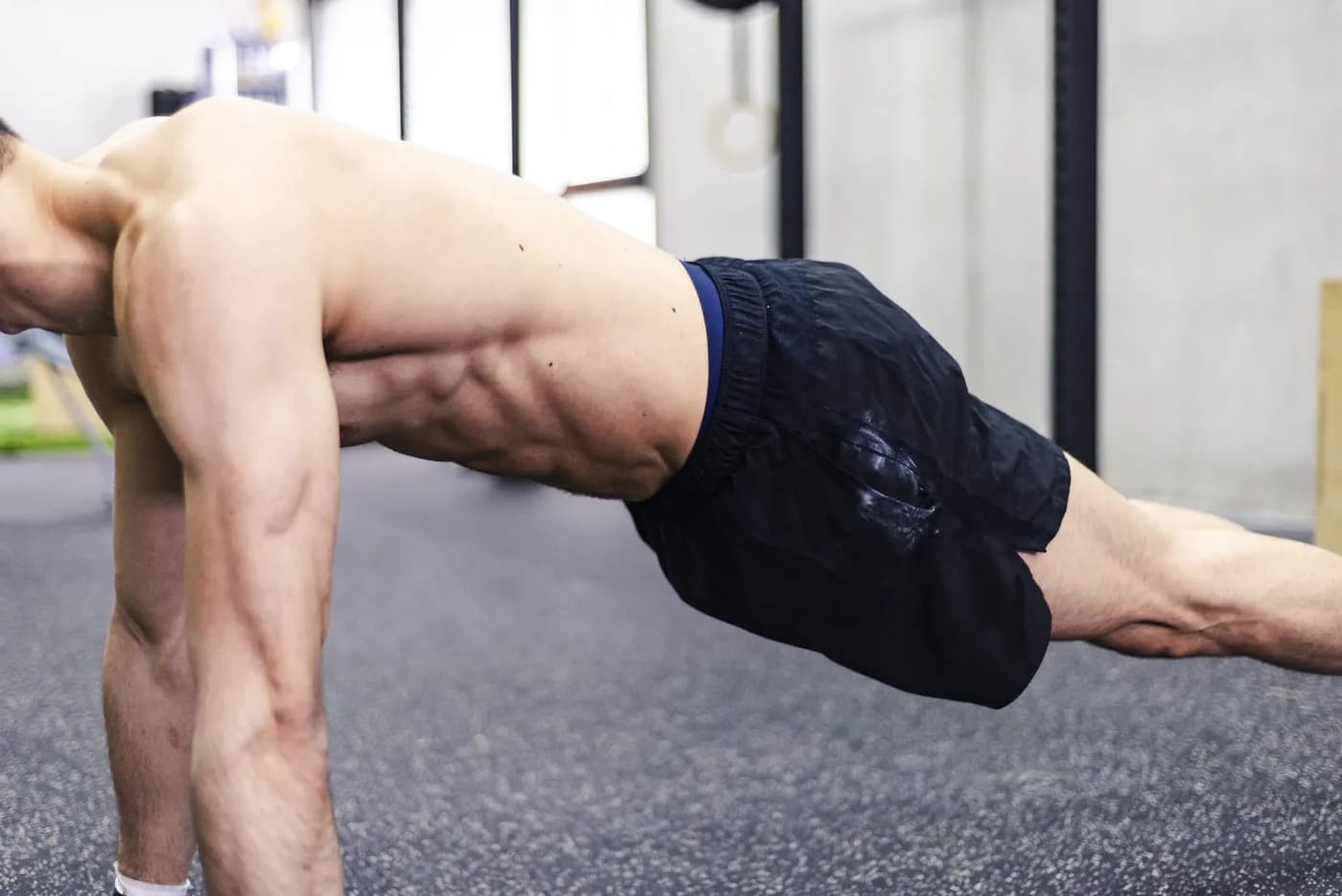
Key Takeaways
- States plainly that planks build the deep core, not the visible six-pack hypertrophy people expect.
- Visible abs require combining plank-built muscle with separately achieved low body fat.
- Many practitioners look visibly more defined within 4-6 weeks purely from posture, before fat loss.
- Compound lifts like squats and deadlifts activate the rectus abdominis more than direct ab work.
- Frames planks as one contributor to total daily caloric burn, not a fat-loss method on their own.
- The deep core canister specifically includes the transverse abdominis, multifidus, and pelvic floor.
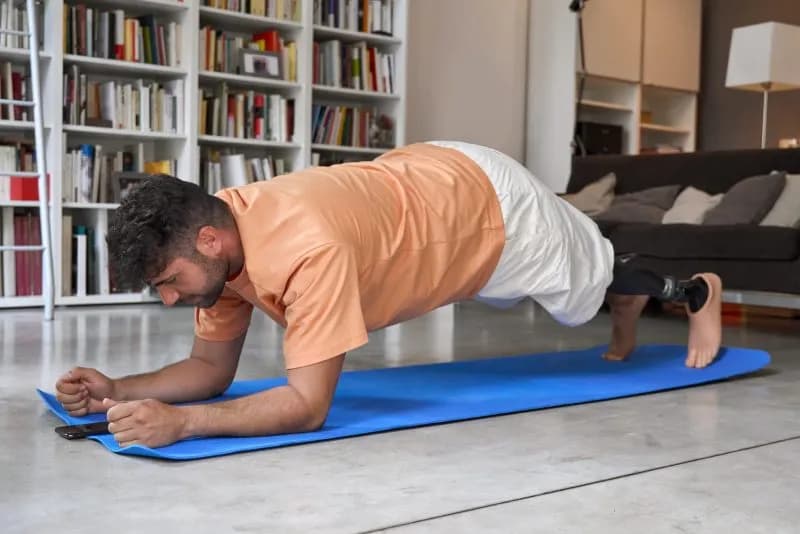
Most people searching do planks build abs want a clear yes or no — and the honest answer is yes, planks build abs effectively as part of a complete core training programme, but they primarily develop the deep core muscles (transverse abdominis, multifidus) and isometric strength rather than the visible six-pack hypertrophy most people associate with "ab building." For visible abs, you need both the muscle development that planks contribute to AND low enough body fat that the muscle becomes visible — which requires full-body fat loss, not crunches or planks alone. This guide covers the honest mechanism, the real role of planks in abs development, and the daily routine that produces both strong and visible abs. The same habit-building structure that powers our daily online yoga classes makes consistent practice possible.
7 Benefits of Daily Planks for Abs Development
Daily plank practice produces measurable benefits for abs development within the first weeks. Below are the seven most important benefits.
- Stronger Deep Core Muscles That Support Visible Abs The most direct benefit. Planks engage the deep core canister — transverse abdominis, multifidus, diaphragm, pelvic floor — that creates the foundation for visible abdominal definition. Stat: A 2014 study in the Journal of Athletic Training analysing core training exercises confirmed that planks produce significantly greater deep core activation than crunches, with the deep engagement that genuinely supports visible abs as fat drops.
- Improved Core Stability That Prevents Lower Back Pain The functional benefit. Strong deep core muscles stabilise the spine during all movement — preventing the lower back compensation that drives chronic pain. Members focused on broader abdominal development often pair their plank work with our strength training for abs programme.
- Better Posture That Visually Improves Abs Appearance The postural benefit. Daily plank practice builds the upright posture that visually reveals abdominal definition — many practitioners look more defined within 4–6 weeks before any fat is actually lost, simply through improved posture.
- Foundation for Heavier Compound Lifts That Build Abs The compound benefit. Strong core supports better squats, deadlifts, and overhead presses — and these compound lifts produce significantly greater overall abdominal muscle development than direct ab work alone. Stat: The National Strength and Conditioning Association confirms that compound lifts produce greater rectus abdominis activation than most isolation core exercises during proper execution. Members focused on broader core capacity often pair their work with our core strength plank programme.
- Increased Daily Caloric Burn That Supports Fat Loss for Visible Abs The metabolic benefit. Visible abs require both muscle development AND low body fat — and daily plank practice contributes to total daily caloric burn that supports the fat loss visible abs require.
- Better Body Awareness and Mind-Muscle Connection with the Abs The neuromuscular benefit. Planks build conscious abdominal engagement that translates to better recruitment during all other ab and compound exercises — making every other workout more effective.
- Foundation for Advanced Ab Training and Aesthetic Development The cumulative benefit. Daily plank practice is the foundation for advanced abdominal training (hollow body holds, dragon flags, weighted core work) and the aesthetic development most people associate with "building abs." Members focused on broader abdominal definition often pair their work with our abdominal workouts programme.
How to Get Started with Planks for Abs Development
Getting started requires no equipment and no gym — just understanding the realistic role of planks in complete abs development.
What You Need to Begin
A flat clear floor space (yoga mat optional), comfortable clothing, and 30–45 minutes daily for full training (planks plus complementary exercises). For visible abs specifically, a measuring tape for waist circumference tracking is more useful than the scale alone.
Setting Realistic Goals
Be honest about expectations. Visible six-pack abs require both core development AND body fat percentages of approximately 12–15% for men and 18–22% for women — significantly lower than most adults carry. Aim for stronger core within 4–8 weeks (achievable for everyone) and visible abs within 12–24 weeks if combined with the necessary fat loss. The "planks for visible abs" promise often skips the fat loss component that visibility requires.
Start with the Basics
Begin with three foundational practices: 3 sets of 30-second planks 4 times per week (the core foundation), 30 minutes of daily moderate cardio (drives fat loss for visibility), and 3 weekly full-body strength sessions including planks. Combined with moderate caloric deficit, these practices drive the abs development that planks alone cannot.
Best Plank Variations and Complementary Exercises for Abs
Standard Forearm Plank — Deep Core, Rectus Abdominis, Shoulders — Hold 30–60 Seconds × 3 Rounds
The foundational core exercise — engages the deep core canister and the rectus abdominis (the visible six-pack muscle). Sets and reps: 3 rounds of 30–60 seconds with 60 seconds rest, performed daily. Modification: knee plank for beginners.
Side Plank — Obliques, Lateral Chain — Hold 30–60 Seconds per Side × 2 Rounds
Side planks build the obliques that contribute to visible abdominal definition — particularly the V-shaped indent that frames the rectus abdominis. Hold: 30–60 seconds per side, 2 rounds, performed 3 times per week.
Plank with Shoulder Taps — Anti-Rotation Core — 3 Sets × 10 Taps per Side
From high plank, alternately lift one hand to tap the opposite shoulder while keeping hips perfectly still. The anti-rotation challenge engages the obliques and rectus abdominis dynamically.
Hollow Body Hold — Rectus Abdominis Maximum Engagement — Hold 20–40 Seconds × 3 Rounds
The hollow body hold (lying on back with shoulders and legs lifted, lower back pressed into the floor) produces some of the highest rectus abdominis activation of any exercise — essential for visible six-pack development. Master after standard plank holds reach 45+ seconds.
Bicycle Crunches — Upper and Lower Abs, Obliques — 3 Sets × 20 Reps
Bicycle crunches train the entire abdominal region with particular emphasis on the rectus abdominis. Slow controlled tempo produces better results than fast repetition.
Hanging Knee Raises — Lower Abs, Hip Flexors — 3 Sets × 8–12 Reps
Hanging knee raises target the lower portion of the rectus abdominis that crunches and standard planks under-train — essential for complete six-pack development. Modification: lying knee raises for those without access to a pull-up bar.
Burpees — Full Body Compound + Cardio — 3 Sets × 8–12 Reps
Burpees drive the systemic fat loss that visible abs require. Without the fat loss component, no amount of ab training will produce visible six-pack development. Members focused on the visible portion of abs often pair their work with our upper abdominal exercises programme.
Common Mistakes to Avoid
- Expecting Planks Alone to Produce Visible Abs The most common misconception. Planks build core muscle effectively, but visible abs also require low body fat — which requires full-body fat loss programming, not just core work. Most adults have well-developed abs hidden under fat, not undeveloped abs needing more crunches.
- Skipping the Fat Loss Component for Visibility The structural mistake. Visible six-pack abs require body fat percentages of 12–15% for men and 18–22% for women — significantly lower than most adults carry. The training builds the muscle; the fat loss makes it visible. Both components are required.
- Doing Only Planks Without Variety Planks build deep core stability but under-train the rectus abdominis hypertrophy that visible six-packs depend on. Combine planks with hollow body holds, hanging knee raises, and bicycle crunches for complete abdominal development.
- Inconsistency Training intensely 2 weeks then skipping a month produces no lasting abdominal adaptation — muscle development requires consistent stimulus over months. Daily moderate practice outperforms intense intermittent sessions for sustainable abs building.
Who Should Try Daily Plank Practice for Abs?
- Beginners Building Foundational Core Strength Planks are the most beginner-friendly genuine core exercise available. Starting with knee planks and building progression, anyone can develop the deep core strength that supports visible abs as fat drops.
- Women Building Toned Core Without Bulk Women benefit dramatically from plank-based ab training because it builds defined, toned abs without the bulk many fear from heavy weighted ab work. The combination of planks with overall fat loss produces the visible abs most women want.
- Older Adults Maintaining Core Strength Older adults benefit from plank-based core training because it builds stability without the spinal flexion (crunches, sit-ups) that can aggravate disc issues. (Disclaimer: those with osteoporosis, herniated discs, or shoulder conditions should consult a doctor before beginning plank practice.)
- Athletes Building Performance Core Athletes benefit from plank-based core training because the isometric strength translates directly to athletic performance — better stability during running, throwing, lifting, and rotational sports.
Build Strong Visible Abs with a Routine That Actually Works
Building abs isn't about doing endless planks or chasing single-exercise miracles — it's about consistency, complete core programming, and following a structured plan that combines plank-based core work with the fat loss visible abs require. With the right support, you can practise effectively from home and see real visible improvements within 12–24 weeks.
What You Get with Habuild's Strong Everyday Programme:
- Daily live guided strength and yoga sessions
- Beginner to advanced progression
- No-equipment and home-friendly workouts
- Expert guidance to ensure correct form
- Community support to stay consistent
Related reads: What Are Planks Exercise? The Complete Guide to What Planks Do, Why They Work, and How to Practise · Types of Planks — 7 Variations to Build Stronger Core, Better Stability, and Lasting Results
Can plank build abs on their own? Only partly. Planks build real ab strength, but the visible results people associate with abs need both consistent core training and a broader plan that manages overall body composition — neither comes from planks done in isolation every once in a while. Strong Everyday is structured to combine core work like planks with full-body training that supports both goals together.
Frequently Asked Questions
Related Articles
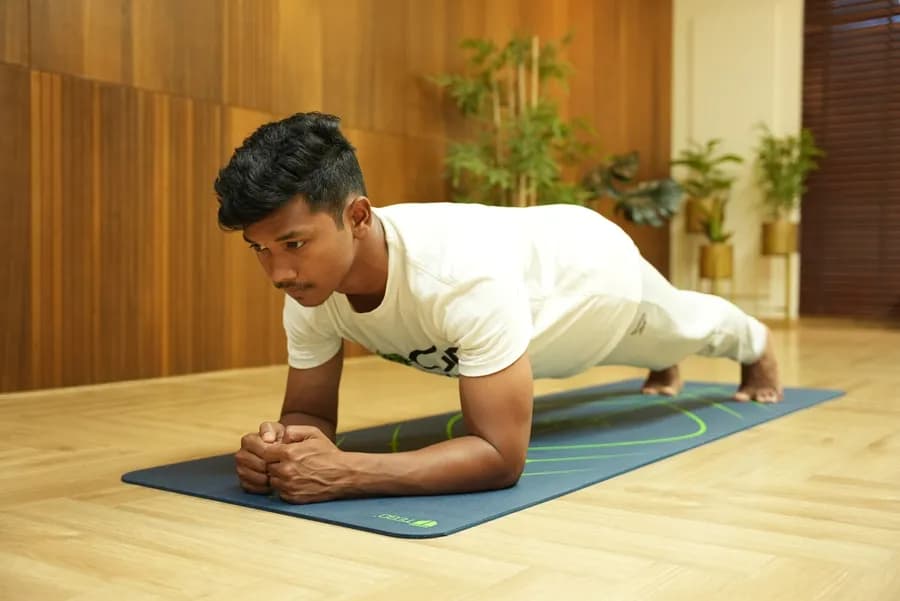
How to Do Planks Correctly — the Complete Form Guide and Common Mistakes That Sabotage Results
Sagging hips, lifted hips, locked elbows, and held breath are the common form errors that reduce or eliminate the core benefit while increasing injury risk. See the complete form guide.
Types of Planks — 7 Variations to Build Stronger Core, Better Stability, and Lasting Results
Anti-extension, anti-rotation, and anti-lateral flexion variations each progressively build a different aspect of core strength beyond the standard forearm hold. See all 7 variations.

Benefits of Crunch Exercise: Core Strength, Abs and Beyond
Done correctly, the crunch produces real rectus abdominis strength and core stability; done incorrectly, it strains the cervical spine and recruits the hip flexors instead. See the full evidence base and technique.
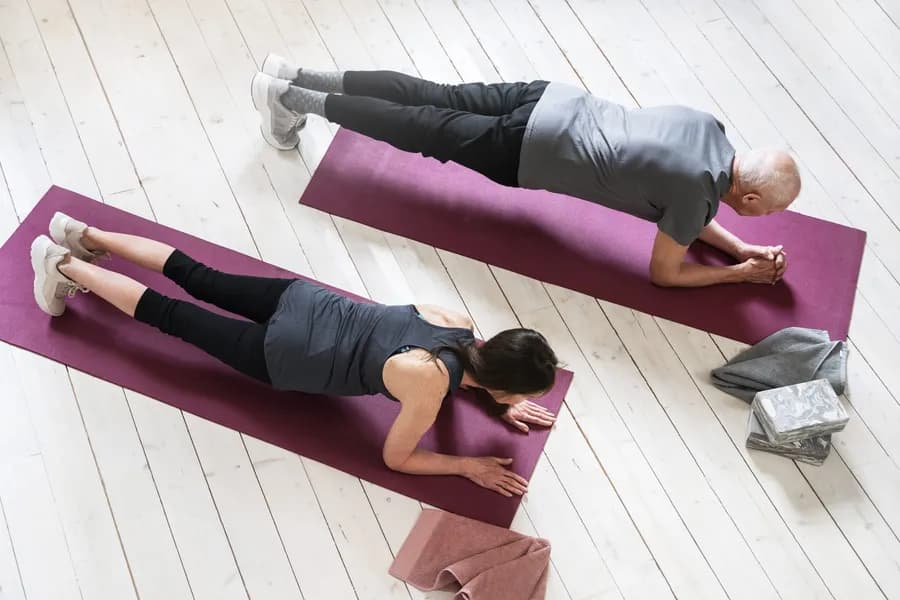
What Are Planks Exercise? The Complete Guide to What Planks Do, Why They Work, and How to Practise
Unlike crunches that move the spine, planks train the core to resist movement, engaging the deep stabilising muscles that prevent lower back pain. See the complete guide to what planks do.