
How to Do Planks Correctly — the Complete Form Guide and Common Mistakes That Sabotage Results
Sagging hips, lifted hips, locked elbows, and held breath are the common form errors that reduce or eliminate the core benefit while increasing injury risk. See the complete form guide.
Key Takeaways
- Names four specific form errors – sagging hips, lifted hips, locked elbows, and held breath.
- Correct form distributes load evenly across both the shoulders and forearms simultaneously.
- Requires just 60-90 seconds of total daily practice to produce substantial core stimulus.
- The NSCA links core stability specifically to rotational power gains within 8-12 weeks.
- Described as producing comparable benefit per minute of effort to few other exercises.
- Controlled breathing throughout the hold is named as a specific, often-overlooked requirement.
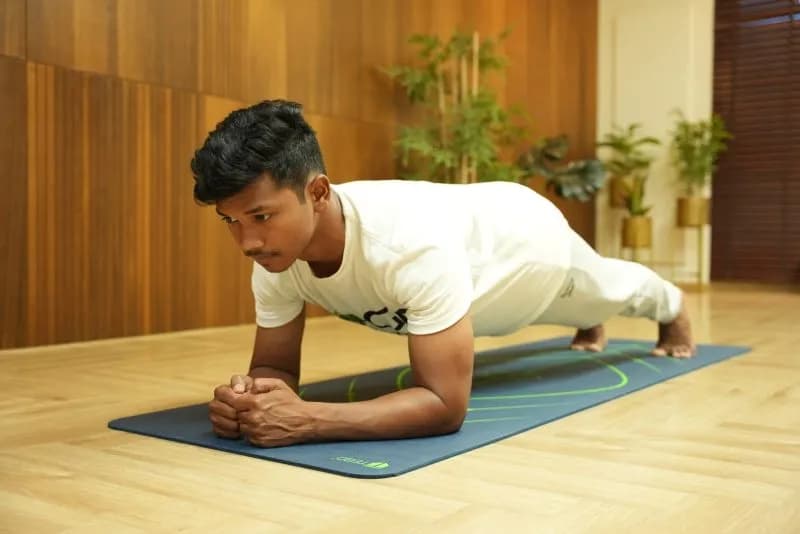
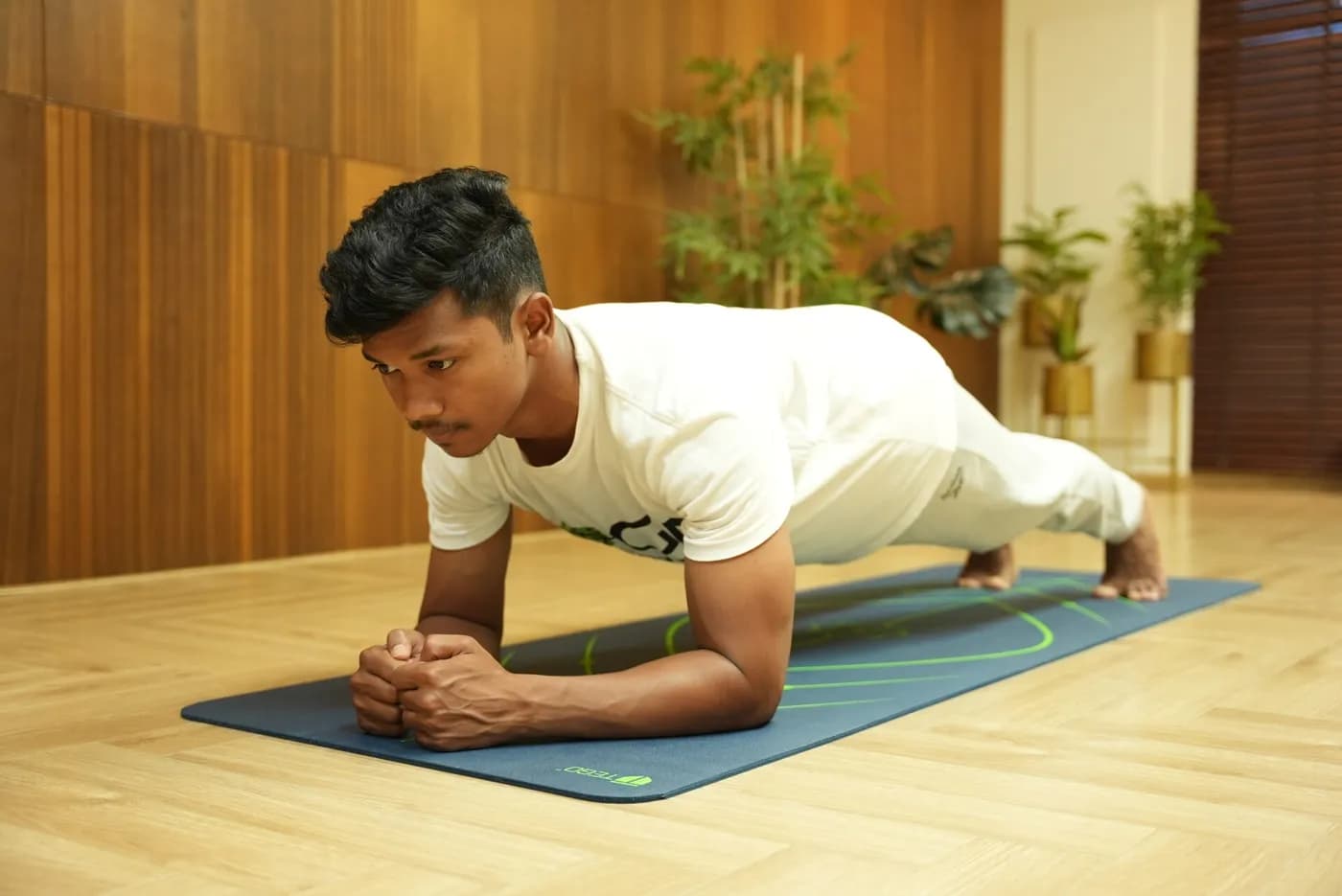
Most people searching how to do planks correctly want to know whether they're doing planks right — and the honest answer is that most people are not. Common form errors (sagging hips, lifted hips, locked elbows, held breath) reduce or eliminate the core benefit while increasing injury risk. The correct plank engages the deep core canister, maintains neutral spine alignment from head to heels, distributes load evenly across the shoulders and forearms, and uses controlled breathing throughout. This guide covers exact form cues, common mistakes, beginner progressions, and the daily routine that produces genuine core strength. The same habit-building structure that powers our daily online yoga classes makes consistent practice possible.
7 Benefits of Doing Planks with Correct Form
Performed correctly, daily planks produce measurable benefits within the first weeks. Below are the seven most important benefits.
- Genuine Deep Core Strength That Functional Movements Depend On The most direct benefit. Correct planks engage the deep core canister — transverse abdominis, multifidus, diaphragm, and pelvic floor — that supports the spine during all movement. Stat: A 2014 study in the Journal of Athletic Training analysing core training exercises confirmed that planks produce significantly greater deep core activation than crunches and most isolation core exercises — the engagement that genuinely supports daily function. Members building broader core capacity often pair their plank work with our core strength routine programme.
- Reduced Lower Back Pain and Better Spinal Stability The symptomatic benefit. Most chronic lower back pain stems from weak deep core muscles failing to stabilise the spine — and correctly performed planks directly retrain these muscles. The reduction in lower back pain often appears within 4–6 weeks of consistent practice.
- Better Posture and Functional Movement Quality The functional adaptation benefit. Strong core muscles support upright posture throughout the day — not just during exercise. Daily plank practice improves how the body holds itself during sitting, standing, and walking. Members focused on broader posture work often pair their planks with our exercises to improve posture programme.
- Improved Athletic Performance and Strength Carryover The performance benefit. Strong core muscles transfer force between the upper and lower body during running, jumping, lifting, and rotational sports. Stat: The National Strength and Conditioning Association confirms that core stability training produces measurable improvements in athletic performance metrics within 8–12 weeks of consistent practice — including in deadlift strength, jump height, and rotational power.
- Time Efficiency and Equipment-Free Practice The practical benefit. Planks require zero equipment, can be performed anywhere, and produce substantial core stimulus in 60–90 seconds total daily. Few exercises produce comparable benefit per minute of effort.
- Better Body Awareness and Mind-Muscle Connection The neuromuscular benefit. Holding a plank requires constant attention to alignment, breath, and muscle engagement — building the body awareness that improves form across all other exercises and daily movement.
- Foundation for Advanced Core and Strength Training The compounding benefit. Correct plank technique is the foundation for all advanced core work — side planks, plank variations, and weighted core training all require the basic plank pattern done correctly. Members building advanced plank capacity often pair their work with our core strength plank programme.
How to Get Started with Correct Plank Form
Getting started requires no equipment, no gym, and no specialised knowledge — just clear understanding of form principles and a small daily commitment.
What You Need to Begin
A flat clear floor space (yoga mat optional but helpful for elbow and forearm comfort), comfortable clothing, and 5–10 minutes daily. A mirror or video recording helps check form during early practice. A clock or timer with a second hand helps measure hold duration accurately.
Setting Realistic Goals
Be honest about timelines. Beginners typically build from 10–15 second holds to 60-second holds over 4–6 weeks of consistent practice. Aim for quality of hold (correct form throughout) over duration. A 30-second perfectly held plank produces dramatically more core stimulus than a 90-second sloppy plank.
Start with the Basics
Begin with three foundational practices: knee planks for absolute beginners (3 sets × 20–30 seconds), standard forearm planks once knee planks feel easy (3 sets × 30 seconds), and daily form check using a mirror or photo (verify head-to-heel alignment). Build duration over 2–4 weeks once form is consistent.
How to Do Planks Correctly — Step-By-Step Form Guide
Standard Forearm Plank — Deep Core, Shoulders, Glutes — Hold 30–60 Seconds × 3 Rounds
The foundational plank position. Setup: place forearms on the floor parallel to each other, elbows directly under shoulders, hands relaxed (not clenched). Extend legs straight behind the body with feet hip-width apart, balancing on toes. Body forms a straight line from heels to head. Engage the core, glutes, and quads simultaneously while breathing normally. Hold: 30–60 seconds for 3 rounds with 60 seconds rest, performed daily. Modification: knee plank if standard plank cannot be held with correct form for 20+ seconds.
High Plank (Push-Up Position) — Core, Shoulders, Triceps — Hold 30–60 Seconds × 3 Rounds
The push-up position plank shifts more loading to the shoulders and triceps while still engaging the deep core. Setup: identical to forearm plank but with arms extended straight, hands directly under shoulders. Maintain straight line from heels to head. Hold: 30–60 seconds for 3 rounds, performed 2–3 times per week. Modification: knee high plank for those building shoulder strength.
Knee Plank — Deep Core (Reduced Load) — Hold 30–60 Seconds × 3 Rounds
The knee plank reduces loading by approximately 50% while teaching correct alignment patterns. Setup: forearms on floor as in standard plank, but knees rest on the floor with shins behind. Maintain straight line from knees to head. Hold: 30–60 seconds for 3 rounds, performed daily. The destination practice for absolute beginners — build to standard plank over 2–4 weeks.
Plank with Shoulder Taps — Core Anti-Rotation — 3 Sets × 10 Taps per Side
Plank shoulder taps add anti-rotation challenge while maintaining the basic plank position. From high plank, alternately lift one hand to tap the opposite shoulder while keeping the hips perfectly still. Modification: perform from knee plank position for beginners. Members building broader abdominal strength often pair their plank work with our strength training for abs programme.
Bird-Dog (Quadruped Plank) — Core Anti-Rotation, Glutes — 3 Sets × 10 Reps per Side
Bird-dog is performed on hands and knees, extending opposite arm and leg simultaneously while maintaining a stable spine. Develops the deep core stability that translates directly to better full plank performance. Hold each extension for 2–3 seconds before switching sides.
Forearm Plank with Leg Lifts — Core + Glutes — 3 Sets × 8 Lifts per Leg
From standard forearm plank, lift one leg slightly off the floor while keeping hips level. Adds glute engagement and anti-rotation challenge to the basic plank. Modification: lift legs only an inch or two; the small range produces significant additional engagement.
Plank Variations — Progressive Core Challenge — Various Holds
Once standard plank can be held for 60+ seconds with perfect form, progress to variations: side plank, long-lever plank (hands further forward), single-leg plank, and weighted plank. Variation prevents plateau and continues building core capacity.
Common Mistakes to Avoid
- Sagging Hips That Strain the Lower Back The most common form error. When core fatigue sets in, the hips drop toward the floor — placing dangerous load on the lower back instead of the working core muscles. Signs: feeling lower back instead of abs, lower back ache after planks. What to do instead: end the hold the moment hips begin to sag. A 30-second plank with perfect form is dramatically more effective than a 60-second plank with sagging hips.
- Lifted Hips That Eliminate Core Engagement The opposite error. Some practitioners lift the hips into a "downward dog" position — making the hold easier but eliminating core engagement entirely. The plank becomes a stretching position rather than a strength exercise. What to do instead: maintain a straight line from heels to head, with hips neither sagging nor lifted. Use a mirror to verify alignment during early practice.
- Holding Breath Throughout the Plank Breath-holding during planks activates the sympathetic nervous system, raises blood pressure, and limits hold duration unnecessarily. Many practitioners do this unconsciously. What to do instead: breathe normally throughout every plank, with controlled inhale and exhale. The breath should remain steady — if breathing becomes ragged, end the hold. Members focused on broader core capacity often pair their planks with our core strength plank programme for the structured progression.
- Holding Planks Too Long with Poor Form The most damaging long-term error. Pushing planks to 90+ seconds with deteriorating form trains poor patterns and strains the lower back. The body adapts to whatever pattern is repeated — and repeating sloppy planks builds sloppy patterns. What to do instead: prioritise quality over duration. End every plank the moment form breaks. Build up duration in good form rather than chasing arbitrary time goals.
Who Should Try Daily Plank Practice?
- Beginners Building Foundational Core Strength Planks are the most beginner-friendly genuine core exercise available. Starting with knee planks and building progression, anyone can develop the deep core strength that supports daily function — no equipment, no specialised knowledge required.
- Women at All Life Stages Planks build core strength important across all life stages — including pregnancy preparation (though traditional planks should be avoided in late pregnancy), postpartum core recovery (with specific guidance), and perimenopause core maintenance. (Postpartum women should follow guidance from their doctor or pelvic floor specialist before resuming full plank practice.)
- Older Adults Maintaining Spinal Stability Core strength decline contributes significantly to falls and back pain in older adults. Daily plank practice — modified for individual capacity — protects spinal stability and functional independence. (Disclaimer: those with osteoporosis, herniated discs, or shoulder conditions should consult a doctor before beginning plank practice.)
- Working Professionals with Sedentary Lifestyles Prolonged sitting weakens deep core muscles dramatically. Daily 5-minute plank practice directly counteracts this weakness — one of the highest-leverage exercises busy professionals can include.
Build Genuine Core Strength with a Routine That Actually Works
Doing planks correctly isn't about chasing arbitrary time records or holding poor positions for longer — it's about consistency, perfect form, and following a structured plan that builds genuine core strength. With the right support, you can practise effectively from home and see measurable core improvements within 4–8 weeks.
What You Get with Habuild's Strong Everyday Programme:
- Daily live guided strength and yoga sessions
- Beginner to advanced progression
- No-equipment and home-friendly workouts
- Expert guidance to ensure correct form
- Community support to stay consistent
Related reads: What Are Planks Exercise? The Complete Guide to What Planks Do, Why They Work, and How to Practise · How to Do Side Plank Exercise — the Complete Form Guide and Daily Routine for Stronger Obliques
Correcting the common plank mistakes this guide covers, sagging hips, held breath, locked elbows, takes repeated, attentive practice, which is much easier to sustain inside a structured plan than through occasional, unsupervised attempts. Good form compounds fastest when it's trained consistently, not corrected once and left alone. Habuild's Strong Everyday program gives correct core technique like this a consistent, guided place in your routine.
Frequently Asked Questions
Related Articles
Types of Planks — 7 Variations to Build Stronger Core, Better Stability, and Lasting Results
Anti-extension, anti-rotation, and anti-lateral flexion variations each progressively build a different aspect of core strength beyond the standard forearm hold. See all 7 variations.
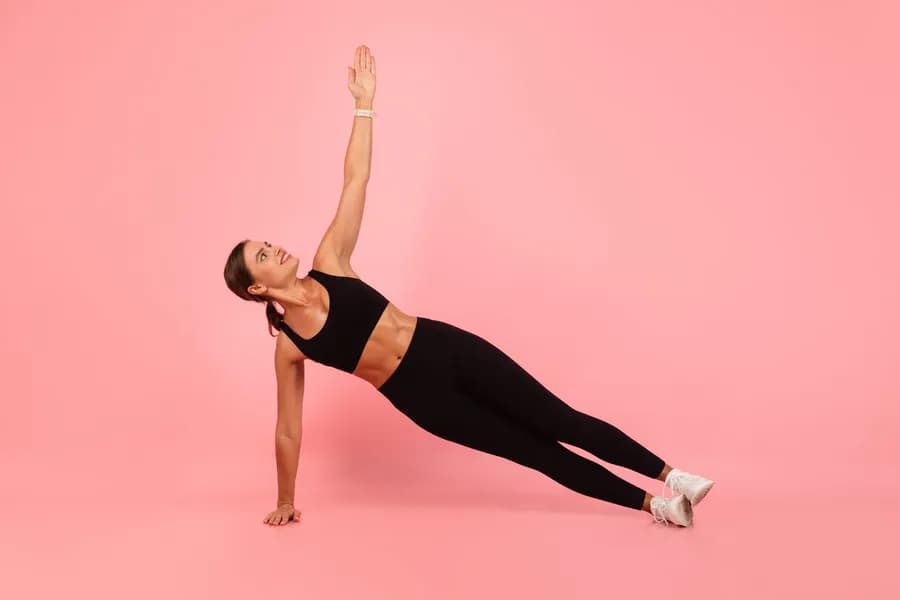
How to Do Side Plank Exercise — the Complete Form Guide and Daily Routine for Stronger Obliques
Stacking the body in a single plane and lifting the hips into a straight line from heels to head engages the entire lateral chain isometrically. See the complete form guide.
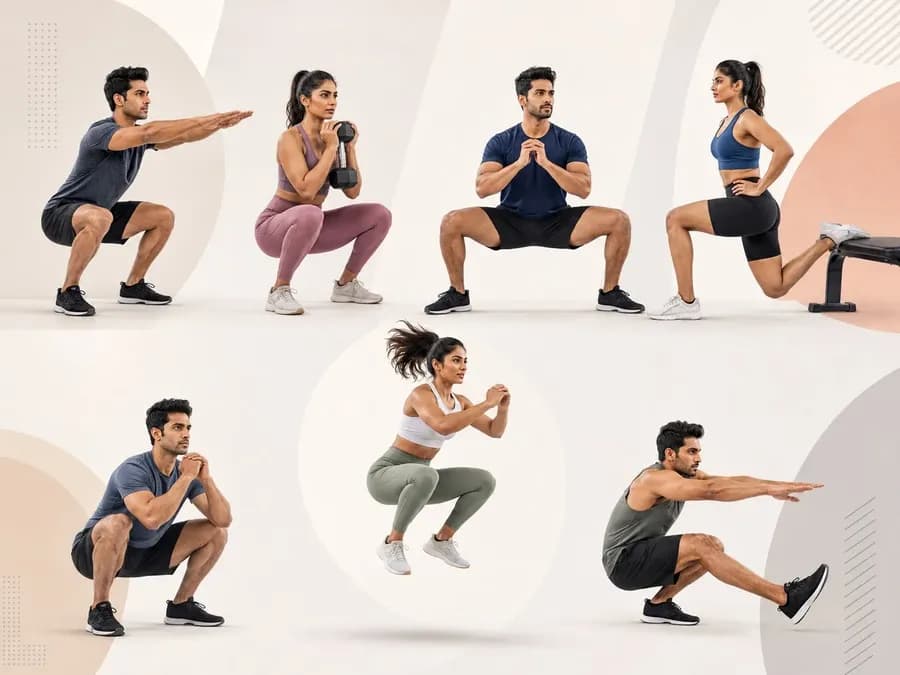
Different Types of Squats — 7 Variations to Build Stronger Legs, Glutes, and Functional Strength
The right squat variations target different muscles, mechanical positions, and movement patterns, building complete lower-body strength rather than partial development. See all 7 most effective variations.
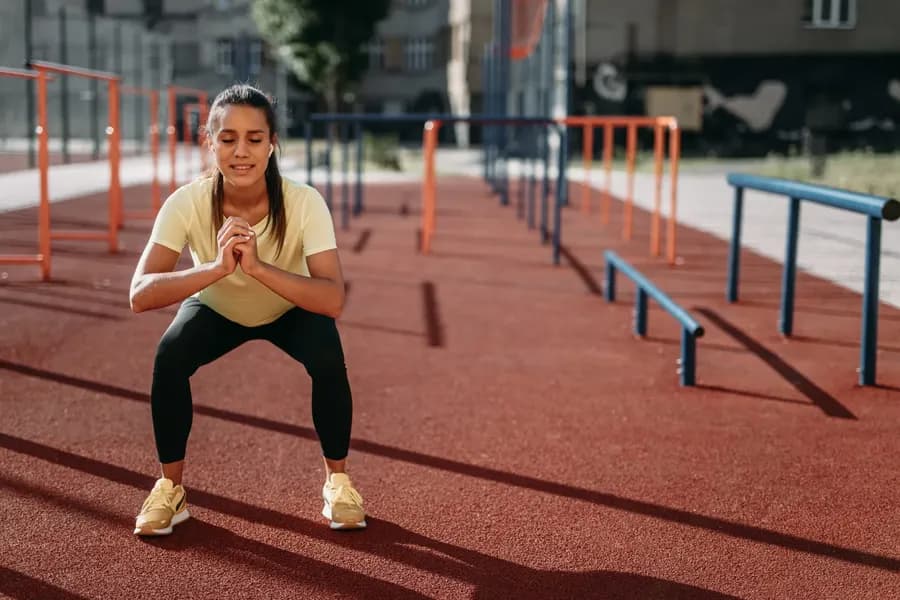
Benefits of Squats for Women — 7 Real Results from Daily Practice and What to Expect Honestly
Consistent daily squat practice produces measurable results in glute shape, leg strength, and posture within 8-12 weeks — the 'bulky thigh' myth doesn't hold up given women's hormonal profile. See all 7 real results.