
Does Walking Reduce Belly Fat? What Research Shows
Walking can help reduce belly fat, but not by targeting your stomach alone. Here's what research shows and how to make your walks count.
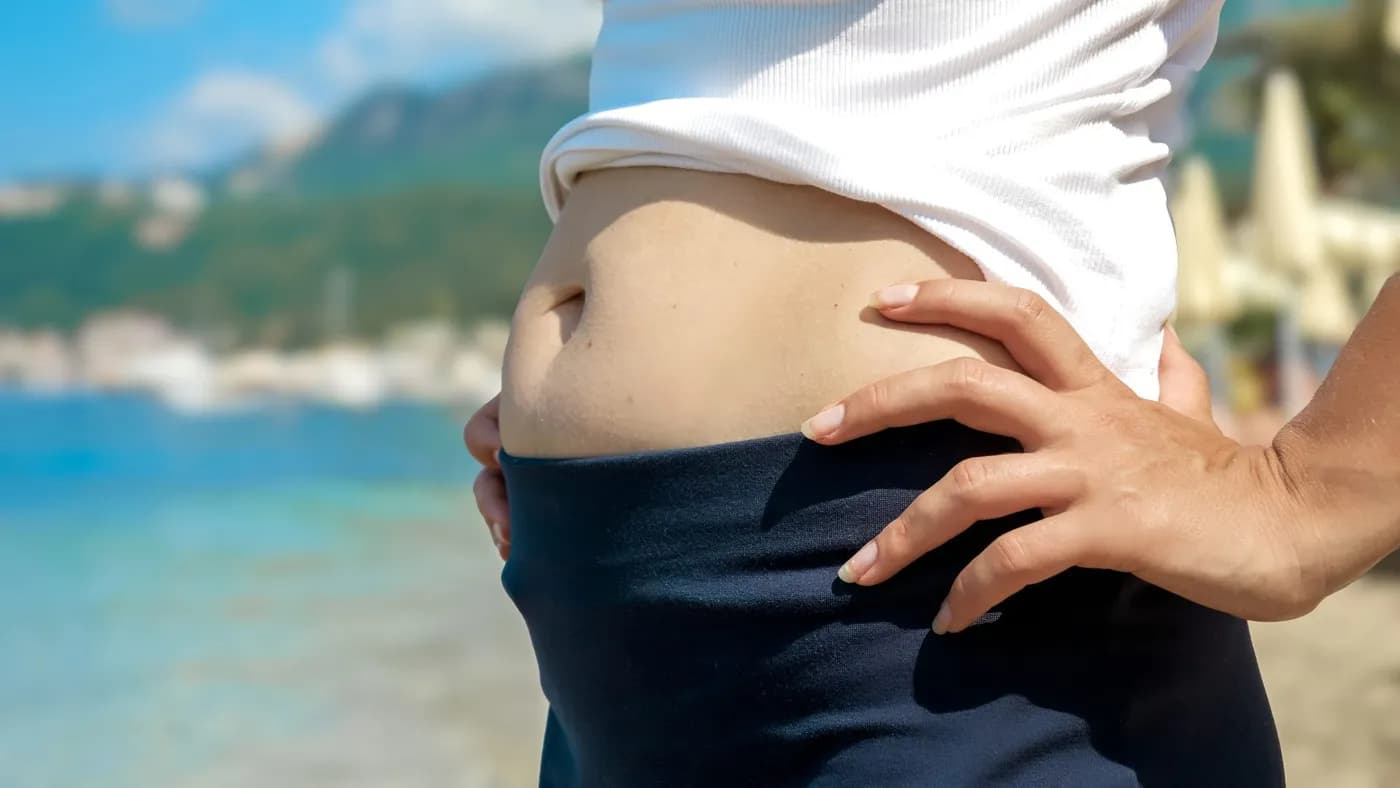
Key Takeaways
- Walking can help reduce belly fat as part of overall fat loss, but you can't burn fat from one spot.
- Regular aerobic exercise like brisk walking can reduce the deep visceral fat around your organs.
- Aim for at least 150 minutes of brisk walking a week; more time brings more benefit.
- Diet, sleep and stress control matter as much as walking for a smaller waist.
- Track your waist size, not just your weight, to see real progress.
The Short Answer
Yes, walking can help you lose belly fat, but it doesn't work the way many people hope. You can't choose where your body loses fat from. When you walk regularly and eat in a way that supports fat loss, your body draws on fat stores from all over, including your stomach. Over time, your waist gets smaller along with the rest of you.
This matters because many people try to flatten their stomach with crunches alone. In one study, adults who did abdominal exercises five days a week for six weeks got stronger stomach muscles but did not lose belly fat compared with people who didn't do the exercises. Burning fat needs whole-body activity and an overall energy balance, which is exactly where walking helps.
Why Belly Fat Matters
There are two main types of belly fat. Subcutaneous fat sits just under the skin, the soft fat you can pinch. Visceral fat lies deeper, around your liver, intestines and other organs. Visceral fat is the more harmful type, because it is linked with insulin resistance, type 2 diabetes, high blood pressure and heart disease.
This is especially relevant in India. Many Indians tend to store more fat around the abdomen, even at a normal body weight, a pattern sometimes called the "thin-fat" body type. Indian guidelines use lower waist-size cut-offs than Western ones, with a waist above about 90 cm for men and 80 cm for women considered a sign of higher risk.
What Research Says About Walking and Belly Fat
Studies show that regular aerobic exercise reduces visceral fat, even when the number on the scale doesn't change much. Harvard Health notes that moderate exercise such as brisk walking, done regularly, can help trim this deep belly fat, and that exercise can help keep that fat from coming back.
Smaller studies of walking programmes have shown similar results. For example, in one small trial, women with obesity who walked at a moderate pace for 50 to 70 minutes, three times a week for 12 weeks, reduced their visceral fat compared with women who stayed inactive. The results vary from person to person, and these studies are small, but the overall direction is consistent: regular brisk walking helps shrink harmful belly fat.
How Much Should You Walk?
The World Health Organization recommends 150 to 300 minutes of moderate activity a week for adults. For belly fat, aim for at least the lower end of that, such as 30 minutes of brisk walking on five days a week. If you can build up to 45 to 60 minutes on most days, you're likely to see more benefit. Walking at a brisk pace, where you're slightly out of breath but can still talk, works better than a slow stroll.
You don't have to do it all in one go. Two or three shorter walks a day count too, and a 10 to 15 minute walk after meals can also help keep blood sugar steady.
How to Get More From Your Walks
Pick up the pace
Add short bursts of faster walking. For example, walk briskly for three minutes, then very fast for one minute, and repeat. Interval walking makes your workout harder without making it longer.
Add slopes and stairs
Walking uphill or climbing stairs raises the effort and works your leg and hip muscles harder. If you walk on a treadmill, try a gentle incline.
Add strength training
Muscle helps your body use energy and manage blood sugar. Two days a week of bodyweight exercises such as squats, lunges and push-ups make a strong partner for walking.
Walk more through the day
Your daily steps outside of exercise also add up. Take the stairs, walk while on phone calls and get up from your chair regularly.
Habits That Matter as Much as Walking

Walking works best alongside healthy eating. Cut back on sugary drinks, sweets, refined flour and deep-fried snacks, and build your meals around vegetables, dal, pulses, whole grains and protein. Watching portion sizes matters more than any single "fat-burning" food.
Sleep is another hidden factor. Short sleep is linked with weight gain and more belly fat, so aim for seven to nine hours a night. Long-term stress can also raise cortisol, which may encourage fat storage around the middle, so calming practices like breathing exercises can help. Finally, if you drink alcohol, cutting down can make a noticeable difference to your waistline.
Mistakes That Slow Your Progress
One common mistake is walking at the same easy pace for months. Your body adapts, so gradually walking faster, longer or on slopes keeps your progress going. Another is "rewarding" a walk with a sweet, a sugary chai or a fried snack, which can quickly cancel out the energy you used. Some people also give up after two or three weeks because the scale hasn't moved much, even though their waist and fitness are already changing. Patience and steady habits matter more than any single walk.
How to Track Your Progress
The scale doesn't tell the whole story, especially if you're also building muscle. Measure your waist once every two weeks, at the level of your belly button, after breathing out normally. Notice how your clothes fit and how much easier your walks feel. Fat loss around the stomach is gradual, so give it at least two to three months of steady effort.
Walking With Habuild
Habuild's live sessions include walking along with exercises, yoga and breathing, and the Habuild app's Walk Daily habit helps you track your walks.
Editorial Sources
- Vispute et al. – The effect of abdominal exercise on abdominal fat, Journal of Strength and Conditioning Research (2011)
- Harvard Health – Taking aim at belly fat
- Hong et al. – Effect of walking exercise on abdominal fat, insulin resistance and serum cytokines in obese women, Journal of Exercise Nutrition & Biochemistry (2014)
- Bull et al. – World Health Organization 2020 guidelines on physical activity and sedentary behaviour, British Journal of Sports Medicine (2020)
- Misra et al. – Consensus statement for diagnosis of obesity, abdominal obesity and the metabolic syndrome for Asian Indians (2009)
- World Health Organization – Physical activity fact sheet
- Mayo Clinic – Belly fat in men: Why weight loss matters
Health Disclaimer
This article is for general information only and is not medical advice. If you have a health condition or plan to make big changes to your diet or exercise, please consult a doctor.
Frequently Asked Questions
Related Articles
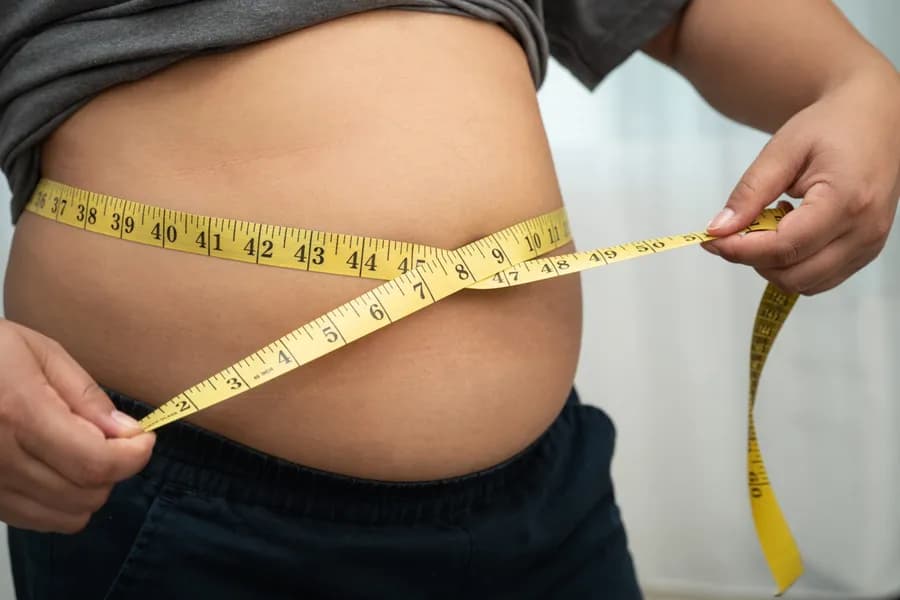
How to Lose Belly Fat — the Best Exercises, Honest Truth, and Daily Routine That Works
Visible belly fat reduction takes 12-16 weeks of systemic fat loss, targeted core work, and addressing the cortisol and sleep drivers that store fat in the midsection — not crunches alone. See the exercises that work.


Which Exercise Is Best for Belly Fat?
There's no single magic move, but a combination of exercises done consistently works better than anything else. See the practical, no-fluff approach.

10 Benefits of Walking 30 Minutes a Day for Health, Fitness, and Weight Loss
The trick isn't to walk longer, it's to walk daily, at the right pace, with consistency over months. See all 10 benefits for health, fitness, and weight loss.
How Many Calories Do 10000 Steps Burn?
There is no single calorie number for 10,000 steps. Body size, pace and terrain change the result, so a realistic estimate is a range, not a promise.