
How to Strengthen Eyelid Muscles: Exercises, Tips, and a Consistent Routine
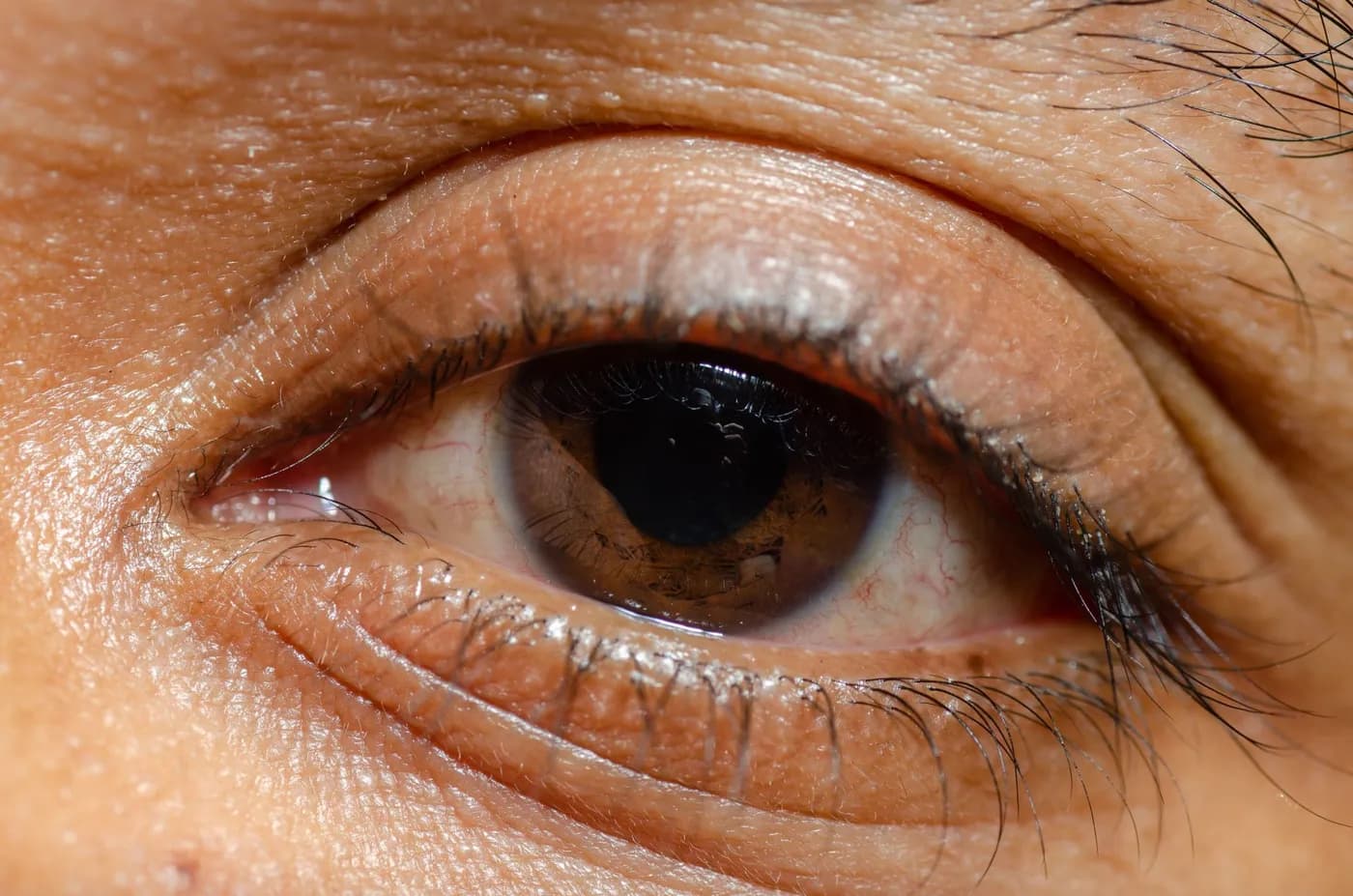
The orbicularis oculi and levator palpebrae — the two primary muscles controlling your eyelids — respond to targeted resistance and consistent daily practice, just like any other muscle. See the beginner-friendly techniques.
Key Takeaways
- The orbicularis oculi and levator palpebrae can be trained like any other muscle
- Strengthening the levator palpebrae may support better upper eyelid elevation
- Uneven eyelid strength is a common, overlooked driver of facial asymmetry
- Needs no equipment – just finger resistance and intentional muscle contractions
- Two short daily sessions work better than one long, strained session
Eyelid muscles can be trained just like any other muscle in the body. The orbicularis oculi and levator palpebrae — the two primary muscles controlling your eyelids — respond to targeted resistance exercises, controlled movement, and consistent daily practice. This guide covers beginner-friendly techniques for both upper and lower eyelids, common mistakes to avoid, and how to build a routine that actually sticks.
If you’ve been wondering how to strengthen eyelid muscles, you’re not alone. Weak eyelid muscles can contribute to drooping, eye fatigue, and reduced facial muscle tone. Just like any other muscle in the body, these can be trained with targeted, regular exercises.
6 Benefits of Strengthening Eyelid Muscles
- Reduces Eye Fatigue Weak eyelid muscles tire quickly, especially during long screen hours. Regular eyelid exercises may gradually ease the heaviness and tension around the eyes by building endurance in the surrounding muscle fibers.
- Improves Upper Eyelid Lift Strengthening the levator palpebrae — the muscle responsible for lifting the upper lid — may support better eyelid elevation for those dealing with mild drooping. Consistent practice over several weeks is what makes the difference.
- Supports Lower Eyelid Tone The lower lid is often neglected. Targeted exercises for the lower orbicularis oculi can help maintain tone and may reduce the appearance of puffiness and laxity over time with regular practice.
- Enhances Facial Symmetry Uneven eyelid strength is a common driver of asymmetry in the upper face. Working both sides consistently builds more balanced muscle engagement across the orbital region. You can explore facial exercises for symmetry to address the wider picture alongside eyelid-specific work.
- Complements Overall Facial Fitness Eyelid exercises pair naturally with broader facial muscle training. Adding eyelid-specific work into a face fitness routine helps build more complete muscle engagement from the forehead down.
- Builds Long-Term Consistency Unlike gym workouts, eyelid exercises require no equipment and take under five minutes. That makes them easy to attach to an existing habit — morning yoga, breath work, or even your skincare routine.
How to Get Started with Eyelid Muscle Training
What You Need to Begin
No equipment is needed. A clean mirror, good lighting, and clean hands are all that is required. You will be using finger resistance and intentional muscle contractions — the same principle behind resistance training exercises applied to the smallest muscles of your face.
Setting Realistic Goals
Eyelid muscles are small and respond slowly. Set your expectation at four to six weeks of consistent daily practice before noticing meaningful improvement. Avoid overworking the muscles — two short sessions per day is more effective than one long, strained session.
Start with the Basics
Begin with gentle resistance squeezes and slow controlled blinks. These activate both the upper and lower portions of the orbicularis oculi without straining the delicate orbital tissue. Once comfortable, layer in the more targeted exercises listed in the next section.
Best Exercises to Strengthen Eyelid Muscles

Resistance Blink
Place a clean fingertip lightly on the outer corner of each eye. Close your eyes slowly against this gentle resistance, hold for 2 seconds, then open. This trains the orbicularis oculi to work against load. Perform 3 sets of 10 reps.
Eyebrow Lift with Lower Lid Squeeze
To strengthen lower eyelid muscles specifically, place your index finger just below the lower lash line. Try to lift the lower lid upward using just the muscle — not by squinting the full eye. Hold 2 seconds and release. Do 3 sets of 10. This is one of the most direct approaches for how to strengthen lower eyelid muscles.
Upper Lid Resistance Hold
For how to strengthen upper eyelid muscles, place a finger on the brow bone and gently press it down, preventing it from rising. Now try to open your eyes as wide as possible, feeling the levator palpebrae engage. Hold for 3 seconds. Repeat 8 to 10 times per side. This isolates the upper lid lift with precision.
Slow Controlled Blink Sequence
Close both eyes fully over 3 slow counts, hold closed for 2 counts, then open over 3 counts. This full-range movement builds endurance across both upper and lower lids simultaneously. Do 15 to 20 repetitions in one sitting.
Single-Eye Wink Training
Hold one eye open with light finger pressure on the brow while deliberately winking the other eye 10 times. Switch sides. This builds unilateral eyelid strength and directly addresses symmetry concerns in the upper face.
Eye Roll with Squeeze
Close your eyes and slowly roll your eyeballs in a full circle — up, sideways, down, and back. After completing one circle, squeeze the lids shut firmly for 2 seconds. This works the surrounding orbital muscles in coordination. Perform 5 circles in each direction.
Palming Relaxation Finish
After every session, rub your palms together to generate warmth, then cup them gently over closed eyes for 30 seconds. This relaxes the muscles worked, reduces post-exercise tension, and prevents overstrain. For more structured eye care within a yoga practice, see yoga eye exercises as a useful complement.
Common Mistakes to Avoid
- Poor Form Many beginners recruit the forehead or brow muscles instead of isolating the eyelid. If you notice your eyebrows shooting up during upper lid exercises, place a finger on the brow to hold it steady. The movement should come from the lid alone.
- Skipping the Warm-Up Going straight into resistance holds without first doing a few slow, relaxed blinks is the equivalent of sprinting without stretching. A 60-second gentle blinking warm-up prepares the orbital muscles and reduces the risk of strain.
- Overtraining The eyelid muscles are small. More is not more. Two focused sessions of 5 minutes each per day is optimal. Doing aggressive reps throughout the day can lead to soreness and temporary puffiness around the eye socket.
- Inconsistency This is the most common obstacle. Sporadic practice produces no measurable change in small muscle groups. What creates real progress is a habit that runs daily, even on days when motivation is low. Pairing your eyelid exercises with a structured morning routine makes it far easier to stay on track.
Who Should Try Eyelid Strengthening Exercises?
- Beginners These exercises require zero equipment and carry very low injury risk, making them genuinely accessible to anyone starting a facial fitness routine. There is no baseline strength required — you simply begin where you are.
- Women Hormonal shifts over time can affect facial muscle tone, including around the eyes. Regular eyelid training may help women support muscle tone through consistent practice — as a complement to good overall health, not a replacement for medical advice. Explore targeted facial exercises for women to build a broader routine around this.
- Older Adults Age-related muscle loss affects facial muscles too. Eyelid exercises are gentle enough to be safe for most older adults and may support better eyelid function over time. Always consult your doctor if you have a pre-existing eye condition before beginning any exercise programme.
- Working Professionals Screen fatigue is a near-universal experience for desk workers. A 5-minute eyelid workout during a break — or right after closing the laptop — can meaningfully support how your eyes feel by end of day. It is one of the most time-efficient habits you can add to your workday.
Build Strength with a Routine That Actually Works
Building strength — whether in large muscle groups or the smallest muscles of your face — is not about doing random exercises once in a while. It is about consistency, guided progression, and a structured plan you can follow every single day.
What You Get with Habuild’s Strong Everyday Program:
- Daily live guided strength and yoga sessions
- Beginner to advanced progression designed for real people
- No-equipment and home-friendly workouts
- Expert guidance to help you maintain correct form
- Community support to keep you consistent when motivation dips
Whether your goal is eyelid strength, full-body conditioning, or simply building a daily movement habit, Habuild’s structured strength training programme meets you where you are.
Start Your Strength Training Journey
Related reads: How to Strengthen Neck Muscles: Exercises & Tips · How to Strengthen Core Muscles: Exercises & Tips
Even a muscle group as small as the eyelids responds best to the same principle that governs every other part of the body — controlled movement, repeated consistently, beats sporadic effort every time. If that principle resonates for your face, it applies even more directly to the muscles doing the heavy lifting elsewhere in your training. Habuild’s Strong Everyday program is built around that same consistency, giving your full-body strength work the same structured attention this guide gives your eyelids.
Frequently Asked Questions
Related Articles

How to Strengthen Neck Muscles: Exercises & Tips
Learn how to strengthen neck muscles with proven exercises, beginner tips, and a structured routine. Start your free 7-day trial with Habuild today.
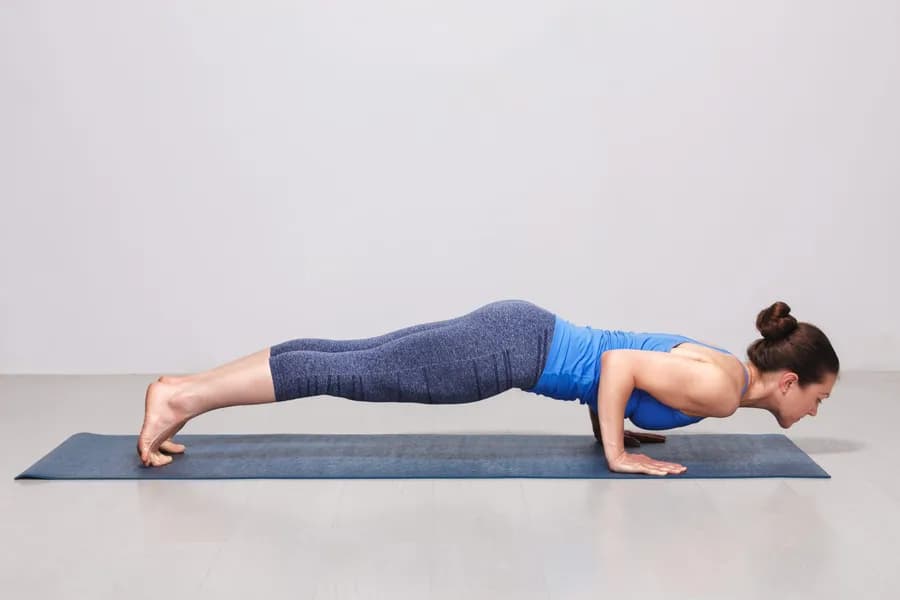
How to Strengthen Core Muscles: Exercises & Tips
Learn how to strengthen core muscles at home with expert exercises, beginner tips, and a structured routine. Start your free 7-day trial with Habuild today.
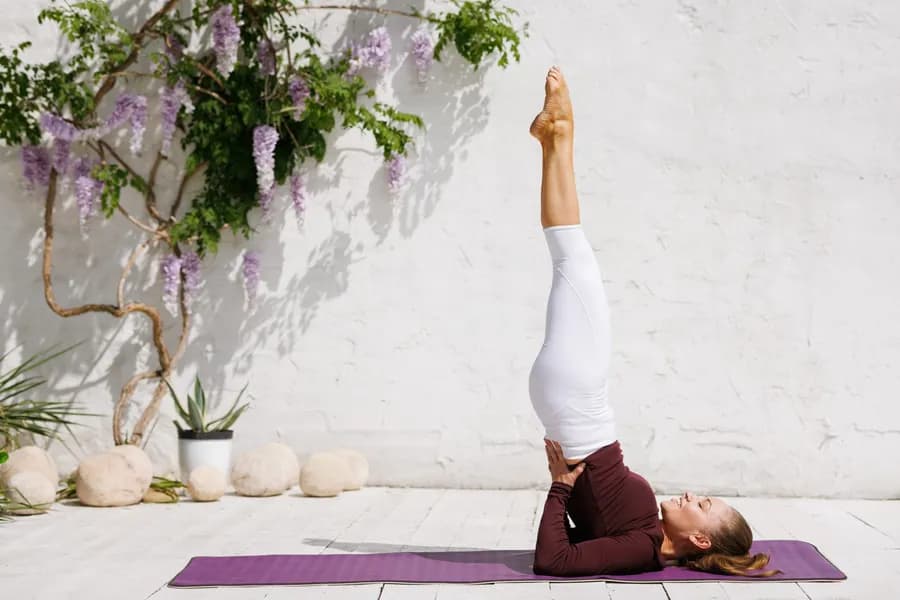
How to Strengthen Shoulder Muscles: Exercises, Tips, and a Plan That Works
Pike push-ups, resistance band face pulls, and overhead presses, done 2-3 times a week, target the deltoids and rotator cuff with consistent form and progressive overload. See the full plan.
How to Strengthen Abdominal Muscles: Exercises, Tips & a Plan That Works
Training the rectus abdominis, transverse abdominis, and obliques three to four times a week with planks, dead bugs, and hollow holds shows measurable stability gains within four to six weeks. See the full plan.
How to Strengthen Hamstrings: Exercises, Tips, and a Plan That Works
The hamstrings power walking, running, squatting, and protect your knees — training them two to three times a week with hip-dominant and knee-flexion moves builds real strength. See the full plan.