
How to Strengthen Shoulder Muscles: Exercises, Tips, and a Plan That Works
Pike push-ups, resistance band face pulls, and overhead presses, done 2-3 times a week, target the deltoids and rotator cuff with consistent form and progressive overload. See the full plan.
Key Takeaways
- Pike push-ups, band face pulls, and overhead presses target deltoids and rotator cuff.
- Weak shoulders are a main reason for rounded shoulders and forward head posture.
- Many shoulder injuries happen because rotator cuff stabilisers are underdeveloped.
- Stable shoulders make bench presses, rows, and overhead presses safer and effective.
- More muscle mass from shoulder work means a slightly higher resting metabolic rate.
Strong shoulders support nearly every pushing, pulling, and lifting movement in daily life. To strengthen shoulder muscles at home, focus on the deltoids and rotator cuff using bodyweight moves like pike push-ups, resistance band face pulls, and overhead presses — performed 2–3 times per week with consistent form and progressive overload.
If you’ve been wondering how to strengthen shoulder muscles without a gym full of equipment, you’re in the right place. Whether you’re carrying groceries, sitting at a desk all day, or trying to build functional upper body strength, your shoulders are involved in all of it. This guide walks you through the benefits, the best exercises, common mistakes to avoid, and who can benefit most from shoulder training.
6 Key Benefits of Strengthening Your Shoulder Muscles
- Improves Posture and Reduces Slouching Weak shoulder muscles are one of the main reasons people develop rounded shoulders and forward head posture — especially those who spend hours at a screen. Strengthening the deltoids and rotator cuff muscles helps pull the shoulders back into alignment, gradually improving how you carry yourself throughout the day.
- Builds Functional Upper Body Strength Shoulders act as the anchor for almost all upper body movements. When your shoulder muscles are strong, tasks like pushing open a door, lifting a bag overhead, or carrying a child become significantly easier and safer. Building functional strength through targeted exercises pays dividends in everyday life, not just in training sessions.
- Reduces Risk of Shoulder Injury A large number of shoulder injuries happen precisely because the stabilising muscles — particularly the rotator cuff — are underdeveloped. Consistent shoulder strengthening builds the muscular support that protects the joint during dynamic movements, reducing the likelihood of strains and impingements over time.
- Supports Better Performance in Other Lifts Bench presses, push-ups, rows, and overhead presses all demand stable, strong shoulders. When your deltoids and surrounding muscles are well-conditioned, every other upper body exercise becomes more effective and less injury-prone.
- May Gradually Ease Existing Shoulder Discomfort For people dealing with mild tightness or stiffness, a consistent and properly structured shoulder strengthening routine may help gradually ease discomfort through consistent practice. This is not a replacement for medical advice — regular movement and strength work can complement whatever care plan you’re already on.
- Boosts Metabolism and Lean Muscle Development Like all resistance training, shoulder work builds lean muscle tissue. More muscle mass means a slightly higher resting metabolic rate — your body burns more energy even at rest. Over weeks and months of consistent practice, this compounds meaningfully.
How to Get Started with Shoulder Strengthening
What You Need to Begin
You don’t need a gym membership or expensive equipment to start building shoulder strength. Bodyweight exercises like pike push-ups, arm circles, and wall slides are genuinely effective for beginners. If you want to progress faster, a single pair of light dumbbells (2–5 kg) or a resistance band is all you need. A flat, non-slippery floor and about 30 minutes of your time is enough to get started.
Setting Realistic Goals
Shoulder strength takes time to build — especially if you’re starting from scratch or recovering from poor posture habits. Aim for 3 sessions per week with at least one rest day between them. Expect noticeable improvements in strength and mobility within 4–6 weeks of consistent training. Avoid the temptation to train shoulders every day; muscles need recovery time to grow and adapt.
Start with the Basics
Before loading up on weights or intensity, master the fundamental movement patterns: overhead press, lateral raise, and horizontal row. These three movements cover the front, side, and rear deltoids. Start with light resistance and focus entirely on form — controlled movements with a full range of motion are far more effective than sloppy reps with heavy weight.
Best Exercises to Strengthen Your Shoulder Muscles

Pike Push-Up
A bodyweight staple that targets the front and side deltoids. Start in a downward dog position, bend your elbows to lower your head toward the floor, then press back up. Keep your hips high throughout. Aim for 3 sets of 8–12 reps. This is one of the most underrated exercises for building shoulder strength at home without any equipment.
Dumbbell Overhead Press
Hold a dumbbell in each hand at shoulder height, palms facing forward. Press both dumbbells overhead until your arms are fully extended, then slowly lower back down. This movement directly targets all three heads of the deltoid. Do 3 sets of 10–12 reps. Water bottles or filled bags work well as substitutes if you don’t have dumbbells.
Lateral Raise
Stand with dumbbells or resistance bands at your sides. Raise both arms out to the sides until they reach shoulder height, then lower slowly. This isolates the medial (side) deltoid — the muscle most responsible for giving shoulders their width and definition. Perform 3 sets of 12–15 reps with a controlled tempo.
Resistance Band Face Pull
Anchor a resistance band at chest or head height. Hold the band with both hands and pull it toward your face, keeping your elbows high and wide. This exercise is excellent for the rear deltoids and rotator cuff — muscles that are chronically weak in most people who sit at desks. Do 3 sets of 12–15 reps. Targeted shoulder exercises using resistance bands like face pulls are among the most joint-friendly options available.
Wall Slide
Stand with your back flat against a wall, arms bent at 90 degrees and pressed against the wall. Slowly slide both arms up overhead while keeping contact with the wall throughout the movement, then slide back down. This improves shoulder mobility and trains the stabilising muscles around the shoulder blade. 3 sets of 10 reps is a solid starting point.
Arnold Press
Start with dumbbells at chest height, palms facing you. As you press the weights overhead, rotate your palms outward so they face forward at the top. This rotation engages more of the deltoid through a greater range of motion than a standard overhead press. Try 3 sets of 8–10 reps.
Bent-Over Rear Delt Raise
Hinge forward at the hips until your torso is roughly parallel to the floor. Hold light dumbbells or a band and raise both arms out to the sides, squeezing your shoulder blades together at the top. This targets the often-neglected rear deltoids and builds balanced shoulder strength that prevents injury. 3 sets of 12 reps.
Common Mistakes to Avoid When Training Shoulders
- Poor Form and Momentum One of the most common shoulder training mistakes is using momentum — swinging the weights up rather than controlling the movement through the full range. This shifts the workload away from the deltoids and places unnecessary stress on the joints. Slow down your reps and choose a weight you can genuinely control. A structured upper body strength training program will help you develop correct patterns from the start.
- Skipping the Warm-Up The shoulder is a ball-and-socket joint with a wide range of motion — which also makes it relatively vulnerable to strain when cold. Always spend 5–10 minutes warming up with arm circles, band pull-aparts, and light mobility work before loading the joint. Skipping this step is one of the fastest ways to develop a nagging injury that keeps you out of training for weeks.
- Overtraining the Front Deltoid Most people unknowingly overwork the front deltoid through chest presses and push-ups while completely ignoring the side and rear deltoids. This muscular imbalance leads to rounded shoulders and increased injury risk. Make sure your shoulder training includes lateral raises and rear delt work in roughly equal measure to pressing movements.
- Inconsistency Shoulder strength — like all physical adaptation — requires consistent stimulus over time. Training hard once a week and then skipping the next two weeks will not produce meaningful progress. Three sessions per week with manageable intensity is far more effective than sporadic intense workouts. Consistency is the single biggest predictor of results in any strength program.
Who Should Try Shoulder Strengthening?
- Beginners If you’ve never trained your shoulders before, start with bodyweight movements like pike push-ups and wall slides. These build a foundation of strength and motor control without the risk of overloading a joint that isn’t ready for it yet. Even two sessions per week will produce noticeable improvements within a month.
- Women There’s a common misconception that lifting weights will make women’s shoulders look bulky. In reality, shoulder training for women typically produces a toned, defined look that improves posture and gives the upper body a stronger silhouette. Women have significantly lower testosterone levels than men, which means building large, bulky muscle mass is not the natural outcome of strength training. Strength training designed for women prioritises functional strength and balance — not size.
- Older Adults Shoulder strength becomes especially important as we age. Maintaining strong shoulder muscles helps preserve range of motion, supports balance, and makes daily activities like reaching overhead or carrying objects much safer. If you’re over 50 or have any existing joint concerns, start with very light resistance and consider working with a qualified trainer. Always consult your doctor before starting a new exercise program if you have a pre-existing condition.
- Working Professionals Long hours at a desk are a major contributor to weak, tight shoulders and upper back tension. Even short, targeted shoulder sessions — 20 to 30 minutes, three times a week — can make a meaningful difference in how your body feels by end of day. Stronger shoulders mean less reliance on passive posture and less accumulated tension in the neck and upper back.
Build Shoulder Strength with a Routine That Actually Works
Building strong shoulders isn’t about doing random exercises and hoping for results — it’s about following a structured plan, showing up consistently, and getting guidance that keeps your form correct and your progress on track. With the right support, you can train effectively from home and feel a real difference over time.
What you get with Habuild’s Strong Everyday Program:
- Daily live guided strength sessions — including targeted shoulder and upper body work
- Beginner-to-advanced progression so you’re always training at the right intensity
- No-equipment and home-friendly workout options
- Expert guidance to ensure correct form on every exercise
- A supportive community that helps you stay consistent week after week
Explore Habuild’s comprehensive strength training program to understand how live-guided sessions work and what a structured plan looks like in practice.
Start Your Shoulder Strengthening Journey
Related reads: How to Strengthen Chest Muscles: Exercises, Tips & a Plan That Works · How to Strengthen Calf Muscles: Exercises, Tips & a Plan That Works
Shoulders are notoriously easy to undertrain or overtrain, since the deltoids and rotator cuff need a careful balance of pushing, pulling, and stabilizing work to develop safely. Trying to piece that together session by session is where most home shoulder routines lose momentum. Strong Everyday sequences that balance for you as part of a complete strength program, so your shoulders — and the rest of your upper body — progress together instead of in isolation.
Frequently Asked Questions
Related Articles

How to Strengthen Chest Muscles: Exercises, Tips & a Plan That Works
A stronger chest builds pushing power, supports shoulder stability, and helps correct the rounded-shoulder posture desk work causes. See every practical step, no equipment needed.
How to Strengthen Calf Muscles: Exercises, Tips & a Plan That Works
The calves power walking, running, and balance, yet they're among the most neglected muscle groups in most routines. See the best exercises to close that gap.
How to Strengthen Hamstrings: Exercises, Tips, and a Plan That Works
The hamstrings power walking, running, squatting, and protect your knees — training them two to three times a week with hip-dominant and knee-flexion moves builds real strength. See the full plan.
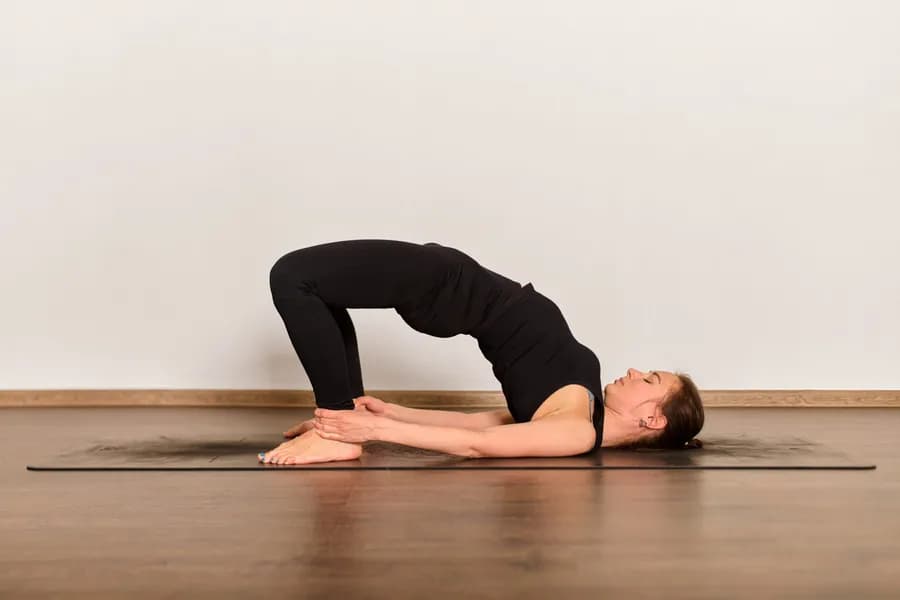
How to Strengthen Glute Muscles: Exercises, Tips & a Plan That Works
Strong glutes support your lower back, improve posture, and make everyday movement easier — built at home with bodyweight alone. See the exercises and how to train with consistency.

How to Strengthen Neck Muscles: Exercises & Tips
Learn how to strengthen neck muscles with proven exercises, beginner tips, and a structured routine. Start your free 7-day trial with Habuild today.

Strength Training Routine for Beginners
Start your strength training routine for beginners today. Learn the best exercises, avoid common mistakes, and build real consistency from day one.