
How to Build a Leaner Body Without a Crash Diet
A sustainable approach to muscle definition that supports strength and everyday wellbeing.


Key Takeaways
- A lean look depends on muscle and gradual fat loss.
- Give strength training a central role.
- Make modest food changes and include protein.
- Sleep and enough food protect progress.
When people say they want a “cut body”, they usually mean more visible muscle and less body fat. That look depends on more than doing endless crunches or eating very little. Building or keeping muscle, losing fat gradually when appropriate and recovering from training all matter. The useful goal is a body that feels stronger and functions well, with appearance as one part of the picture.
Separate muscle from body fat
A lower number on the scale does not tell you exactly what was lost. Body weight includes muscle, fat, water and other tissues. A rapid drop may partly reflect fluid changes rather than a large amount of fat loss.
Muscle definition depends on muscle size and how much fat covers it, but genetics and fat distribution influence the look too. Two people following similar routines may not develop the same visible outline.
This is why copying a social-media transformation is a poor way to set expectations. Choose goals you can influence, such as getting stronger, eating consistently and making gradual changes if excess body fat is a concern.
Give strength training a central role
Resistance exercise gives muscles a reason to adapt. It can involve weights, bands, machines or bodyweight movements that are challenging at an appropriate level.
A beginner might use a chair squat, a wall or incline push-up, a supported row and a comfortable hip-hinge movement. The exact exercises should suit ability and any injuries. Learning control is more useful than rushing into the hardest version.
Build up gradually as movements become easier. More repetitions, a little more resistance or improved range can all be forms of progress. Habuild's strength training resources can help you explore ways to make resistance work part of a regular routine.
Do not make every session a punishment
Training needs recovery. Doing the same demanding workout every day, particularly when eating very little, can leave you sore, tired and less able to improve.
Include easier days and spread activity across the week. Walking, cycling or other enjoyable movement can sit alongside strength sessions without every activity needing to be exhausting.
Some muscle effort is expected, but sharp pain, dizziness or unusual breathlessness is a reason to stop and assess what is happening. A routine should become more manageable with practice, not progressively disrupt normal life.
Make the food change modest
Fat loss requires a sustained energy deficit, but an aggressive restriction is not necessary or helpful for everyone. A smaller, repeatable change is often easier to combine with training.
Start with the most obvious extras if they are frequent: sugary drinks, large amounts of cooking fat or repeated unplanned snacks. Keep meals substantial enough to support daily work and exercise.
For example, retain rice or roti at lunch while adding a useful portion of dal, beans, tofu or paneer and vegetables. A smaller grain portion may fit your needs, but removing every carbohydrate food can make training and meals unnecessarily difficult.
Put protein into meals you already eat
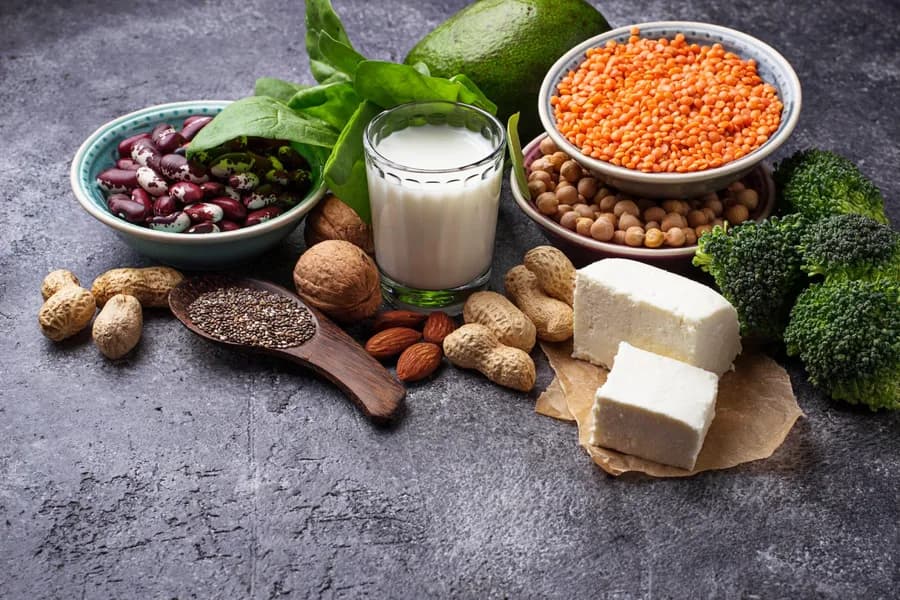
Protein helps support muscle maintenance and adaptation to exercise. Vegetarian options include pulses, soy foods, paneer, curd and other dairy products where used.
Distribute these foods across the day rather than leaving most protein for dinner. Besan chilla with curd, rajma at lunch and tofu in a vegetable dish are ordinary ways to do that.
A few nuts sprinkled over a meal can add flavour and nutrients, but they are not always enough as the main protein component. Look for a meaningful serving rather than a token garnish. The amount needed differs with body size, activity and health, so one gram target does not suit everyone.
Carbohydrates can stay in the plan
Carbohydrate foods support everyday activity and training. Oats, rice, roti, potatoes, fruit and pulses can all have a role. The aim is to choose portions that fit the meal and your needs.
If you train after work, a long food gap followed by a hard session may feel poor. A planned snack such as fruit with curd or a small sandwich can be more useful than a stimulant drink.
You do not need to earn carbohydrates through exercise. Nor does eating them at dinner automatically stop fat loss. Consider the overall pattern instead of imposing a timing rule that makes shared meals difficult.
Progress needs more than a daily weigh-in
Body weight fluctuates with fluid, bowel contents and other factors. If you use the scale, compare a longer trend under similar conditions rather than reacting to every change.
Also notice strength, walking stamina, how clothes fit and whether you can recover between sessions. Better function can appear before a dramatic visual change.
Photographs can be distorted by lighting, posture and a temporary muscle pump. Use them cautiously rather than comparing an ordinary evening photo with a professionally lit fitness image. A healthy routine should not require constant body checking.
Sleep and enough food protect the process
Poor sleep can make training and appetite management harder. Keep a regular sleep opportunity where possible, and avoid using late caffeine to push through every tired workout.
Persistent exhaustion, feeling cold, frequent injuries, declining performance or menstrual changes can be signs that the plan is too demanding or food intake is inadequate. These deserve attention rather than praise for dedication.
Visible abs are not a necessary marker of health. Trying to stay extremely lean can be unsuitable for some people and difficult to maintain. A sustainable body composition should leave room for energy, social meals and normal daily function.
Supplements are a smaller decision
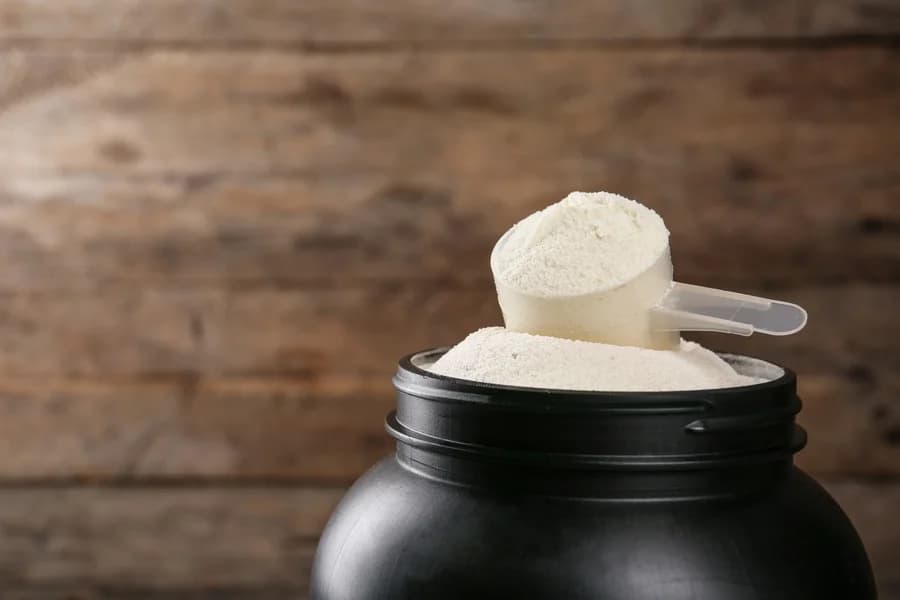
Protein powder may be convenient when food is difficult, but it is not compulsory. A fat burner, detox drink or dehydration routine is not needed to create definition.
Avoid deliberately cutting water or using laxatives to make the body look temporarily leaner. Those changes do not represent meaningful fat loss and can be harmful.
Start with a manageable training schedule and one food improvement. Build consistency before adding more rules. A stronger, leaner body develops through repeated ordinary work, with enough recovery to keep doing it.
Editorial sources
Frequently Asked Questions
Related Articles
Whey Protein for Muscle Gain: Amount, Timing and Safety
Whey can make hitting your protein target easier, but training, total intake and recovery build muscle. Here is how to use it well.


Muscles and carbs: why strength helps energy use
Strength training changes how your body uses carbs, not just how it looks. See the simple connection between muscle and energy use.


Can Yoga Build Muscle? Here’s What Actually Happens to Your Body
Yoga uses your own bodyweight as resistance and engages multiple muscle groups simultaneously — the stimulus is real, even though it works differently.


How to Improve Muscle Strength: 8 Proven Ways to Build Real, Lasting Power
Most adults lose 3-8% of muscle per decade after 30 simply because they stop training it — but strength responds to consistent practice at any age, with.