
Whey Protein for Muscle Gain: Amount, Timing and Safety
Whey can make hitting your protein target easier, but training, total intake and recovery build muscle. Here is how to use it well.
Key Takeaways
- Whey can help meet protein needs; it is not required for muscle gain.
- Total daily protein matters more than a tiny timing window.
- Concentrate, isolate and hydrolysate differ in lactose, processing and price.
- Milk allergy, kidney disease and contaminated products require special care.
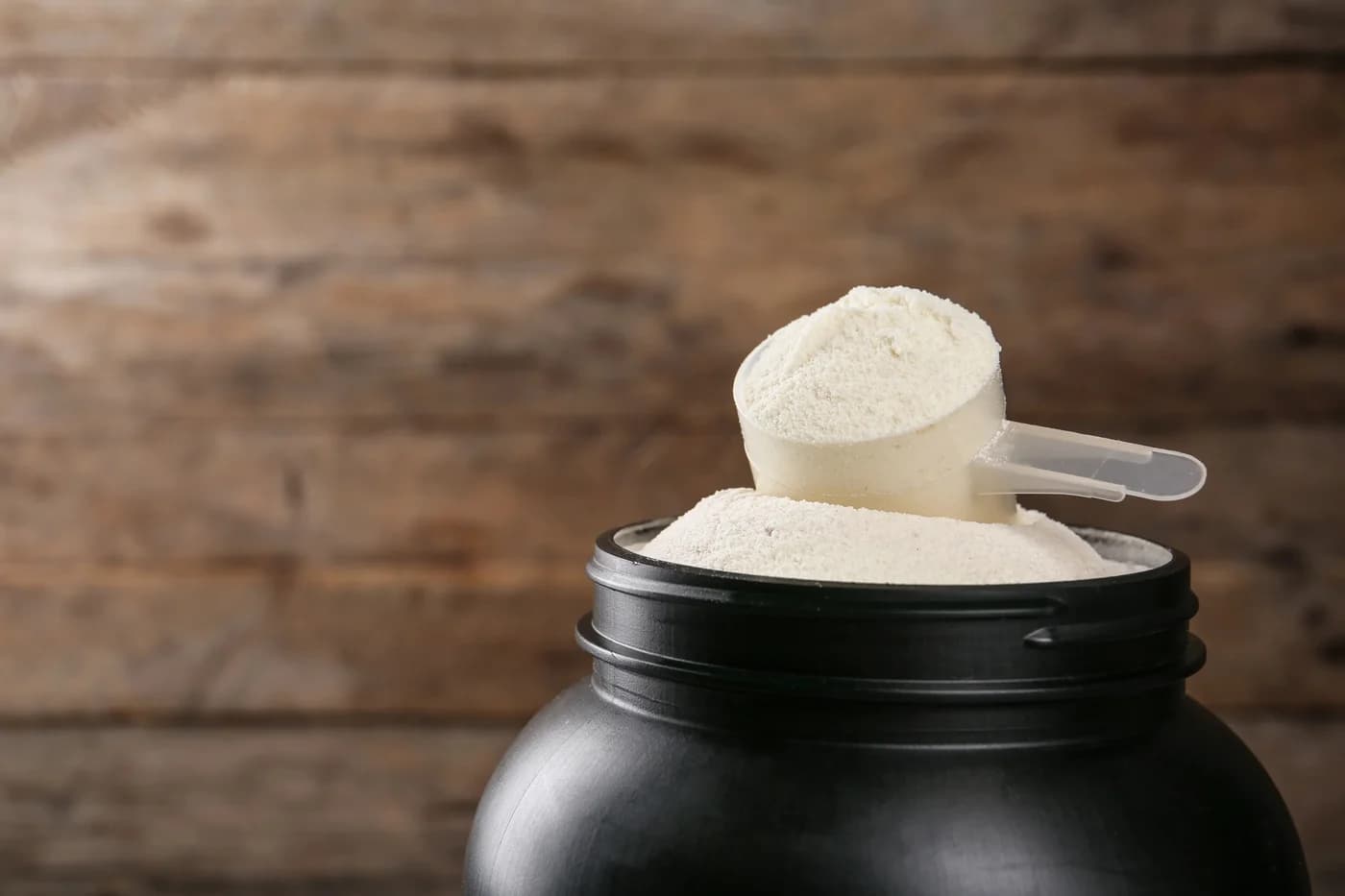
Whey is a complete dairy protein separated during cheese-making and processed into powders. It is rich in leucine and digests quickly, which makes it convenient around training. Muscle gain still comes from progressive resistance exercise, adequate total energy, sufficient daily protein and recovery. A shake cannot rescue inconsistent training or meals that are chronically too small.
How does whey support muscle?
Resistance exercise stimulates muscle protein synthesis, the process of building new muscle tissue. Whey supplies the indispensable amino acids, including leucine, that this process needs. The effect supports adaptation when training is progressive and energy intake is adequate. Drinking extra shakes without a training stimulus mainly adds protein and calories, not automatic new muscle.
How much protein do you need?
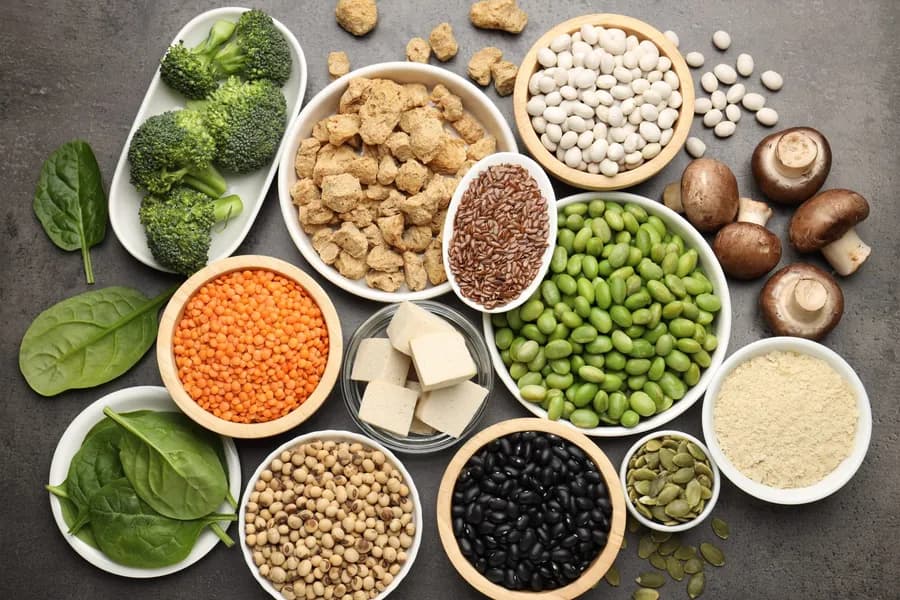
Needs depend on body size, training, age and total energy intake. Many active adults can build muscle within a broad evidence-based range, spread across meals rather than packed into one sitting. Start by counting the protein you already get from regular vegetarian foods before deciding how large a supplement gap actually exists. For many people the gap is smaller than marketing suggests.
Does timing matter?
Protein in the hours around training is useful, but the opportunity is wider than the "30-minute anabolic window" often promoted in gyms. A convenient post-workout shake works; so does a meal with a good protein source. Consistency across the day and week matters more than rushing to mix powder before leaving the gym.
Concentrate, isolate or hydrolysate?

- Whey concentrate usually contains more lactose and a little more fat.
- Whey isolate is more protein-dense and often lower in lactose.
- Whey hydrolysate is partially broken down and usually costs more.
Tolerance, budget, taste and verified protein content matter more than claims that one form builds muscle dramatically faster.
What if you are lactose intolerant?
Some people tolerate isolates better, but products vary and flavourings or added ingredients can also cause symptoms. Lactose intolerance is different from milk protein allergy: any whey remains unsafe for a true milk allergy. Repeated bloating deserves a product and portion review rather than an assumption that discomfort is normal.
How do you choose a clean product?
Look for:
- transparent protein content per serving
- a complete ingredient list
- credible independent testing
Avoid proprietary "muscle blends" with undisclosed stimulant or herbal amounts. Competitive athletes who face drug testing should use batch-tested products, because supplements can be contaminated with banned substances. A dramatic label and an oversized tub do not prove purity.
Can too much be harmful?
Large amounts can displace fibre-rich meals, cause digestive symptoms and add unnecessary expense. Healthy kidneys manage appropriate protein intakes, while diagnosed kidney disease needs an individual plan from the treating team. Severe unexplained weight loss or weakness should be assessed by a doctor, not self-treated with shakes.
What should a muscle-building day include?
Spread protein through breakfast, lunch, a meal near training and dinner, using milk, curd, paneer, tofu, pulses and whey if useful. Include carbohydrate to fuel training and enough total energy to support growth. Sleep and rest days complete the programme: muscle is rebuilt during recovery, not during the workout alone.
Do you really need a scoop?
Before buying whey protein, look at what you normally eat for two or three days. Are you already having enough dal, beans, soy foods, paneer, curd, nuts and seeds? If yes, you may not need protein powder every day.
Whey can be convenient when regular meals fall short, perhaps after exercise, during travel or on an unusually busy day. Start with a small amount and notice how your body responds. If it causes bloating, heaviness or loose motions, reduce the quantity or stop using it.
Reading the evidence
Research on whey is often quoted without the exact product, amount, population or outcome that was studied. Small or short studies may miss uncommon side effects, and results in trained athletes may not apply to beginners. Treat whey as a convenient protein source that supports training, not a shortcut that replaces it.
Editorial sources
Frequently Asked Questions
Related Articles

Whey vs Plant Protein: Which One Should You Choose
Whey and plant protein aren’t about which is ‘better’ overall — it’s about which fits your digestion, diet, and goals. See how they compare on absorption.


Creatine: Benefits, Uses, Dosage Basics and Safety
Creatine is made in the body and stored mainly in muscle, where it helps supply quick energy during short, intense activity.

Daily protein intake: why your body needs protein every day
Daily protein intake matters because your body uses protein every day for repair, recovery and daily function. Learn simple vegetarian protein habits.