
List of Cardio Exercises at Home
Jumping jacks, high knees, burpees, mountain climbers, and squat jumps need only bodyweight and a small patch of floor. See the full list and how to build a routine.
Key Takeaways
- Jumping jacks, high knees, burpees, mountain climbers, and squat jumps need zero equipment.
- Even 20-minute home sessions can meaningfully support a calorie deficit for fat loss.
- Low-impact options like marching in place and step touches keep joints mobile too.
- Removing gym travel friction makes home cardio one of the easiest habits to actually build.
- High-intensity home cardio triggers an afterburn effect that keeps metabolism elevated after.
- Pairing home cardio with structured strength training produces better body composition results.
A reliable list of cardio exercises at home covers movements like jumping jacks, high knees, burpees, mountain climbers, and squat jumps — all requiring only bodyweight, zero equipment, and a small patch of floor. Done consistently, these cardiovascular exercises at home improve stamina, support fat loss, and build a lasting daily movement habit.
Whether your goal is cardio for fat loss, better stamina, or simply feeling more energetic through the day — you don’t need a gym or a treadmill to get started. This guide covers the best cardio exercises at home, how to begin safely, common mistakes to avoid, and who benefits most from a home cardio routine.
10 Benefits of Cardio Exercises at Home
- Burns Calories and Supports Fat Loss Regular cardio for fat loss works by elevating your heart rate and prompting your body to draw on stored energy. Done consistently, even 20-minute home sessions can meaningfully support a calorie deficit — no special equipment needed.
- Improves Cardiovascular Endurance Your heart is a muscle. Cardiovascular exercises at home challenge it progressively, improving how efficiently it pumps blood and oxygen. Over weeks, you’ll notice you’re less winded doing the same everyday activities.
- Boosts Metabolism High-intensity home cardio keeps your metabolic rate elevated even after the session ends — often called the afterburn effect. This makes it a time-efficient option for anyone managing their weight.
- Reduces Stress and Supports Mental Wellbeing Movement triggers endorphin release and helps regulate cortisol. A 20-minute cardio session in the morning can noticeably shift your mood and focus for the rest of the day.
- Strengthens Lung Capacity Repeated aerobic effort trains your lungs to exchange oxygen more effectively. This carries over into daily life — climbing stairs, carrying groceries, keeping up with your kids all become noticeably easier.
- Requires Zero Equipment The best cardio exercises require nothing more than your bodyweight. This removes the single biggest barrier most people cite: access and cost.
- Builds a Daily Movement Habit Home cardio is one of the most reliable ways to build a consistent exercise habit, because the friction of travelling to a gym simply doesn’t exist. Habit formation happens faster when the routine is easy to initiate.
- Improves Sleep Quality Regular moderate-intensity cardio is associated with deeper, more restorative sleep. Even a 15-minute session can positively influence your sleep cycle and energy levels the following morning.
- Supports Joint Mobility Low-impact home cardio options — marching in place, step touches, lateral shuffles — keep joints lubricated and mobile without the compressive force of running on pavement.
- Complements Strength Training Effectively Cardio and strength work are not competing goals — they’re complementary. Pairing home cardio with a structured strength training programme produces better body composition results than either approach in isolation.
How to Get Started with Cardio Exercises at Home
What You Need to Begin
Virtually nothing. A clear patch of floor roughly 2×2 metres is enough for most home cardio workouts. Wear supportive footwear for jumping movements and use a yoga mat for floor-based work. No dumbbells, no resistance bands, no machines required to get going.
Setting Realistic Goals
A common trap is doing too much, too fast. If you’ve been sedentary, start with two to three sessions per week of 15–20 minutes and build gradually — increasing either duration or intensity, never both at once. The goal in the first four weeks is not peak performance; it’s building the habit of showing up. Sustainable progress always beats one spectacular week followed by a month off.
Start with the Basics
Begin with lower-impact versions of every exercise before attempting high-impact variations. March in place before high knees at full speed. Step jacks before jumping jacks. This protects your joints, builds confidence, and keeps injury risk low. Allow at least one full rest day between early sessions so your body can adapt.
Best Cardio Exercises at Home
Jumping Jacks
A classic full-body movement that elevates heart rate quickly. Stand with feet together, then simultaneously jump feet apart and raise arms overhead before returning to start. Aim for 3 sets of 30–45 seconds with 15 seconds‘ rest. For a low-impact version, step one foot out at a time rather than jumping.
High Knees
Run in place, driving each knee up toward your chest as high as comfortable while engaging your core. High knees are among the best cardio exercises for building leg drive and core stability together. Try 20 seconds on, 10 seconds off for 6–8 rounds.
Burpees
The most comprehensive bodyweight cardio movement on this list. Drop into a squat, place hands on the floor, jump or step feet back to a plank, then explode upward to standing. Start with 3 sets of 8–10 reps. Remove the jump at the top if you’re a beginner. Among all strength and conditioning exercises, burpees deliver an unmatched combination of cardio and total-body effort.
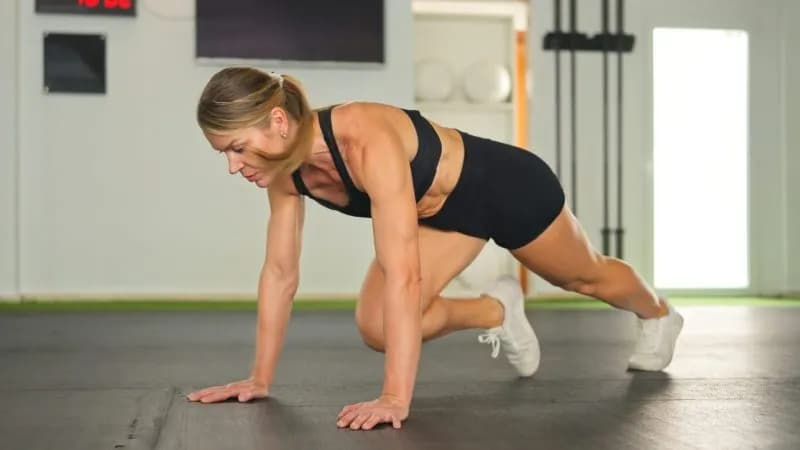
Mountain Climbers
Begin in a push-up position with wrists under shoulders. Alternately drive each knee toward your chest in a running motion, keeping hips level. Mountain climbers are outstanding for cardio for fat loss because they combine sustained aerobic demand with deep core activation. Do 3 sets of 30 seconds.
Skipping in Place
Even without a rope, mimicking the small rhythmic jumps of skipping is highly effective cardiovascular exercise. Keep jumps small, land softly on the balls of your feet, and maintain a quick cadence. This low-fatigue format suits longer steady-state sessions where you want heart rate elevated without spiking intensity.
Squat Jumps
Lower into a standard squat, then explode upward, leaving the ground before landing softly back in the squat position. Squat jumps blend lower-body strength development with intense cardiovascular demand. Do 3 sets of 10–12 reps with full rest between sets. Beginners can substitute a bodyweight squat with a calf raise at the top.
Lateral Shuffles
Assume a slight athletic stance, push off one foot to shuffle sideways, and touch the floor with your opposite hand at the end of each shuffle. Shuffles are a lower-impact, coordination-building option that keeps heart rate up without the joint stress of vertical jumping — ideal for active recovery days. Do 3 rounds of 30 seconds in each direction.
Common Mistakes to Avoid
- Poor Form Speed means nothing if your form breaks down. Sloppy landings during burpees or squat jumps shift force into your knees and lower back rather than the muscles you’re training. Slow down, master the movement pattern, then add pace.
- Skipping the Warm-Up Cold muscles and connective tissue are far more injury-prone. Spend at least 5 minutes warming up with gentle marching, arm circles, and hip rotations before any high-intensity movement. A proper warm-up also prepares your nervous system, improving performance during the session itself.
- Overtraining More is not always better. Five or six hard sessions in a row without adequate rest leads to fatigue, mood disruption, and eventually regression in fitness. Build in at least two rest or active recovery days per week, especially in your first month. If you want to add more volume safely, a structured resistance training programme for beginners can help you progress without overloading the system.
- Inconsistency The biggest gap between people who see results and those who don’t is not intensity — it’s consistency. Three moderate sessions every week for three months will outperform sporadic bouts of intense training every time. Structure and accountability matter enormously here.
Who Should Try Cardio Exercises at Home?
- Beginners Home cardio is the ideal entry point for anyone who has never exercised regularly. The low barrier — no gym, no equipment, no commute — means the first session can start today. Begin with low-impact modifications and short durations to remove any intimidation factor and keep the experience positive from day one.
- Women Home cardio is particularly practical for women managing multiple daily commitments. It supports fat loss, hormonal balance, and cardiovascular health without requiring hours away from home. There is no physiological reason to limit intensity — progression and consistency are the variables that matter, not gender.
- Older Adults Low-impact home cardio — shuffles, marching, step touches — helps older adults maintain heart health, mobility, and balance without the injury risk of high-impact movements. Always consult a healthcare professional before starting a new exercise programme if you have existing cardiovascular or musculoskeletal conditions. Gradual progression is especially important in this group.
- Working Professionals A 20-minute home cardio session before or after work requires no commute and no scheduling complexity. The energy and posture benefits of regular aerobic exercise also directly address the stiffness and afternoon fatigue that desk-bound work creates throughout the week.
Build Strength with a Routine That Actually Works
Getting fitter is not about doing random workouts when motivation strikes — it’s about consistency, guidance, and following a structured plan that progresses with you. Habuild’s Strong Everyday Programme combines daily live-guided strength and cardio sessions designed to work from home, with no equipment needed to start.
- Daily live guided strength and cardio sessions
- Beginner-to-advanced progression built in
- No-equipment, home-friendly workouts
- Expert guidance to ensure correct form
- Community support to keep you consistent
If you’ve been looking for a programme that pairs home cardio with structured progression, explore Habuild’s strength training programme — designed to work alongside your cardio routine for better long-term results.
Related reads: Cardio Exercises at Home: The Complete Guide to Getting Started · Best Exercises for Fat Loss at Home
Jumping jacks and burpees only compound into real stamina and fat-loss gains when they’re part of an ongoing routine rather than an occasional burst of motivation. Structure — knowing what to do, for how long, and how often — is usually the missing piece, not the exercises themselves. Habuild’s Strong Everyday program offers a guided daily training plan that takes care of that structure, so you can focus on simply showing up.
Frequently Asked Questions
Related Articles
20 Different Types of Exercises at Home
Discover 20 different types of exercises at home — from strength to yoga. Build consistency and real results. Start your 14-day free trial trial with Habuild today.
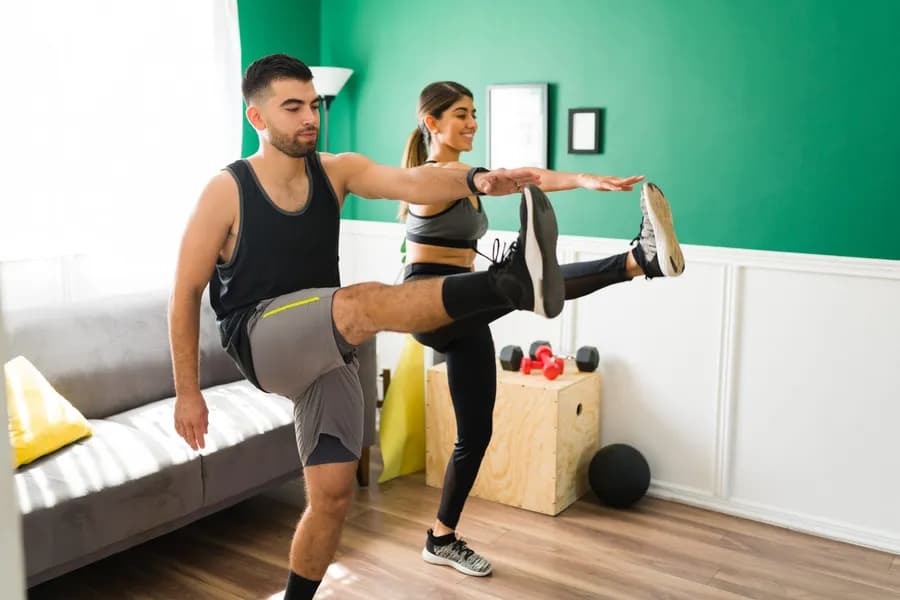
Active Recovery Workout: Benefits, Best Exercises & How to Get Started
Discover the best active recovery workout routines for full body relief. Learn exercises, mistakes to avoid, and how to stay consistent. Start for ₹1 today.
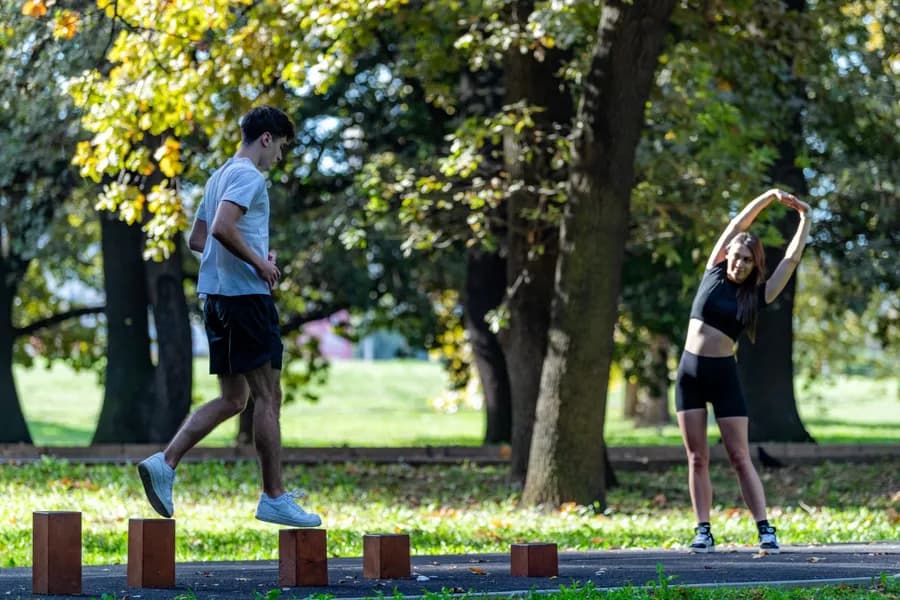
Warm Up Exercises Before Workout
Discover the best warm up exercises before workout to boost shoulder stability and prevent injury. Start your ₹1 trial with Habuild today.
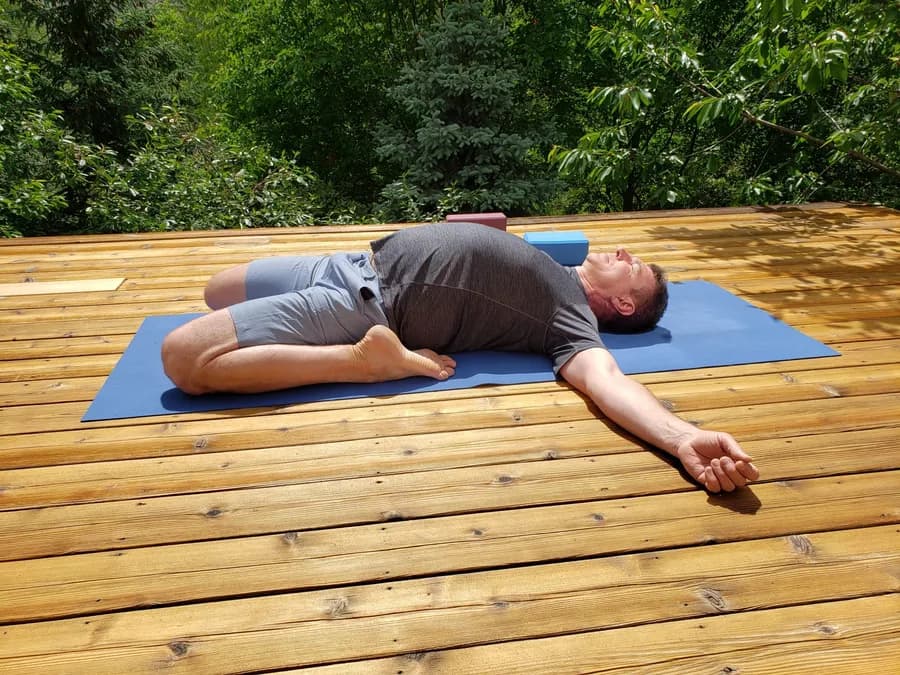
Benefits of Daily Exercise: Strength, Energy & More
Discover the key benefits of daily exercise — from stronger muscles to better sleep. Start your journey with Habuild's guided strength program with a 14-day free trial.
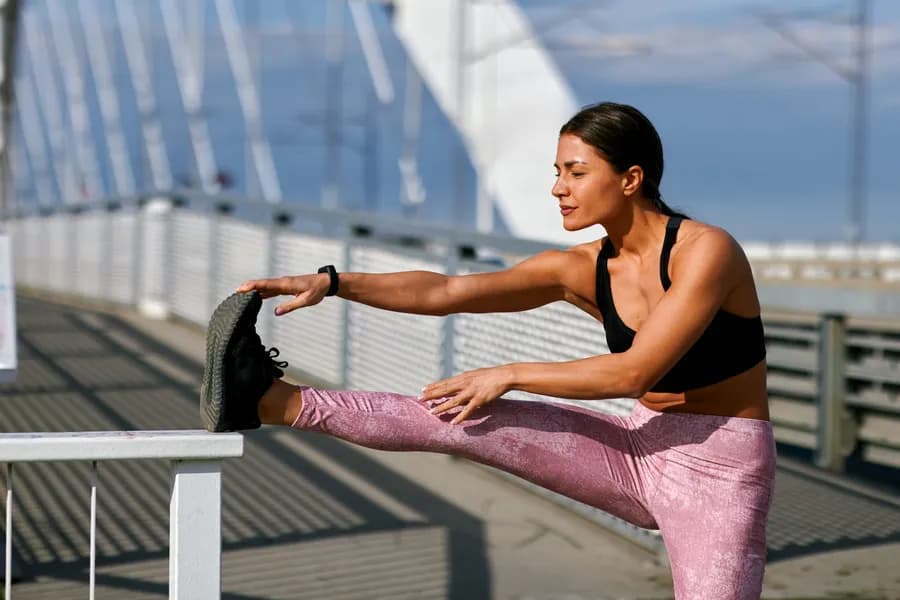
Dynamic Stretching Exercises: Benefits, Poses & How to Get Started
Controlled, flowing movements take muscles and joints through their full range of motion before activity, reducing injury risk. See the poses and how to build them into your warm-up.