
Lower Body Workout at Home: Exercises, Benefits & Beginner Plan
Build real leg and glute strength with a lower body workout at home. No gym needed. Expert-guided plan, beginner-friendly exercises & tips for staying consistent.

Key Takeaways
- Targets the quadriceps, hamstrings, glutes, and calves within 20-30 minutes from home.
- Squats, glute bridges, reverse lunges, and wall sits build functional strength without a gym.
- Large lower-body muscle groups demand more energy, creating a lasting caloric effect.
- Weight-bearing squats and lunges place beneficial stress that strengthens bone tissue.
- Naturally recruits core stability muscles, making the workout more efficient than expected.
- Strengthening the glutes, quads, and hamstrings helps take pressure off the knees and hips.
A lower body workout at home targets your quadriceps, hamstrings, glutes, and calves using bodyweight movements or minimal equipment. No gym is needed. Exercises like squats, glute bridges, reverse lunges, and wall sits build functional strength, support better posture, and improve daily movement — all within 20–30 minutes from your living room.
A solid lower body workout at home does more than shape your legs — it builds the functional foundation for everyday movement, supports better posture, and strengthens the muscles that carry you through the day. Whether you have 20 minutes or a full hour, you don't need a gym or heavy equipment to train your lower half effectively. This guide covers everything you need to start, stay consistent, and see real progress. It also touches on how lower body training naturally recruits core stability muscles — making it more efficient than most people realise.
8 Benefits of Lower Body Training at Home
- Builds Leg and Glute Strength Your quadriceps, hamstrings, and glutes are among the largest muscle groups in the body. Training them regularly builds meaningful strength that carries over into walking, climbing stairs, and carrying loads without fatigue.
- Boosts Metabolism Large muscle groups demand more energy — both during and after training. Understanding what strength training exercises actually do to your metabolism helps clarify why lower body work creates a lasting caloric effect well beyond the session itself.
- Improves Bone Density Weight-bearing exercises like squats and lunges place beneficial stress on your bones, which encourages gradual strengthening of bone tissue — particularly important as you age.
- Enhances Functional Strength Movements like squats and step-ups mimic real-life actions. Training these patterns at home gradually improves how easily you move through daily tasks — bending, lifting, and walking long distances feel progressively less taxing.
- Supports Fat Loss Lower body exercises, especially compound movements, engage multiple muscles simultaneously. This creates a higher caloric demand and, when practiced consistently, may support gradual fat loss over weeks and months.
- Reduces Knee and Hip Discomfort Strengthening the muscles around your joints — particularly the glutes, quads, and hamstrings — helps take pressure off your knees and hips during movement. Many people find that regular, structured training gradually eases joint discomfort through consistent practice.
- No Equipment Required Bodyweight lower body training is remarkably effective. You don't need dumbbells or machines to build strength — the right movement patterns and progressive load through reps, tempo, and depth are enough to create real adaptation.
- Builds Daily Consistency Training at home removes commute barriers. When your workout space is your living room, showing up becomes far easier — and consistency is the single biggest driver of long-term fitness results.
How to Get Started with Lower Body Training at Home
What You Need to Begin
Almost nothing. A yoga mat or firm carpet, comfortable clothing, and enough floor space to stretch your arms out is sufficient. If you want to progress over time, a single resistance band or a pair of light dumbbells can add variety — but they're optional for beginners. Core exercises at home using light dumbbells, such as goblet squats or dumbbell lunges, are a natural extension once the basics feel solid.
Setting Realistic Goals
Your first goal should be completing three sessions per week for four consecutive weeks. Not perfect sessions — consistent ones. Aim for progressive improvement in form before chasing higher reps or added resistance. Soreness in the first week is normal; pain in your joints is not. Adjust accordingly.
If you're just starting out, understanding how to structure strength training at home safely and progressively will save you a lot of guesswork in the early weeks.
Start with the Basics
Begin with bodyweight squats, glute bridges, and standing lunges. These three movements cover all the primary lower body muscle groups and teach the foundational patterns you'll build on over time. Aim for 2–3 sets of 10–12 reps per exercise, resting 60–90 seconds between sets.
Best Lower Body Exercises to Do at Home
Bodyweight Squats
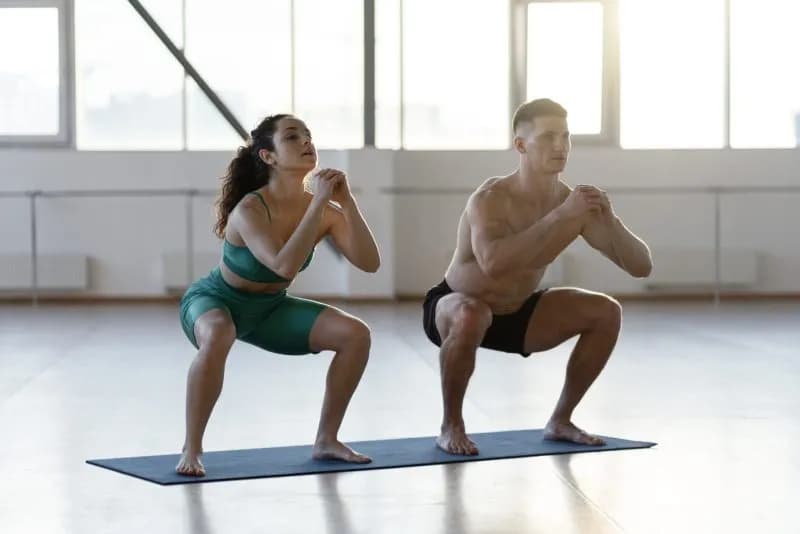
Stand with feet shoulder-width apart, toes slightly turned out. Lower your hips until your thighs are roughly parallel to the floor, keeping your chest tall and knees tracking over your toes. Drive through your heels to stand. 3 sets × 12–15 reps. This is the cornerstone of any lower body home routine — and because squats require your trunk to stay upright against gravity, your core stability muscles are engaged throughout every rep.
Glute Bridges
Lie on your back with knees bent and feet flat on the floor, hip-width apart. Drive your hips toward the ceiling, squeezing your glutes at the top. Hold for 2 seconds, then lower slowly. 3 sets × 15 reps. Particularly effective for activating the posterior chain without loading the spine.
Reverse Lunges
From standing, step one foot back and lower your back knee toward the floor. Keep your front shin vertical and your torso upright. Push through your front heel to return to start. 3 sets × 10 reps each leg. Gentler on the knees than forward lunges, making it a strong beginner choice. You can explore how targeted leg strength training builds on these foundational movement patterns as you advance.
Sumo Squats
Take a wide stance with toes pointing outward at roughly 45 degrees. Lower into a squat, keeping your knees pushed out in line with your toes. This variation targets the inner thighs and glutes more directly than a standard squat. 3 sets × 12 reps.
Wall Sit
Stand with your back flat against a wall and slide down until your thighs are parallel to the ground. Hold the position for time. The wall sit is a deceptively effective isometric hold for building quad endurance and improving lower body stability. 3 sets × 20–45 seconds.
Step-Ups
Using a sturdy step, chair, or low platform, step one foot up and drive through that heel to bring your body fully upright. Lower with control. 3 sets × 10 reps each leg. A functional movement that trains single-leg strength and balance simultaneously.
Donkey Kicks
On all fours, keep one knee bent at 90 degrees and kick it upward toward the ceiling, squeezing your glute at the top. Avoid arching your lower back — keeping a neutral spine here also trains core stability as a secondary benefit. 3 sets × 15 reps each side.
Common Mistakes to Avoid
- Poor Form Caving knees during squats, rounding your lower back during glute bridges, or letting your front knee collapse inward during lunges are the most common errors. Poor mechanics reduce effectiveness and can contribute to joint discomfort over time. Move through a comfortable range of motion and prioritise control over depth or speed.
- Skipping Warm-Up Walking straight into squats with cold muscles and stiff hips produces subpar sessions. Spend 5 minutes warming up with leg swings, hip circles, and bodyweight squats at half pace. Your muscles will respond better, and your joints will thank you.
- Overtraining Three sessions per week with a rest day between each is more than enough for most people. Doing lower body work every single day — especially as a beginner — doesn't allow adequate recovery and can slow progress. Rest is part of the training.
- Inconsistency One great workout followed by two weeks of nothing produces very little. The body adapts through repeated, regular stimulus over time. Even two shorter sessions per week, done every week, will outperform sporadic intense ones. Consistency is the method.
Who Should Try Lower Body Workouts at Home?
- Beginners Home lower body training has one of the lowest barriers to entry of any fitness practice. You can start with three beginner exercises, no equipment, and just 20 minutes — and still build meaningful strength over weeks of consistent effort. The key is starting simple and staying regular.
- Women Lower body training is particularly well-suited for women, and the idea that squats and lunges create bulky legs is a persistent myth. Resistance training — especially at bodyweight or light load — develops lean, functional muscle without adding bulk. It also supports bone density, hormonal balance, and overall energy levels over time.
- Older Adults Leg strength and mobility are closely linked to independence in later life. Glute bridges, gentle squats, and step-ups are all manageable for older adults and may gradually support better balance and joint stability through consistent practice. If you have existing joint conditions or mobility limitations, please consult your doctor before starting.
- Working Professionals Long hours of sitting weaken the glutes and tighten the hip flexors — a combination that often contributes to lower back discomfort and poor posture. A 20-minute lower body routine three times a week, done at home before or after work, can gradually counteract the effects of a sedentary desk day. A structured beginner strength plan is particularly effective for time-pressed professionals who need a clear starting point rather than guesswork.
Build Strength with a Routine That Actually Works
Building lower body strength isn't about grinding through random workouts every few days. It's about following a structured, progressive plan with the right guidance — consistently enough that your body has time to adapt. That's where most home fitness attempts fall short: not effort, but structure.
With Habuild's Strong Everyday Program, you get daily live sessions led by expert instructors who guide your form in real time, a progressive plan that takes you from beginner movements to advanced variations, and a community of people showing up every morning alongside you.
- Daily live guided strength and yoga sessions
- Beginner to advanced progression — no guesswork
- No equipment required; fully home-friendly
- Expert guidance to ensure correct form every session
- Community support that makes showing up feel natural
Start Your Strength Training Journey
Related reads: Hamstring Workout at Home: Exercises, Benefits & Beginner Guide · Core Workout at Home: Benefits, Exercises & Tips
Leg and glute strength don't come from one hard session — they build from workouts you keep repeating, with the load increasing bit by bit each week. A structured program takes that guesswork away, telling you exactly how to progress instead of leaving you to figure it out. Habuild's Strong Everyday program is built around that same steady, guided progression for your lower body and beyond.
Frequently Asked Questions
Related Articles
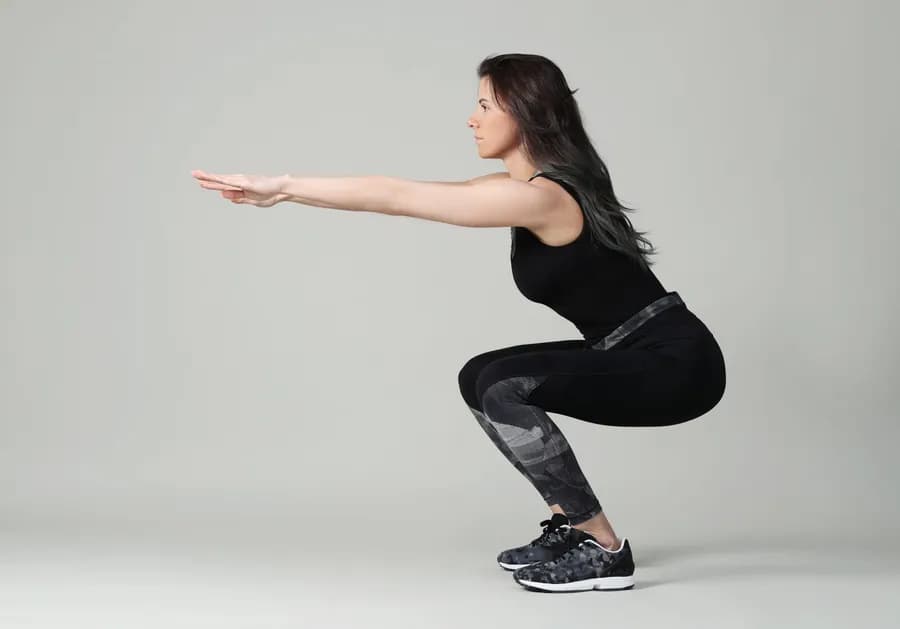
How to Do a Proper Squat: Form, Mistakes and Progressions
We're born with a perfect squat pattern and gradually lose it through years of sitting — relearning it activates the largest muscle groups and the strongest hormonal response. See the form, mistakes, and progressions.
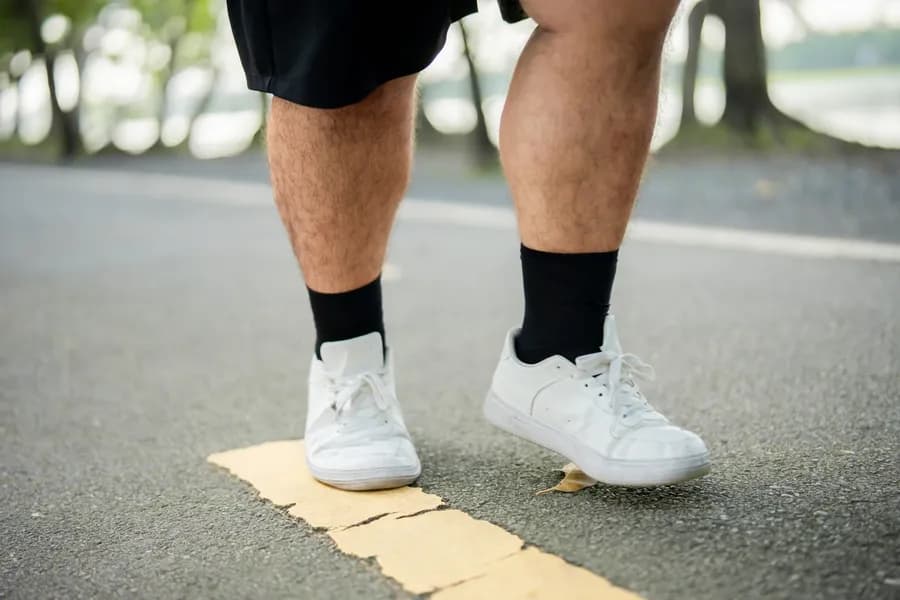
Types of Leg Workouts: Build Strength & Stability
Discover the best types of leg workouts to build strength, improve stability, and boost performance. Start your 14-day free trial trial with Habuild today.
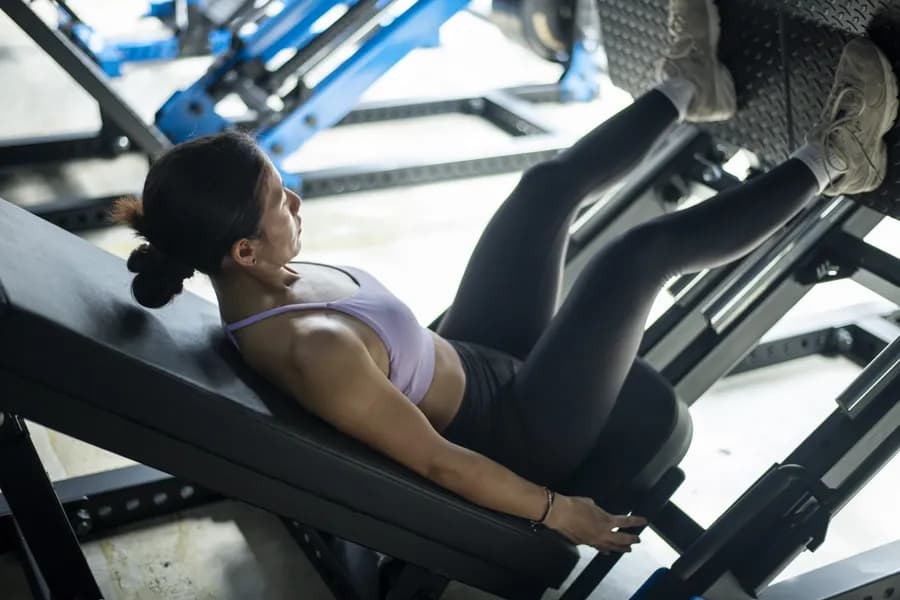
What Is a Leg Press? Benefits, Form & Home Alternatives
Learn what a leg press is, how it works, and the best home alternatives including squats and Bulgarian split squats. Start your 14-day free trial free trial today.
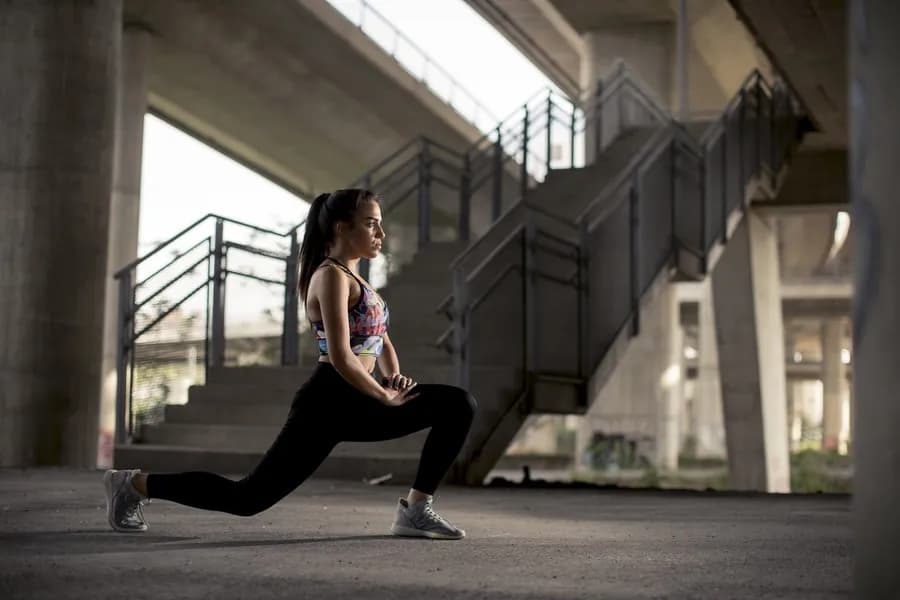
What Are Lunges Exercises? Benefits & How to Start
Stepping forward, backward, or sideways and lowering the hips until both knees form roughly 90-degree angles trains the quads, glutes, hamstrings, and core in one move. See the benefits and how to start.
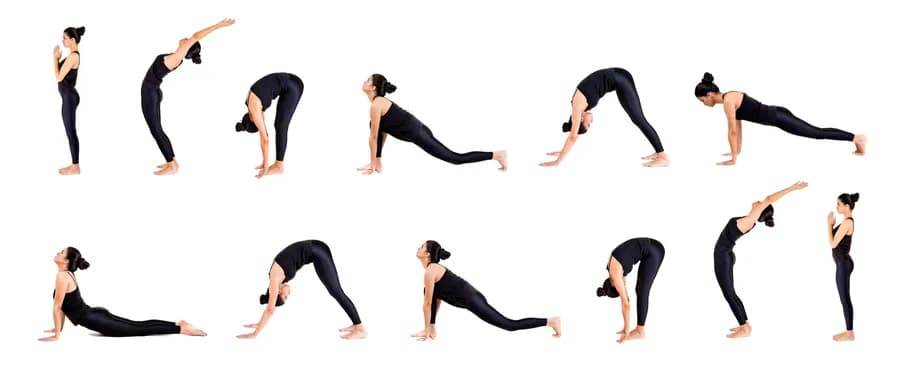
Full Body Workout at Home Without Equipment: 30-Minute Daily Plan
This 30-minute daily plan covers all major muscle groups using bodyweight only, producing a complete training stimulus in the time most people spend commuting to a gym. See the full plan.