
Hamstring Workout at Home: Exercises, Benefits & Beginner Guide
A hamstring workout targets the three muscles along the back of your thigh, reducing knee and lower back strain with just bodyweight and minimal equipment. See the best exercises and how to start.

Key Takeaways
- Targets the biceps femoris, semitendinosus, and semimembranosus at the back of the thigh.
- Weak hamstrings put excess stress on the knee joint and pull tension into the lower back.
- Most home exercisers over-focus on quads through squats, leaving hamstrings undertrained.
- Many hamstring exercises double as mobility work for the hip hinge range of motion.
- Aim for 2-3 sessions a week, focusing first on correct movement, not high rep counts.
A hamstring workout at home targets the three muscles along the back of your thigh — biceps femoris, semitendinosus, and semimembranosus — using bodyweight and minimal equipment. Consistent training builds leg strength, reduces knee and lower back strain, and improves functional movement without needing a gym.
A solid hamstring workout at home can make a real difference — not just in how your legs look, but in how your entire body moves. The hamstrings play a central role in everything from walking and climbing stairs to protecting your knees and lower back. Yet most people neglect them entirely. This guide covers everything you need to build stronger hamstrings without stepping into a gym — no machines, no fancy equipment, just smart, consistent effort.
8 Benefits of Hamstring Training at Home
- Builds Stronger Leg Muscles Targeting the hamstrings directly develops the muscles at the back of your thighs — biceps femoris, semitendinosus, and semimembranosus. Stronger hamstrings mean better power for every movement you make on your feet.
- Reduces Knee Pain Risk Weak hamstrings put excess stress on the knee joint. When you strengthen them consistently, you create a natural support system around the knee, which may gradually ease knee discomfort over time. If you already experience knee issues, exploring supportive practices for knee pain alongside strength work can help.
- Protects the Lower Back Tight or weak hamstrings pull on the pelvis and compress the lumbar spine. Regular hamstring strengthening supports better alignment and may reduce strain on the lower back through consistent practice.
- Improves Running and Sports Performance The hamstrings are the engine behind sprinting, jumping, and deceleration. Athletes and recreational runners who train their hamstrings consistently tend to move faster and more efficiently.
- Supports Fat Loss and Metabolism The legs contain some of the largest muscle groups in the body. Training them regularly increases caloric burn during and after sessions, supporting overall fat loss when combined with consistent activity.
- Enhances Functional Movement Bending, lifting, standing up from a chair — your hamstrings are involved in all of it. Functional hamstring strength means daily tasks feel easier and safer.
- Corrects Muscle Imbalances Most people who exercise at home over-focus on quads through squats and lunges. Adding dedicated hamstring work creates balance across the leg, improving posture and reducing injury risk.
- Improves Hip Flexibility Over Time Many hamstring exercises double as mobility work. With regular practice, you may notice improved hip hinge range of motion and less tightness in the backs of your legs.
How to Get Started with Hamstring Exercises at Home
What You Need to Begin
Setting Realistic Goals
If you are starting fresh, aim for 2–3 hamstring-focused sessions per week, with at least one rest day between sessions. Your first goal should be learning the correct movement patterns, not chasing high rep counts. Rushing the early stages leads to compensation patterns that can cause injury down the line.
Start with the Basics
Begin with bodyweight exercises like the lying leg curl, glute bridge, and Romanian deadlift (no weight). Focus on feeling the contraction at the back of your thigh. Three sets of 10–12 reps, two to three times per week, is a perfectly solid starting block. Build from there once the movements feel natural.
Best Hamstring Exercises at Home
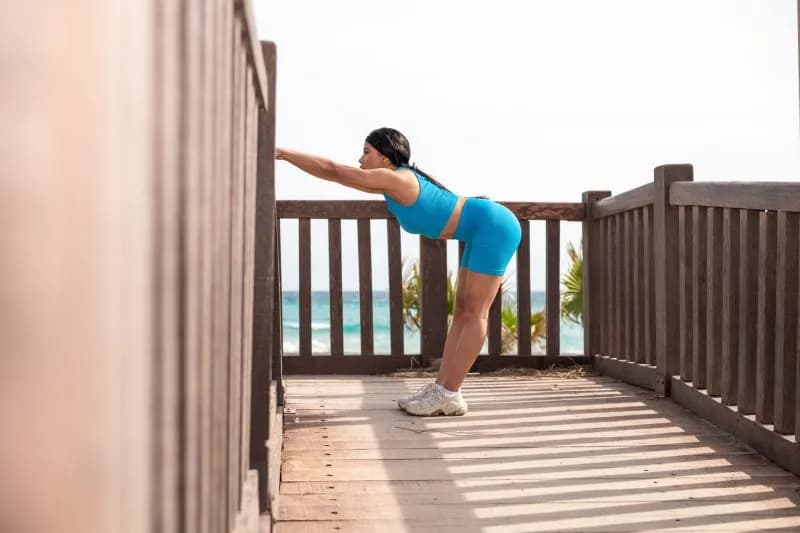
These seven exercises require minimal or no equipment and cover both strength and length — the two pillars of healthy hamstring training. For a structured approach to programming these moves, see this hamstring muscle workout guide.
Glute Bridge
Lie on your back, knees bent, feet flat. Drive your hips toward the ceiling, squeezing your glutes and hamstrings at the top. Hold for two seconds, then lower slowly. 3 sets × 15 reps.
Single-Leg Glute Bridge
Same as above, but with one foot raised. This increases the load on each leg independently and challenges stability. 3 sets × 10 reps per side.
Romanian Deadlift (Bodyweight)
Stand with feet hip-width apart. Hinge at the hips — not the waist — and push them back as you lower your torso. Keep your back flat and feel the stretch in your hamstrings. Return to standing by driving the hips forward. This is the single most effective hamstring movement you can do at home. 3 sets × 12 reps. Add a backpack filled with books for extra resistance as you progress.
Nordic Curl (Assisted)
Kneel on a mat with your feet tucked under a sofa or heavy furniture. Slowly lower your torso toward the floor, resisting the fall with your hamstrings. Use your hands to push back up if needed. This is one of the most evidence-backed hamstring strengthening exercises available. 3 sets × 5–8 reps.
Lying Leg Curl (Resistance Band)
Anchor a resistance band low (around a door base), loop it around your ankles, and lie face down. Curl your heels toward your glutes against the band’s resistance. Mimics the gym leg curl machine closely. 3 sets × 12–15 reps.
Good Mornings (Bodyweight)
Stand with hands clasped behind your head. With a slight bend in your knees, hinge at the hips and lower your torso until it’s close to parallel with the floor. Feel the hamstrings load, then return to standing. 3 sets × 10 reps.
Stability Ball Hamstring Curl
Lie on your back, place both heels on the ball, and lift your hips. Roll the ball toward you by bending your knees, then extend slowly. Effective for both hamstring strength and core control. 3 sets × 10–12 reps.
Common Mistakes to Avoid
- Poor Hip Hinge Form The most common error in exercises like Romanian deadlifts and good mornings is bending at the waist instead of hinging at the hip. A rounded lower back under load is a recipe for strain. Practice the hip hinge in front of a mirror before adding any resistance.
- Skipping the Warm-Up Cold hamstrings are tight hamstrings. Spend 5 minutes on light leg swings, bodyweight squats, and a brisk walk in place before every session. Your warm-up is not optional.
- Overtraining the Same Movement Training hamstrings every single day without recovery time does not accelerate progress — it slows it. Two to three targeted sessions per week is the sweet spot for most people.
- Neglecting Consistency One great session every two weeks produces almost no results. A moderate session twice a week, done consistently for eight weeks, produces visible and functional improvement. For a broader lower body programming view, the strength training for legs resource covers this well.
Who Should Try Hamstring Workout at Home?
- Beginners Bodyweight hamstring exercises are an excellent entry point. The movements are simple, risk is low when form is learned correctly, and progress is noticeable within four to six weeks. Start with glute bridges and bodyweight Romanian deadlifts — no equipment, no intimidation.
- Women Women tend to be quad-dominant, meaning the front of the thigh does most of the work during everyday movement. This imbalance increases the risk of ACL injuries significantly. Focused hamstring training at home directly addresses this without requiring heavy weights or gym equipment. Stronger hamstrings do not create bulk — they create shape and stability.
- Older Adults Hamstring strength is closely linked to balance, fall prevention, and independent mobility as we age. Low-impact options like glute bridges and stability ball curls are accessible, effective, and joint-friendly. If you have any existing orthopaedic concerns, check with your doctor before starting a new strength routine.
- Working Professionals Sitting for hours tightens the hip flexors and weakens the hamstrings — a combination that often drives lower back pain. A 15-minute hamstring routine three times a week can meaningfully counter the effects of a desk job. You can explore beginner strength training as a broader framework if you are just getting started.
Build Strength with a Routine That Actually Works
Building stronger hamstrings isn’t about doing random exercises from different videos every week. It’s about following a structured plan with proper progression, staying consistent, and getting guidance that corrects your form before bad habits take root. That combination is what produces real results — and it’s what Habuild’s Strong Everyday program is designed to deliver.
What You Get with Habuild’s Strong Everyday Program:
- Daily live guided strength sessions with progressive structure
- Beginner to advanced programming — start wherever you are
- No-equipment and home-friendly workouts throughout
- Expert guidance to ensure correct form from day one
- A community of members who show up daily and keep you accountable
Start Your Hamstring Training Journey
Related reads: Quad Workout at Home: Best Exercises, Benefits & Beginner Guide · Lower Body Workout at Home: Exercises, Benefits & Beginner Plan
Strong hamstrings aren’t built in a single home session — they’re built by returning to the same three muscles week after week and asking a little more of them each time. Rather than piecing together exercises on your own, a guided plan can sequence that progression so your legs keep improving instead of plateauing after the first few workouts. That kind of structured, consistent training is exactly what Habuild’s Strong Everyday program is built around, turning isolated leg days into real lower-body strength.
Frequently Asked Questions
Related Articles

How to Build Leg Muscles at Home
Squats, lunges, and glute bridges consistently train the quads, hamstrings, glutes, and calves — no gym or dumbbells needed. See the routine to build real leg strength.
Glute Exercises for Women: Benefits, Best Moves & How to Get Started
Bridges, squats, and clamshells build lower-body strength and improve posture, using nothing more than bodyweight. See the best moves to get started.
Glute Exercises for Men: Build Strength, Power, and Stability
Hip thrusts, Romanian deadlifts, and glute bridges build lower-body power and support athletic performance — with results in six to twelve weeks. See why glutes matter for men’s training.

How to Strengthen Lower Back Muscles: Exercises, Tips & Routines
Targeted training of the erector spinae, multifidus, and quadratus lumborum builds the stability that protects the spine during everyday movement. See the exercises that work, no equipment needed.
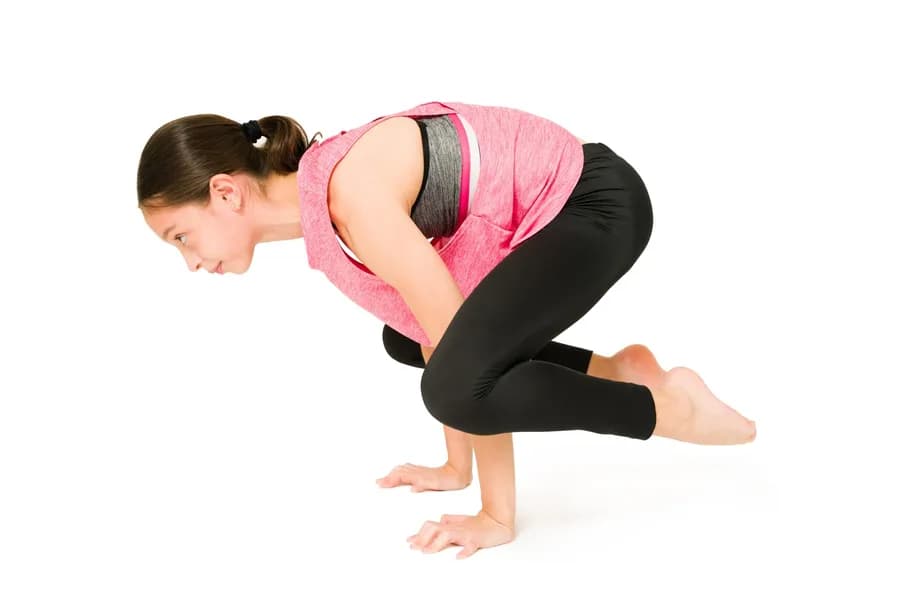
Best Exercise Routine for Beginners
Squats, push-ups, lunges, and planks done three days a week, with progressive difficulty, need no gym or equipment. See the full beginner routine.
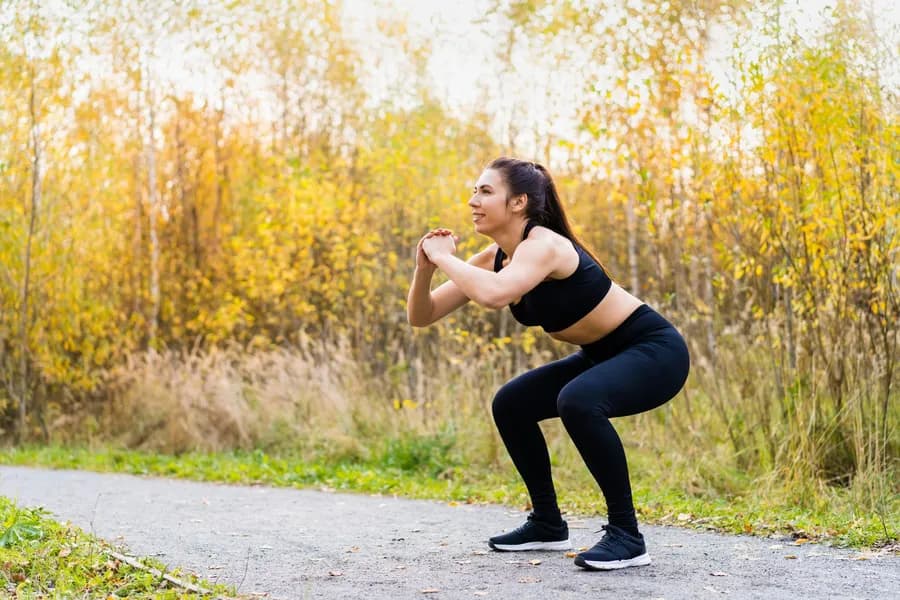
10 Benefits of Strength Training for Women
Resistance training builds lean muscle, supports fat loss, and improves bone density — all achievable from home with no equipment. See all 10 benefits.