
Pelvic Floor Exercises for Women: Benefits, Techniques & How to Get Started
Kegel contractions and other targeted movements strengthen the muscles supporting the bladder, bowel, and uterus — most women notice improved control within four to six weeks. See the techniques and how to start.
Key Takeaways
- Kegel contractions are the most common form of pelvic floor training.
- Part of the deep core system, working alongside the diaphragm and transverse abdominis.
- Widely recommended as a first-line postpartum recovery tool, alongside medical guidance.
- Most women notice improved control within four to six weeks of consistent daily practice.
- Safe and often encouraged from early in the first trimester of pregnancy.
Pelvic floor exercises for women are targeted movements that strengthen the muscles supporting the bladder, bowel, and uterus. Kegel contractions are the most common form. With consistent daily practice — typically two to three short sessions — most women notice improved control and core stability within four to six weeks, requiring no equipment.
Pelvic floor exercises are one of the most underrated yet impactful forms of training you can add to your daily routine. Whether you’re navigating post-pregnancy recovery, mild bladder leakage, or simply want to build deeper core strength, consistent pelvic floor work gradually improves how you feel — in everyday movement, during workouts, and even at rest.
This guide covers everything you need to know: what pelvic floor exercises actually are, the key benefits, how to get started, the most effective movements, and common mistakes most women make without realising it.
8 Benefits of Pelvic Floor Exercises for Women
- Reduces Bladder Leakage Stress urinary incontinence — leaking a little when you sneeze, laugh, or jump — is extremely common and often goes unspoken. Regular pelvic floor training helps the muscles that control the bladder become more responsive, which may gradually ease these episodes when practiced consistently.
- Supports Core Strength and Stability The pelvic floor is part of your deep core system, working alongside the diaphragm, transverse abdominis, and multifidus muscles. Strengthening it supports better posture, more stable movement patterns, and lower injury risk across all physical activities. If you’re already exploring pelvic floor strength exercises, this foundational work makes every other exercise more effective.
- Aids Postpartum Recovery Pregnancy and childbirth place significant demands on pelvic structures. Gentle, consistent pelvic floor work after delivery supports the gradual restoration of muscle tone and control — widely recommended as a first-line recovery tool, always in coordination with your healthcare provider.
- Improves Sexual Health Stronger, more aware pelvic muscles are associated with improved sensation, better muscle control, and reduced pelvic discomfort during intimacy. Many women report gradual improvements in this area after six to eight weeks of consistent practice.
- Supports Pelvic Organ Prolapse Management For women experiencing mild pelvic organ prolapse, targeted pelvic floor exercises can support symptom management as part of a broader physiotherapy plan. This is not a substitute for medical care — always consult a pelvic health physiotherapist for moderate to severe cases.
- Eases Symptoms During Pregnancy Kegel exercises for pregnant women are safe and often encouraged from early in the first trimester. They may help manage pelvic girdle discomfort, support the growing uterus, and prepare the body for labour and recovery.
- Enhances Athletic Performance Runners, cyclists, and strength athletes benefit from a trained pelvic floor. It acts as the base of force transfer through the body — meaning better power output, reduced hip instability, and lower risk of leakage during high-impact activity.
- Builds Body Awareness and Confidence Learning to consciously engage and release deep internal muscles builds body awareness that carries over into every other form of movement — from yoga to strength training to everyday posture.
How to Get Started with Pelvic Floor Exercises
What You Need to Begin
Nothing. Pelvic floor exercises require zero equipment — no gym, no mat, no props. You can practice them lying down, seated in a chair, or standing at your kitchen counter. The real barrier is identifying the right muscles and learning to engage them correctly, not finding time or space.
Setting Realistic Goals
Improvement in pelvic floor strength is gradual — most women begin noticing meaningful changes after four to six weeks of daily practice. The goal at the start is not intensity; it is consistency and correct muscle engagement. Avoid the trap of doing dozens of rapid repetitions — quality always matters more than quantity here.
Start with two to three short sessions per day (two to five minutes each). Progress to longer holds and more challenging positions over time. Small, consistent effort over weeks compounds into real results — the same principle that applies to any strength training goal.
Start with the Basics — Finding Your Pelvic Floor
Before doing a single rep, you need to locate the muscles you are training. The most reliable technique: imagine you are trying to stop the flow of urine midstream. The muscles you engage to do that — without tensing your glutes, thighs, or abdomen — are your pelvic floor muscles.
Begin with basic holds: contract for three to five seconds, then fully release for the same duration. The release is just as important as the contraction — tight, unrelaxed pelvic floor muscles can cause their own set of problems.
Best Pelvic Floor Exercises for Women
The following movements form a well-rounded pelvic floor routine suitable for most women, including those doing kegel exercises for pregnant women. Always check with your doctor first if you are pregnant.
Kegel Contractions (Slow Holds)
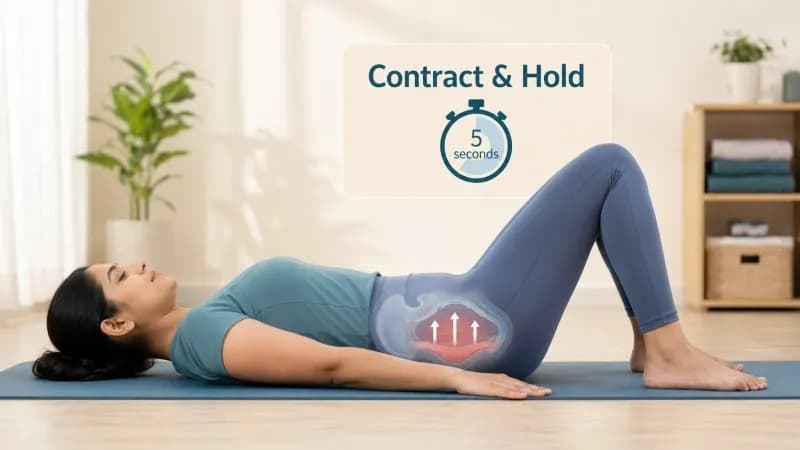
The foundational movement. Contract the pelvic floor muscles and hold for five to ten seconds, then fully relax for the same duration. Aim for 10 repetitions per set, three sets daily. Focus on isolated engagement — no breath-holding, no buttock clenching. This is the bedrock of all kegel exercises for women.
Quick Flick Kegels
Rapidly contract and release the pelvic floor in short bursts — one second on, one second off. Do 10 to 20 quick flicks per set. This trains the fast-twitch muscle fibres responsible for the reflex response that prevents leakage during sneezing or jumping. Alternate these with slow holds in your daily routine.
Bridge with Pelvic Floor Engagement
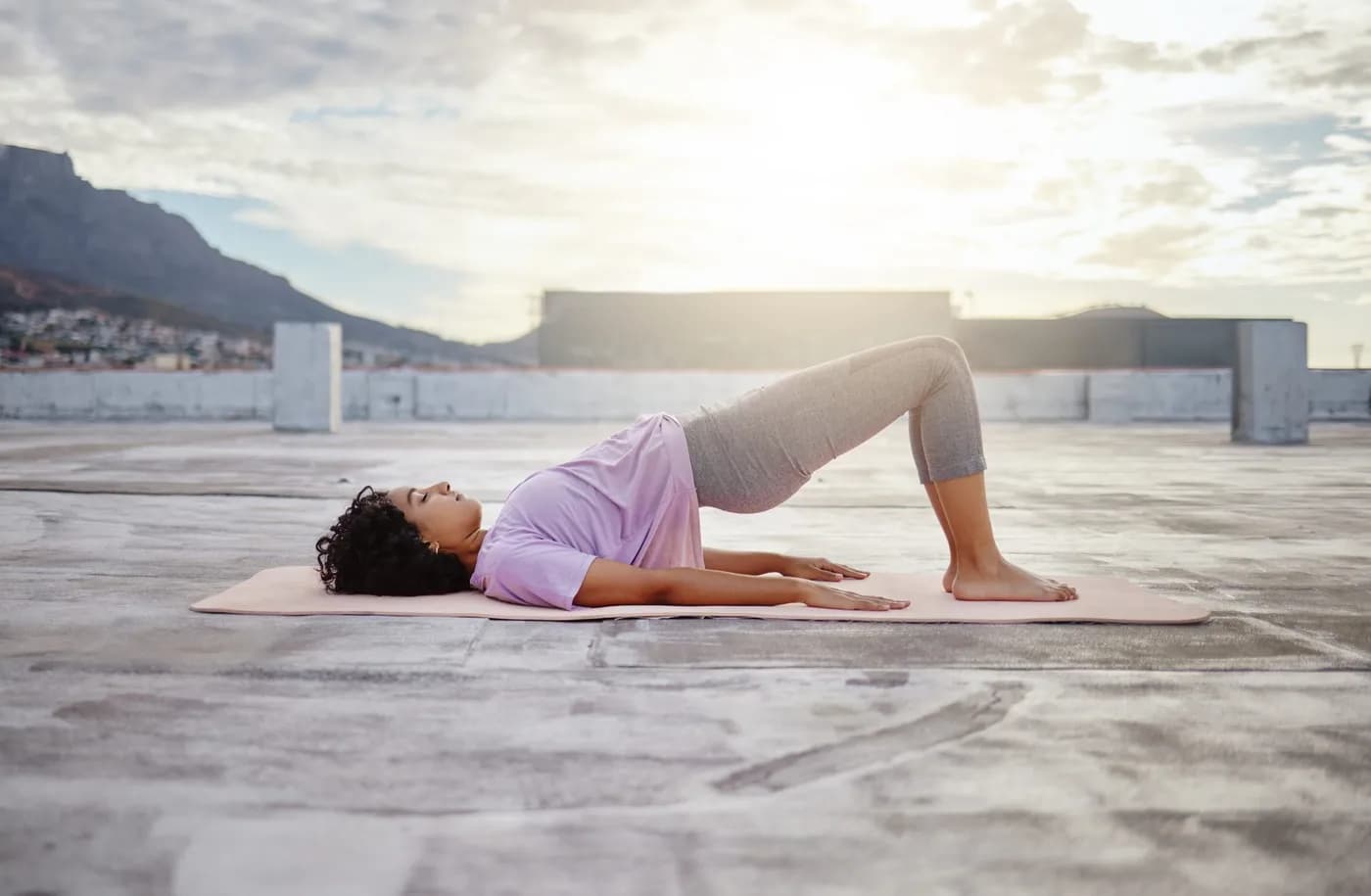
Lie on your back with knees bent, feet flat on the floor. As you lift your hips into a bridge position, gently engage your pelvic floor. Hold at the top for three to five seconds, then lower with a controlled release. Perform 10 to 12 reps. This integrates pelvic floor work with glute and lower back activation. For a broader structured approach, explore this pelvic floor workout guide.
Dead Bug with Pelvic Floor Engagement
Lie on your back, arms pointing to the ceiling, knees bent at 90 degrees. Gently engage your pelvic floor, then slowly lower one arm and the opposite leg toward the floor while keeping your lower back pressed down. Return and alternate sides. 8 to 10 reps per side. This challenges coordination of the deep core system — a significant step up from isolated kegels.
Squats with Conscious Release
Stand with feet shoulder-width apart. As you lower into a squat, allow the pelvic floor to naturally lengthen and soften. As you stand back up, engage the pelvic floor with the exhale. 10 to 15 reps. Practicing conscious release here builds proper coordination patterns that many women skip entirely.
Diaphragmatic Breathing with Pelvic Floor Coordination
Sit comfortably or lie down. Inhale deeply into your belly — as the diaphragm descends, the pelvic floor naturally lowers and softens. As you exhale, both the diaphragm and pelvic floor lift gently. Practice 10 slow breath cycles daily. This is foundational for women with a hypertonic (over-tight) pelvic floor, not only a weak one.
Side-Lying Hip Abduction with Pelvic Floor Hold
Lie on your side with legs stacked. Engage your pelvic floor gently, then lift the top leg to about 45 degrees. Lower with control. 12 to 15 reps per side. This strengthens the lateral hip stabilisers alongside the pelvic floor, reducing strain on the pelvic girdle during walking and running.
Common Mistakes to Avoid
- Bearing Down Instead of Lifting Up The most common error — especially in beginners — is pushing outward rather than lifting inward. If you feel pressure downward when you engage, you are bearing down, not contracting. Take time to learn the sensation of an upward lift before increasing reps or intensity. Doing this wrong repeatedly can worsen pelvic floor symptoms over time.
- Holding Your Breath Many women unconsciously hold their breath during pelvic floor engagement. This creates excessive intra-abdominal pressure that counteracts the work you are trying to do. Breathe freely throughout every exercise. Coordinate pelvic floor engagement with the exhale phase if you need a clear cue.
- Skipping the Release Phase Pelvic floor training is not just about contraction — it requires equal attention to full, conscious release. A pelvic floor that is too tight causes pain, discomfort during intercourse, and urinary urgency. Every hold must be followed by a complete relaxation of equal duration.
- Inconsistency Doing 50 kegel exercises once a week produces little to no adaptation. The pelvic floor responds to frequent, moderate, consistent practice — not occasional intensity bursts. Three short sessions per day, every day, will outperform any irregular high-volume approach. This principle applies across all forms of strength training, and pelvic floor work is no exception.
Who Should Try Pelvic Floor Exercises?
- Beginners If you have never intentionally trained your pelvic floor, there is no better time to start. No equipment, no gym, no prior experience required. Begin with basic slow kegel holds and progress at your own pace. Most women notice improvements in awareness and muscle control within the first two weeks.
- Women Pelvic floor training is universally beneficial for women across all ages and fitness levels — whether you are 25 or 65, sedentary or athletic. These exercises support continence, core stability, and overall quality of movement. For a broader perspective on how structured fitness supports women’s health, explore strength training for women.
- Older Adults Age-related decline in pelvic floor muscle tone is common and often goes unaddressed. Regular pelvic floor work supports bladder control, reduces fall risk through better core stability, and helps maintain independence in daily activities. If you have any existing pelvic conditions, work with a pelvic health physiotherapist to customise your approach.
- Working Professionals Long hours of sitting weaken the glutes and pelvic floor simultaneously. Pelvic exercises for women who spend most of the day at a desk can be done almost entirely without leaving the chair — slow kegel holds and breathing exercises integrate seamlessly into any workday. Even three to five minutes of intentional practice during lunch builds meaningful progress over weeks.
Build Strength with a Routine That Actually Works
Building a stronger pelvic floor is not about doing random exercises whenever you remember — it is about structured daily practice, the right progression, and guidance that ensures you are engaging the correct muscles from the start. That consistency gap is exactly what most self-guided approaches fail to bridge.
What You Get with Habuild’s Strong Everyday Program:
- Daily live guided strength and yoga sessions
- Beginner to advanced progression — including deep core and pelvic floor work
- No-equipment, home-friendly workouts
- Expert guidance to ensure correct form and muscle engagement
- Community support to help you stay consistent over weeks and months
If you are looking for a structured, guided path to building real core and pelvic floor strength, explore strength training for beginners at Habuild — a practical starting point that builds from the ground up.
Start Your Pelvic Floor Strength Journey
Related reads: How to Strengthen Pelvic Floor Muscles: Exercises & Tips · Chest Exercises for Women: Benefits, Best Moves & How to Get Started
Kegels work best when practiced with attention and regularity, not squeezed in between other tasks and then forgotten for days at a time. Folding pelvic floor work into a broader, well-structured routine tends to make that consistency far easier to hold onto. Habuild’s Strong Everyday program offers women that same kind of guided, structured approach to strength training, built to support consistency rather than rely on willpower alone.
Frequently Asked Questions
Related Articles
Chest Exercises for Women: Benefits, Best Moves & How to Get Started
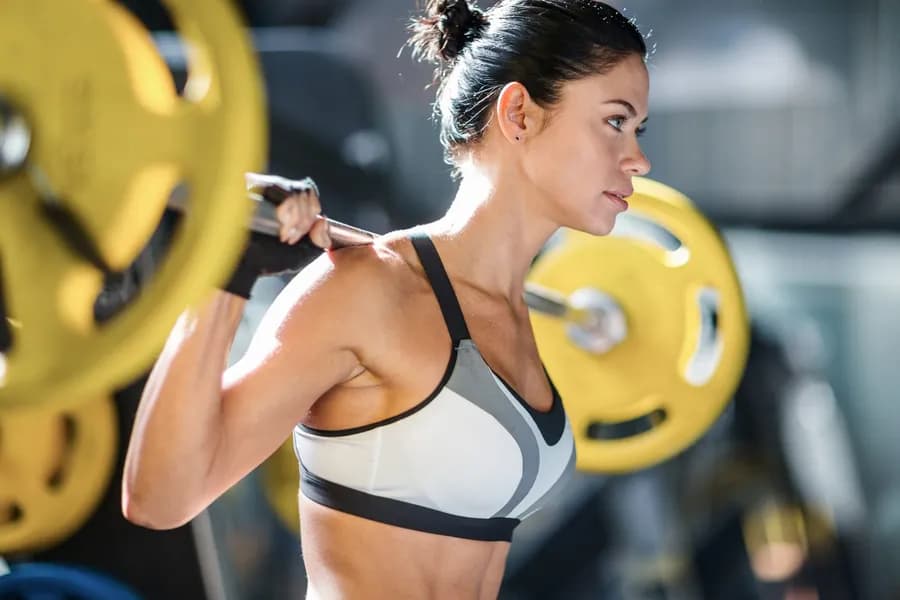
A structured chest routine builds upper-body strength and improves posture without adding bulk — visible results within four to six weeks. See the best moves to start with.
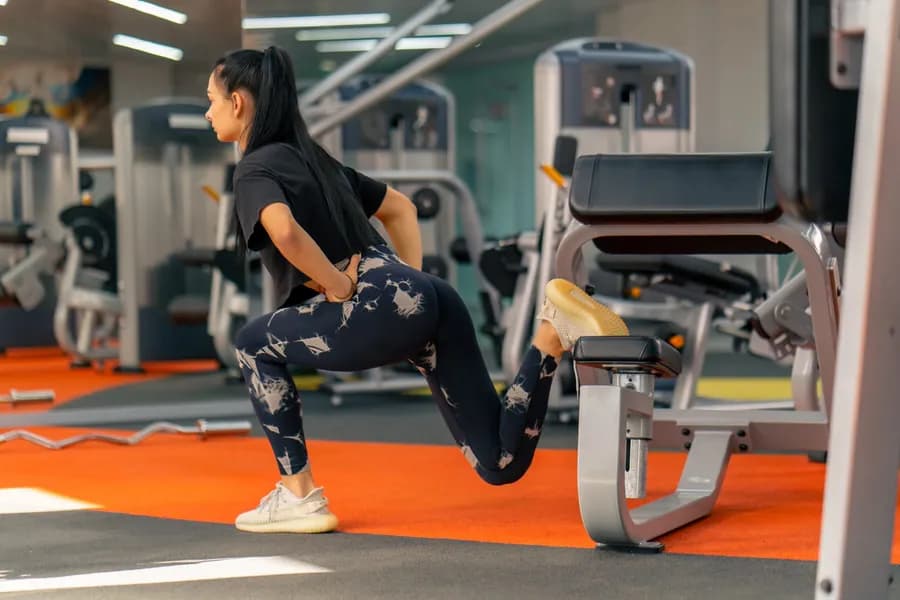
Glute Exercises for Women: Benefits, Best Moves & How to Get Started
Bridges, squats, and clamshells build lower-body strength and improve posture, using nothing more than bodyweight. See the best moves to get started.
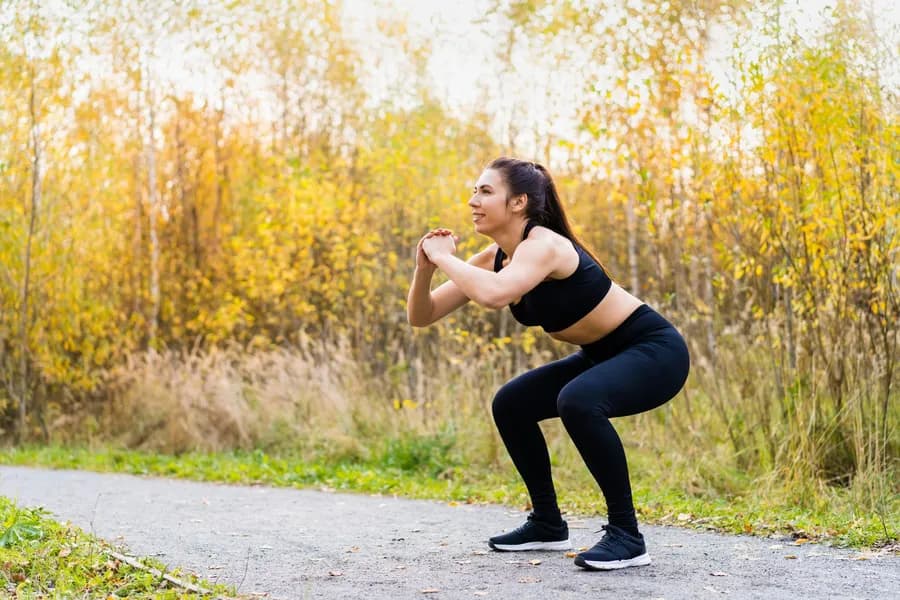
10 Benefits of Strength Training for Women
Resistance training builds lean muscle, supports fat loss, and improves bone density — all achievable from home with no equipment. See all 10 benefits.
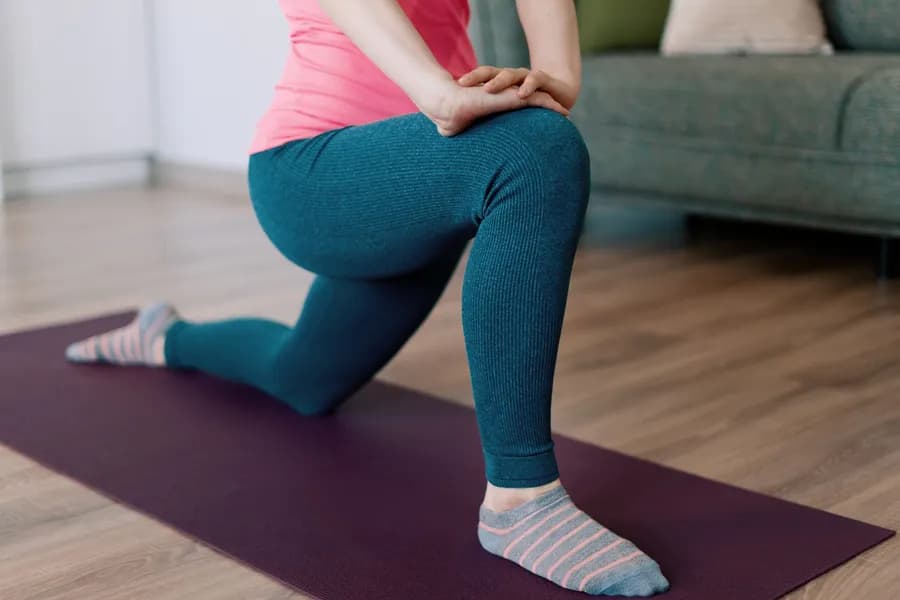
Hip Exercises for Pain: Best Moves to Feel Better at Home
Targeted hip movements strengthen the muscles around the joint and can meaningfully ease discomfort from bursitis, osteoarthritis, or impingement. See the best moves to try at home.
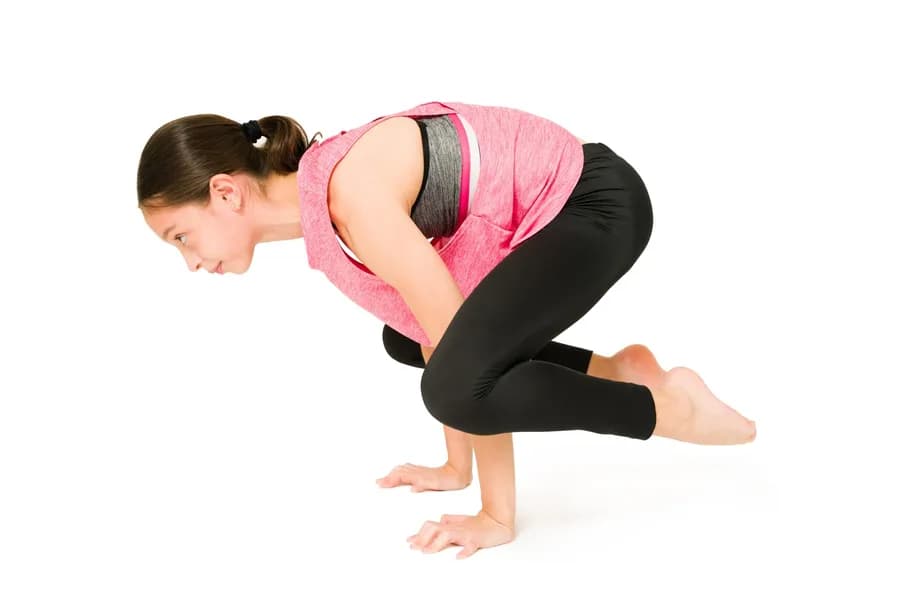
Best Exercise Routine for Beginners
Squats, push-ups, lunges, and planks done three days a week, with progressive difficulty, need no gym or equipment. See the full beginner routine.