
Chest Exercises for Women: Benefits, Best Moves & How to Get Started
A structured chest routine builds upper-body strength and improves posture without adding bulk — visible results within four to six weeks. See the best moves to start with.
Key Takeaways
- Chest muscles are involved in nearly every daily pushing movement, from doors to grocery bags.
- Doesn’t change breast size, but trained pectorals may support a firmer, lifted appearance.
- Visible results typically appear within 4-6 weeks of consistent practice.
- Push-ups are highly effective and require zero equipment to start.
- Pairing chest work with back training helps pull rounded shoulders into a neutral position.
Chest exercises for women build upper-body strength, improve posture, and support a more defined physique — without causing bulk. Whether you train at home with push-ups or at the gym with dumbbells, a structured chest routine delivers visible results within 4–6 weeks of consistent practice.
Chest exercises for women are one of the most underrated parts of a well-rounded fitness routine. Training your chest doesn’t mean you’ll bulk up — it means you’ll build the upper-body strength that supports better posture, a more defined physique, and improved functional fitness for everyday life. Whether you’re working out at home or in a gym, this guide covers everything you need to know to train your chest effectively and consistently.
6 Benefits of Chest Exercises for Women
- Builds Functional Upper-Body Strength Your chest muscles — primarily the pectoralis major and minor — are involved in almost every pushing movement you do daily: opening doors, lifting bags, or carrying groceries. Strengthening them makes these tasks noticeably easier and more comfortable over time.
- Improves Posture and Reduces Shoulder Tension Weak chest and upper-body muscles often contribute to rounded shoulders and a hunched upper back. Targeted chest training, especially when paired with back work, helps pull the shoulders into a more neutral, upright position. If you spend long hours sitting at a desk, this benefit alone is worth prioritising. Complementing your chest work with yoga for better posture can further reinforce this alignment over time.
- Supports Natural Breast Tissue Lift Chest exercises strengthen the pectoral muscles that sit beneath breast tissue. While they don’t change breast size, consistently trained pectorals may gradually support a firmer, more lifted appearance — something many women notice after a few weeks of regular practice.
- Boosts Metabolism and Supports Fat Loss Muscle tissue burns more calories at rest than fat tissue. Adding chest-focused strength work to your weekly routine helps build lean muscle mass, which over time supports a healthier metabolic rate and may gradually contribute to overall fat loss.
- Enhances Athletic and Sports Performance Whether you swim, cycle, play badminton, or do yoga, chest strength underlies most rotational and pushing movements. A stronger chest means better performance across activities — and fewer overuse injuries in the shoulders and neck.
- Builds Confidence Through Visible Progress One of the most motivating aspects of consistent chest training is how quickly women start to notice definition in the upper body. That visible progress — alongside increased strength — builds a kind of confidence that spills over into other areas of life.
How to Get Started with Chest Exercises
What You Need to Begin
You don’t need a fully equipped gym to start training your chest. Bodyweight moves like push-ups are highly effective and require zero equipment. If you want to progress further, a pair of light dumbbells (2–5 kg to start) opens up a wider range of exercises. A yoga mat and enough floor space are really all you need at home.
Understanding what strength training exercises actually involve is a great first step — it demystifies the process and helps you choose the right movements from the very beginning.
Setting Realistic Goals
Aim to train your chest 2–3 times per week with at least one rest day in between sessions. Muscles grow and strengthen during rest, not during the workout itself. Start with fewer sets (2–3 per exercise) and build gradually. Avoid the temptation to train daily in the first two weeks — it slows recovery and increases injury risk.
Focus on what you can feel and control. Slow, deliberate reps with good form will outperform fast, sloppy ones every single time.
Start with the Basics
Begin with push-ups in a modified position (knees on the floor) if a full push-up feels too challenging. Work on the mind-muscle connection — actively think about squeezing your chest as you push. Once you can complete 3 sets of 12 reps cleanly, progress to full push-ups or add light resistance.
Best Chest Exercises for Women
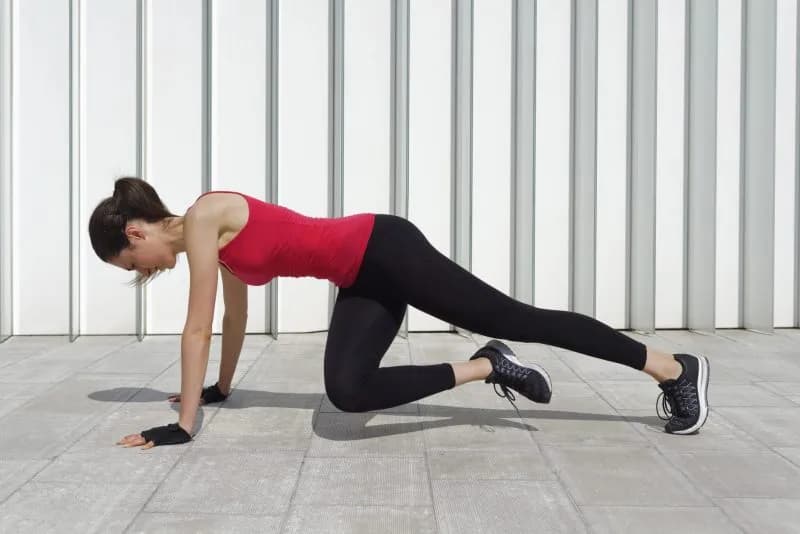
Knee Push-Up
The perfect starting point for beginners. Place your knees on the floor, hands slightly wider than shoulder-width. Lower your chest toward the floor, keeping your core engaged, then push back up. Aim for 3 sets of 10–15 reps. This builds the foundation before moving to full push-ups.
Full Push-Up
With hands shoulder-width apart and body in a straight line from head to heels, lower your chest close to the floor and press back up. This is one of the most effective chest exercises at home for women — no equipment required. Try 3 sets of 8–12 reps.
Dumbbell Chest Press (Floor or Bench)
Lie on your back with knees bent, holding a dumbbell in each hand at chest height. Press both dumbbells up until your arms are extended, then slowly lower back down. This directly targets the pectoral muscles. Start with 2–4 kg and perform 3 sets of 10–12 reps.
Dumbbell Chest Fly (Floor)
Lying flat, hold dumbbells above your chest with a slight bend in your elbows. Open your arms wide like you’re hugging a large tree, then bring them back together. The chest fly isolates the pectorals beautifully and is one of the best chest exercises for women looking to add shape and definition. Try 3 sets of 12 reps.
Incline Push-Up
Place your hands on an elevated surface — a chair, couch, or table. Perform a push-up from this inclined position. This targets the lower portion of the chest and makes the movement more accessible if full push-ups are still a work-in-progress. Aim for 3 sets of 10–15 reps.
Decline Push-Up
Place your feet on an elevated surface and hands on the floor. This shifts the emphasis to the upper chest and shoulders. It’s more challenging, so it’s best saved for once you’ve mastered the standard push-up. Try 2–3 sets of 8–10 reps.
Resistance Band Chest Press
Loop a resistance band around a fixed point at chest height, hold the ends in both hands, and press forward until your arms are extended. This mimics a cable chest press and is a great option for chest exercises at the gym or at home. Perform 3 sets of 12–15 reps.
Common Mistakes to Avoid
- Poor Form Flaring your elbows out at 90 degrees during push-ups places excessive stress on the shoulder joints. Keep your elbows at roughly a 45-degree angle to your body. For dumbbell work, never let the weight pull your arms below a comfortable range — protect your shoulder capsule by controlling the descent.
- Skipping the Warm-Up Cold pectoral and shoulder muscles are far more prone to strains. Before any chest session, spend 5 minutes doing arm circles, chest openers, and light shoulder rolls. A proper warm-up also activates the muscles you’re about to train, making each rep more effective.
- Overtraining Training your chest every day in an attempt to see faster results is one of the most common beginner mistakes. Muscle fibres need 48 hours of recovery time to repair and grow stronger. Two to three sessions per week with adequate rest will always outperform daily training in the long run. Exploring a full body workout for strength can help you see how chest training fits into a balanced weekly plan without overdoing any single muscle group.
- Inconsistency Doing 10 sessions in two weeks and then stopping for a month produces no lasting results. The real differentiator is showing up regularly over time — even when motivation dips. Structure and accountability make consistency far easier to maintain than willpower alone.
Who Should Try Chest Exercises?
- Beginners Chest training is highly beginner-friendly when started with bodyweight movements. Modified push-ups require no equipment, carry very low injury risk, and build genuine strength within weeks. If you’re brand new to fitness, this is one of the safest places to start.
- Women There’s a persistent myth that chest training makes women look bulky. In reality, women have significantly lower testosterone levels than men, which makes it physiologically difficult to develop large muscle mass through regular training. What chest exercises actually do for women is create a leaner, more defined upper body and improve posture — outcomes most women actively want. A dedicated strength training programme for women takes this further by building a structured progression plan around your specific goals.
- Older Adults After the age of 35, muscle mass begins a gradual decline. Maintaining pectoral strength helps support shoulder joint stability, reduces the risk of falls, and keeps upper-body function intact for longer. Older adults should start with the lightest resistance and focus on form before progressing. Always consult a doctor before starting a new exercise routine, particularly if you have any existing joint or cardiovascular conditions.
- Working Professionals Sitting at a desk for hours shortens and tightens the chest muscles, contributing to rounded shoulders and neck discomfort. Paradoxically, actively strengthening the chest — alongside back and shoulder work — helps restore balance and alignment. A 20-minute chest and upper-body session three times a week can make a meaningful difference in how you feel by Friday.
Build Strength with a Routine That Actually Works
Building a stronger chest — and a stronger body overall — isn’t about doing more random workouts. It’s about following a structured plan, getting consistent, and having the right guidance to progress safely. With Habuild’s beginner-friendly strength training programme, you can train effectively from home and see real progress over weeks, not months.
What You Get with Habuild’s Strong Everyday Program:
- Daily live guided strength sessions with certified trainers
- Beginner to advanced progression built into the plan
- No-equipment and home-friendly workouts
- Expert form coaching to reduce injury risk
- A live community that keeps you accountable and consistent
Start Your Chest Training Journey
Related reads: Glute Exercises for Women: Benefits, Best Moves & How to Get Started · Pelvic Floor Exercises for Women: Benefits, Techniques & How to Get Started
Push-ups and dumbbell presses lay the groundwork, but the visible upper-body strength most women are after tends to show up once training becomes a rhythm rather than an occasional effort. Instead of guessing at sets, reps, and when to progress, a structured plan can pace that growth for you. Habuild’s Strong Everyday program offers exactly that kind of guided training, built to help you progress steadily rather than start over each week.
Frequently Asked Questions
Related Articles
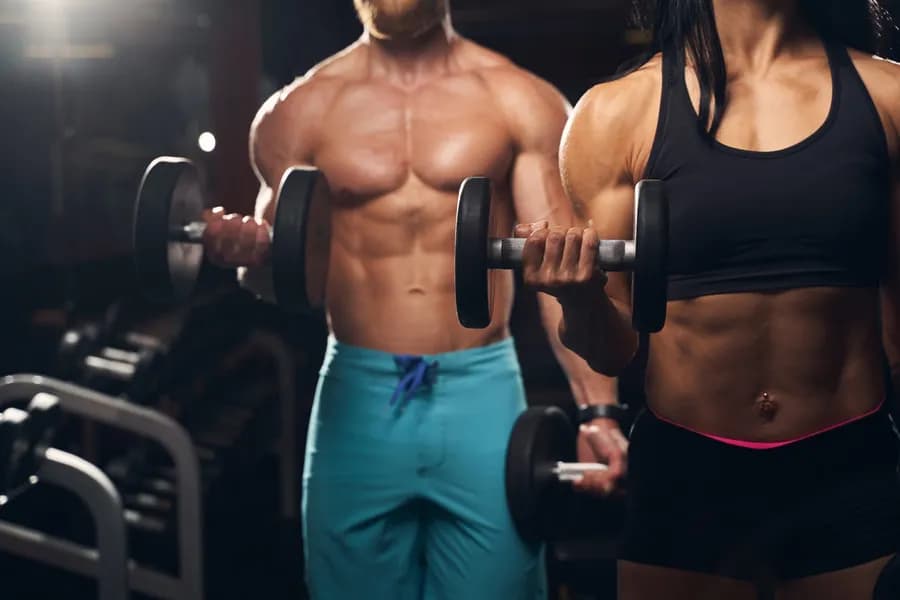
How to Build Chest Muscles at Home
A push-up progression — standard, wide-grip, incline, decline, and diamond variations — develops measurable pectoral strength within eight to twelve weeks. See the full plan.
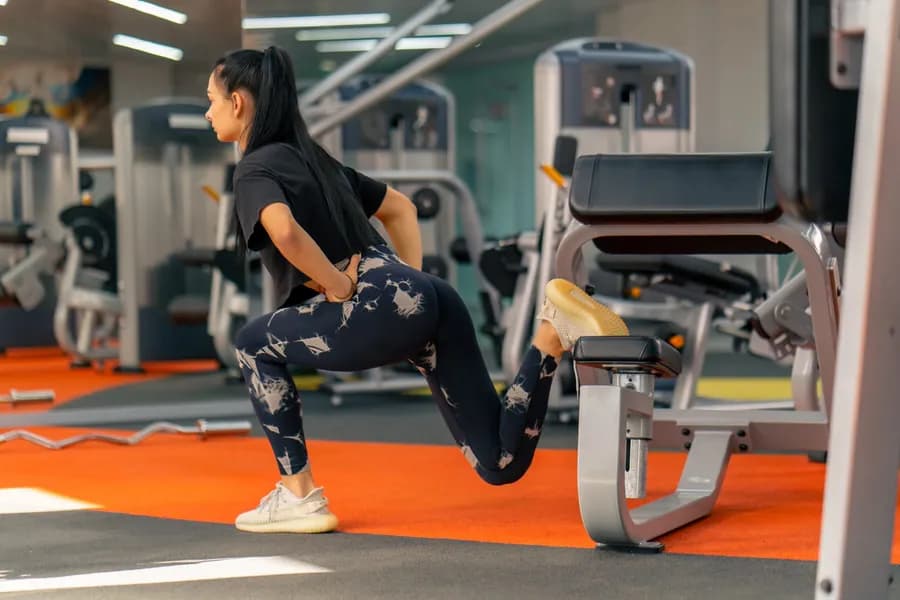
Glute Exercises for Women: Benefits, Best Moves & How to Get Started
Bridges, squats, and clamshells build lower-body strength and improve posture, using nothing more than bodyweight. See the best moves to get started.
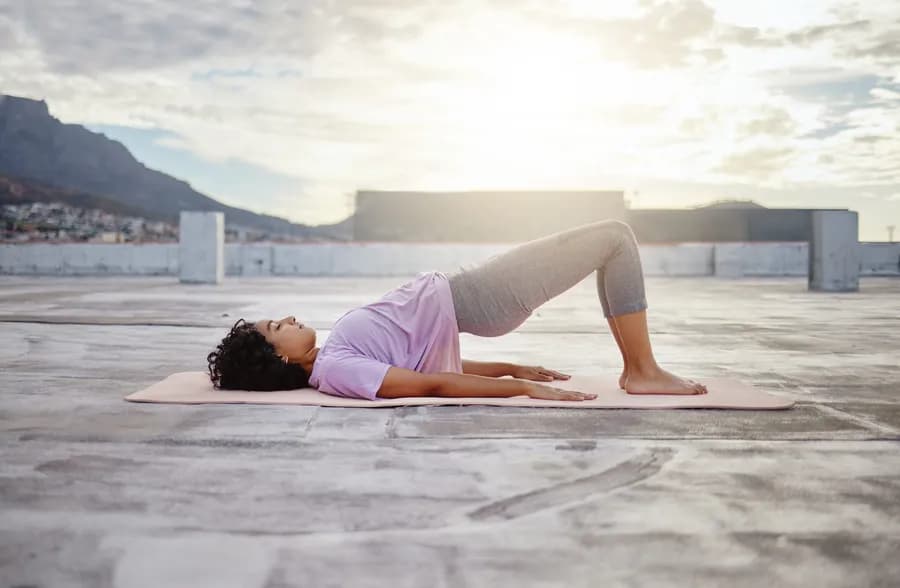
Pelvic Floor Exercises for Women: Benefits, Techniques & How to Get Started
Kegel contractions and other targeted movements strengthen the muscles supporting the bladder, bowel, and uterus — most women notice improved control within four to six weeks. See the techniques and how to start.
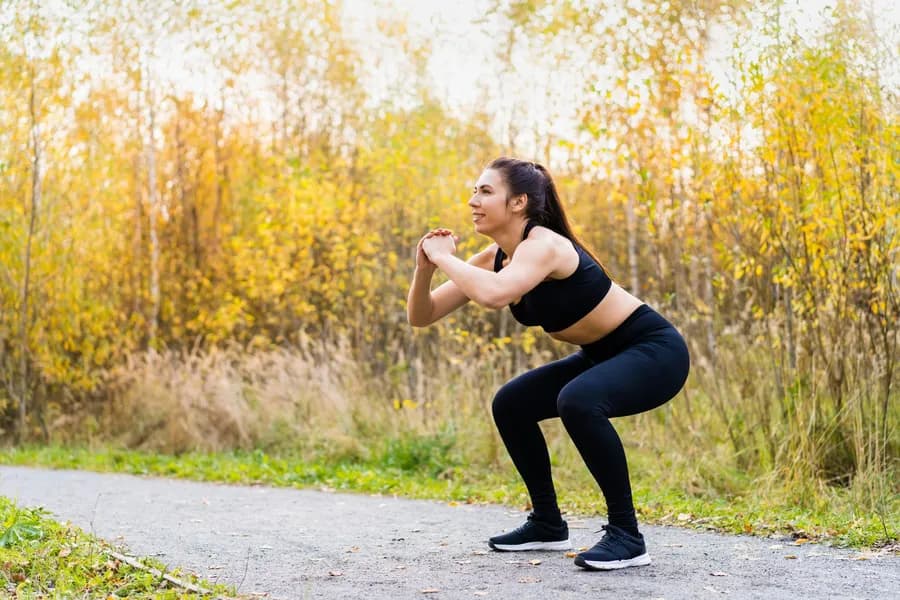
10 Benefits of Strength Training for Women
Resistance training builds lean muscle, supports fat loss, and improves bone density — all achievable from home with no equipment. See all 10 benefits.
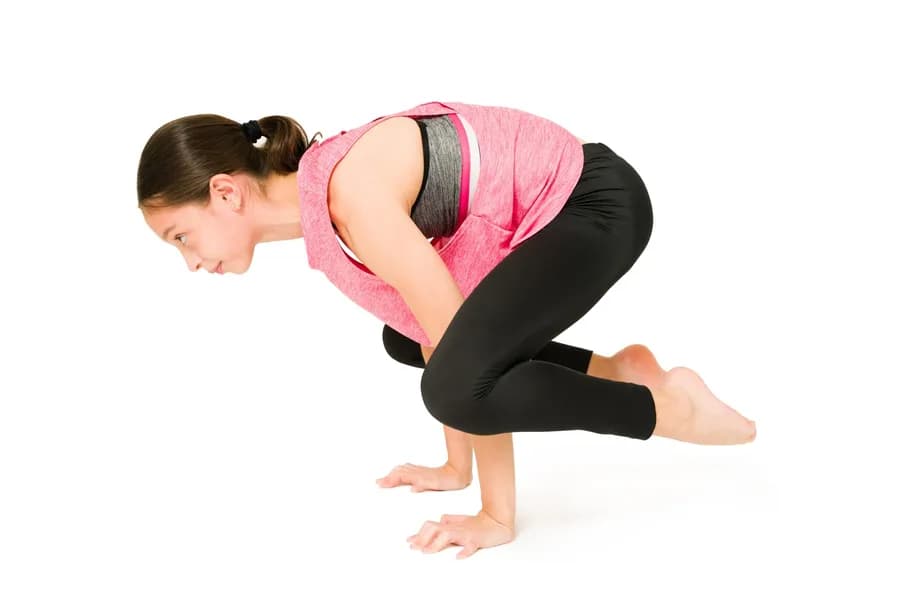
Best Exercise Routine for Beginners
Squats, push-ups, lunges, and planks done three days a week, with progressive difficulty, need no gym or equipment. See the full beginner routine.