
Rectus Abdominis: Anatomy, Function and Beginner Exercises
What the rectus abdominis is, how it works with the rest of your core, and safe beginner exercises with a simple way to progress.

Key Takeaways
- The rectus abdominis is the paired six-pack muscle that curls your trunk forward.
- It works with obliques, deep abs, back muscles, diaphragm and pelvic floor.
- Curl-ups, raised planks and heel slides suit most beginners two or three times a week.
- Progress one thing at a time: reps, hold time, plank height or exercise level.
- Crunches strengthen abs but cannot burn fat from the belly alone.
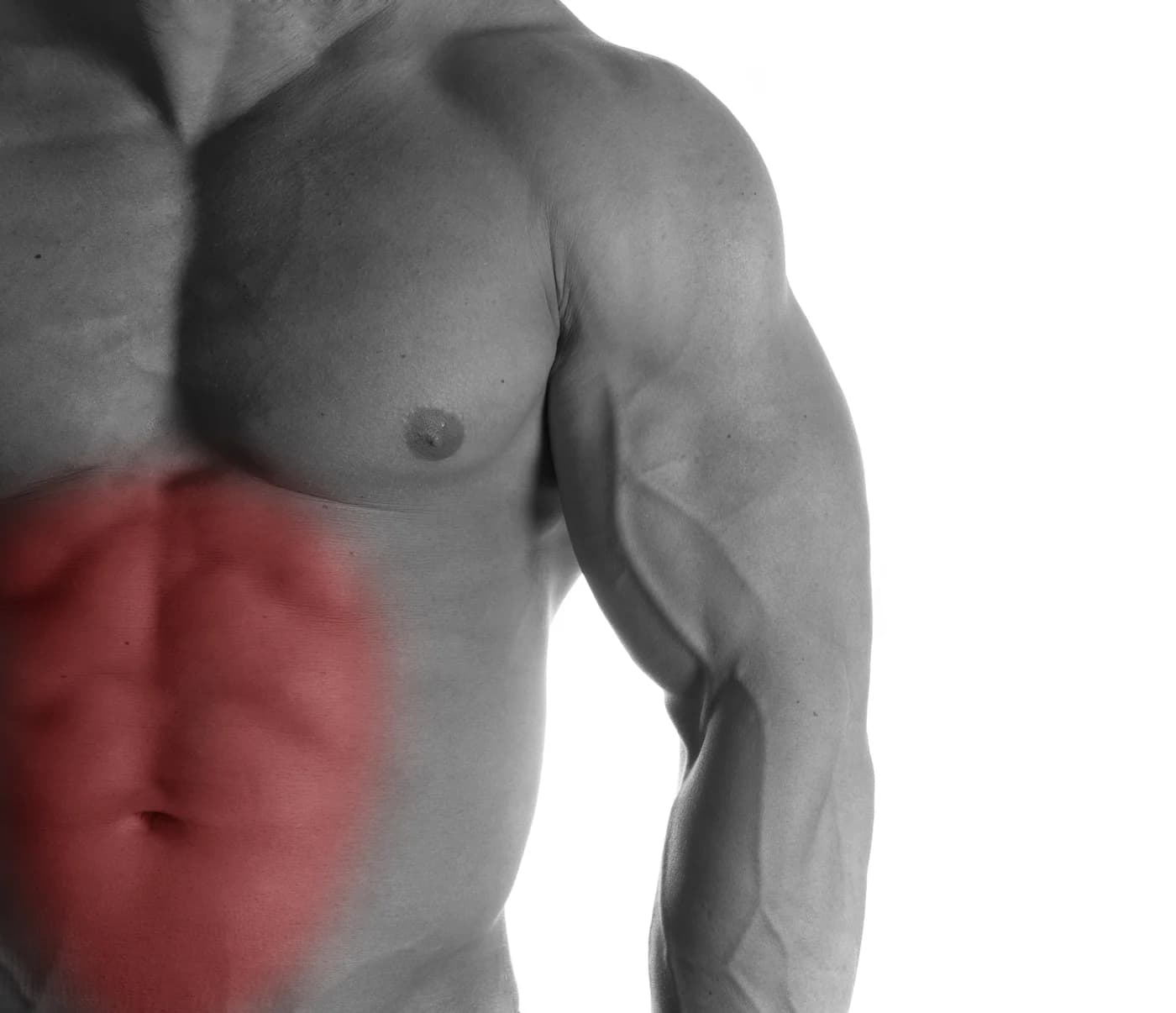
The rectus abdominis is the paired muscle that runs down the front of your abdomen, often called the six-pack muscle. It helps you curl your trunk forward and works with other muscles to control movement. You can strengthen it with a few well-chosen exercises, even if you never see visible abdominal lines. Start with movements you can do comfortably and progress as your control improves.
Where is the rectus abdominis, and what does it do?
The muscle runs vertically from the lower ribs and breastbone down to the pubic bone, with a left and right half joined in the middle by a band of connective tissue. Tendon-like bands crossing it create the "six-pack" segments seen in lean people.
Its main action is bending forward: bringing the rib cage and pelvis closer together as you curl up. It also helps control the position of the trunk and pelvis. In daily tasks such as getting out of bed, carrying bags or lifting, the abdominal wall contributes to stability and pressure control.
It is one part of your core
The obliques, the deeper transverse abdominis, back muscles, diaphragm and pelvic floor also play a part. A strong core therefore needs more than repeated crunches. Exercises that resist unwanted movement, plus general strength training, train the different jobs the trunk performs. For a wider routine, see how to strengthen abdominal muscles.
Which exercises can a beginner try?
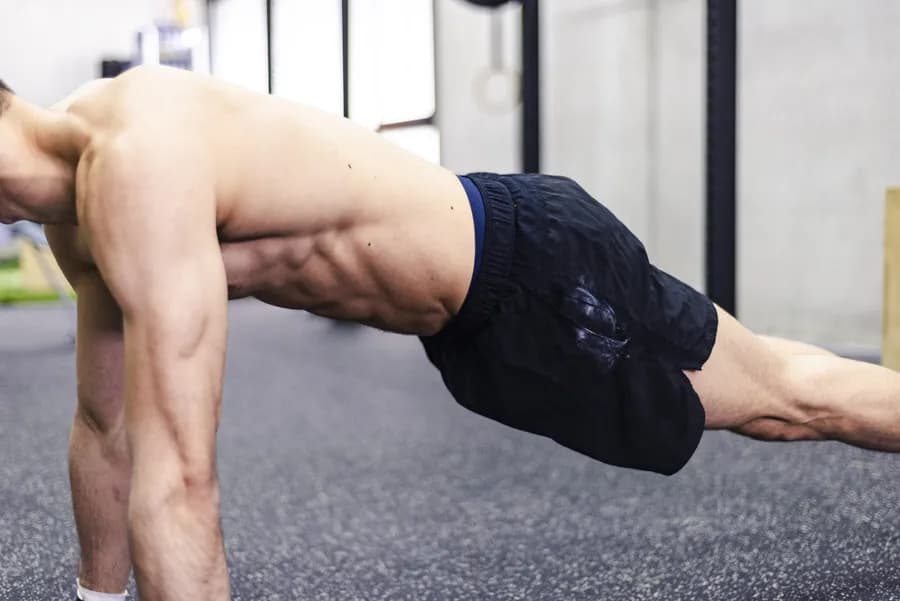
Choose movements that let you breathe and stay in control. A small, steady range is a good start. Stop for sharp pain, and make the exercise easier if your form slips early in the set.
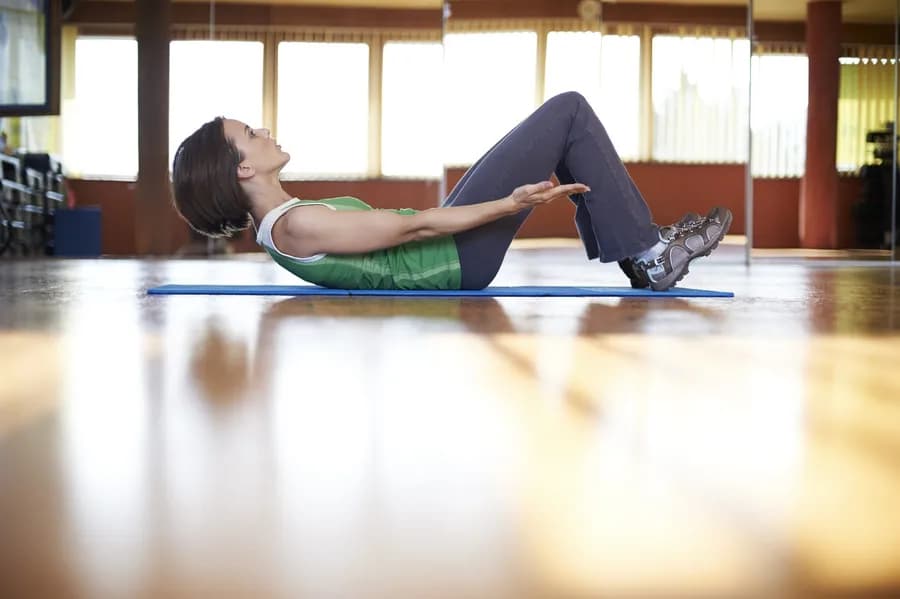
Controlled curl-up
Lie on your back with knees bent and feet flat. Fold your arms across your chest or rest your hands on your thighs. Gently tighten your abdomen and lift your head and shoulders a short distance as you breathe out, then lower slowly. Do not pull on your head or try to reach your knees. If your neck strains, reduce the range. People with osteoporosis or advice to limit spinal bending should use a different exercise.
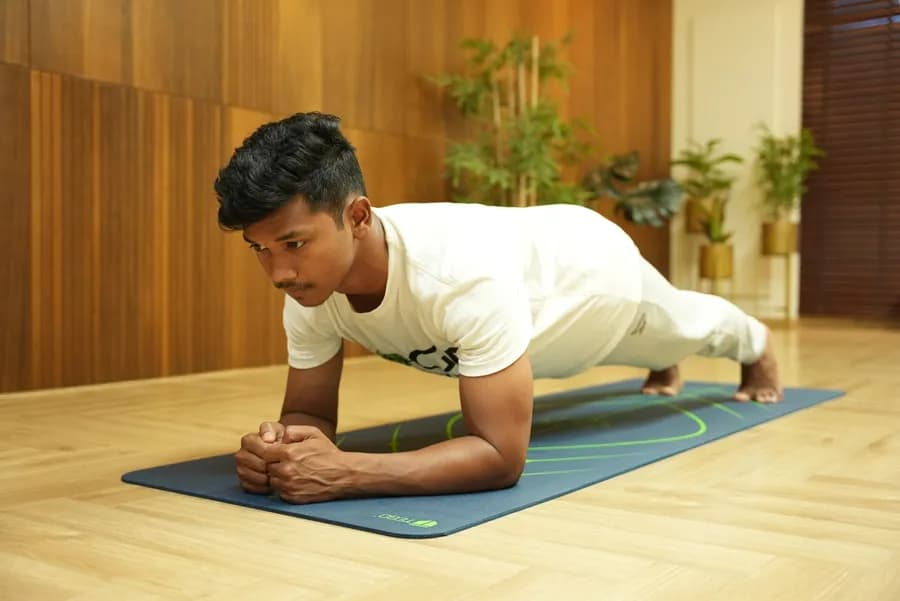
Plank against a wall or raised surface
Place your hands on a stable wall or counter and step back until your body forms a straight line. Gently brace your abdomen, breathe normally and hold briefly. A higher surface is easier; a lower one is harder. Later you can try a floor plank on knees or toes. End the hold before your lower back sags or you start holding your breath. Our guide on how to do planks covers form in detail.
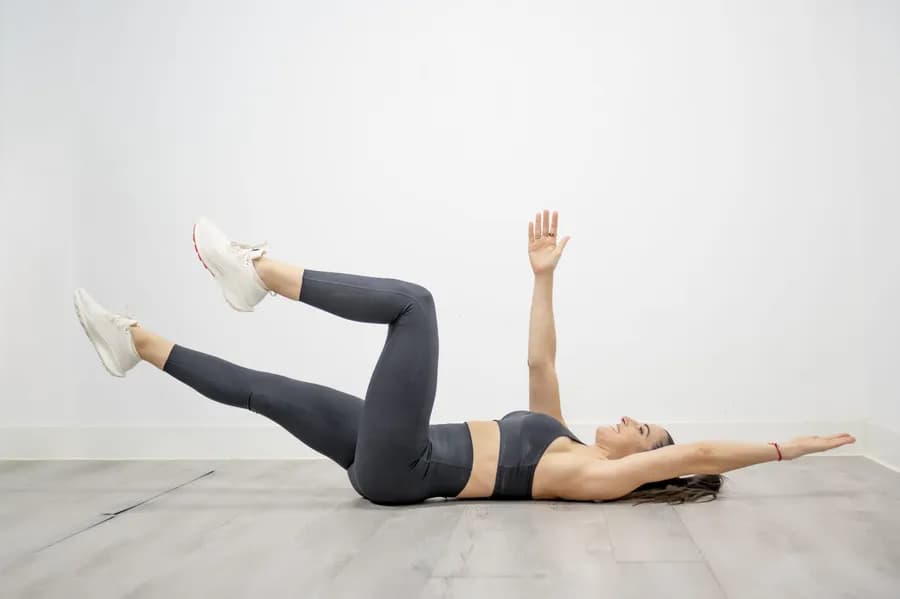
Heel slide and dead bug
Lie on your back with knees bent. Keep your trunk steady while you slowly slide one heel away, then return it and switch sides. Use a range that does not make your back arch. As control improves, move to a dead bug, moving the opposite arm and leg while the trunk stays still. Bird dogs and bridges complement this by training the back and hips.
How often should you train?
A beginner can train the abdominals two or three times a week, with recovery between harder sessions. WHO advises muscle-strengthening activity for all major muscle groups on at least two days a week for adults. Pick two or three exercises and start with one or two comfortable sets, for example a few slow curl-ups, several heel slides each side and a short raised plank.
Progress one thing at a time: add a few repetitions, extend the hold slightly, lower the plank surface or move to a harder version once the current one feels steady. Daily exhaustion is not needed. Walking, squats, rows and carries also challenge trunk control, and regular meals, enough protein and sleep support recovery.
Can these exercises give you visible abs?
They strengthen and develop the muscle, but they cannot choose where your body loses fat. Repeated crunches do not burn fat specifically from the belly. Body fat changes with your overall food intake and activity, and genetics influences both fat distribution and how the muscle looks.
When should you modify or stop?
Sharp pain, a new lump in the abdomen or pain on coughing needs assessment. After pregnancy, the two halves of the rectus abdominis can separate (diastasis recti); doming along the midline, leakage or pelvic discomfort are reasons to adjust exercises and get individual guidance. After surgery, follow your surgeon's timeline. Mild soreness after new training is common but not required for progress.
Editorial sources
Frequently Asked Questions
Related Articles
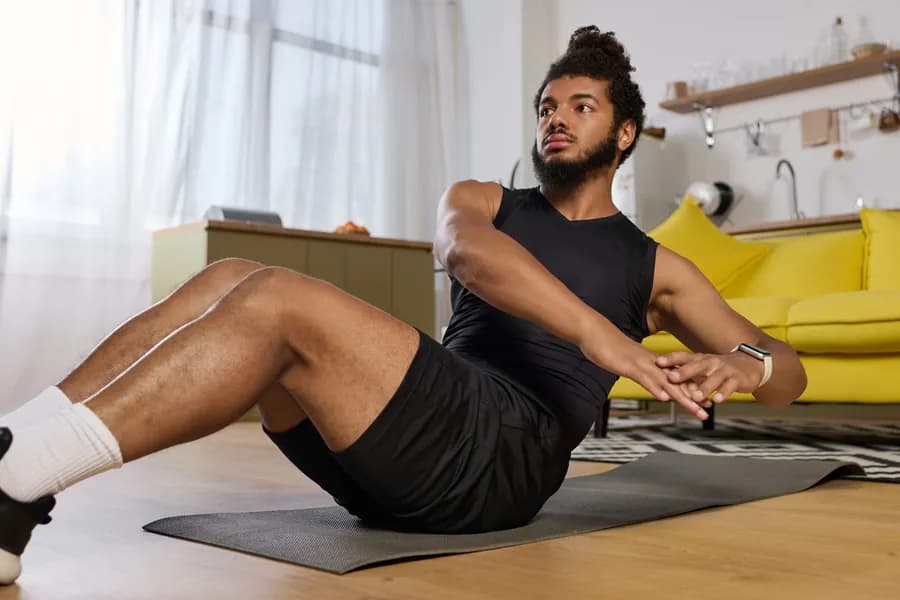
How to Strengthen Abdominal Muscles: Exercises, Tips & a Plan That Works
Training the rectus abdominis, transverse abdominis, and obliques three to four times a week with planks, dead bugs, and hollow holds shows measurable stability gains within four to six weeks. See the full plan.
What Are Abdominal Exercises? Complete Beginner’s Guide
Movements targeting the rectus abdominis, obliques, transverse abdominis, and deep stabilisers build core strength and make every other movement safer and easier. See the complete beginner's guide.
How to Do Dead Bug Exercise: Step-by-Step Guide for Deep Core Stability
This clinically supported core exercise builds transverse abdominis activation and anti-rotation strength with zero compressive load on the spine — but is almost always performed incorrectly. See the step-by-step guide.
How to Do Planks Correctly — the Complete Form Guide and Common Mistakes That Sabotage Results
Sagging hips, lifted hips, locked elbows, and held breath are the common form errors that reduce or eliminate the core benefit while increasing injury risk. See the complete form guide.